

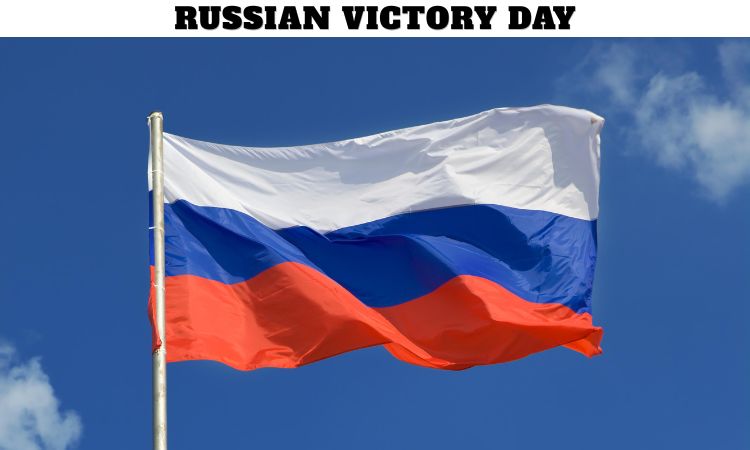
What Is Russian Victory Day and Why Is It Celebrated on May 9?
Russian Victory Day, observed annually on May 9, is one of the most significant national holidays in Russia, commemorating the victory of the Soviet Union over Nazi Germany in 1945 during World War II. This day marks the official end of what is known in Russia as the Great Patriotic War, a period of immense struggle, sacrifice, and resilience.
We recognize this day as a powerful symbol of triumph against adversity. It is not merely a historical remembrance but a deeply emotional occasion that honors the millions of soldiers and civilians who contributed to the victory. The date of May 9 reflects the time difference when Germany’s surrender became official in Moscow, making it distinct from Victory in Europe Day, celebrated on May 8 in many Western countries.
What Happened During the Great Patriotic War?
The Great Patriotic War refers to the period from 1941 to 1945, when the Soviet Union fought against Nazi Germany following the invasion known as Operation Barbarossa. This conflict was one of the most devastating in history, resulting in millions of casualties and widespread destruction.
We observe that Soviet forces played a decisive role in turning the tide of the war, particularly through key battles such as Stalingrad and Kursk. The resilience of soldiers and civilians alike became a defining feature of the Soviet war effort. Cities were destroyed, families were torn apart, yet the determination to defend the nation remained unbroken.
Why Is May 9 Considered a Symbol of Victory in Russia?
May 9 holds special importance because it marks the moment when Nazi Germany officially surrendered to Soviet forces, bringing an end to years of conflict and suffering. The announcement of victory was met with widespread celebration across the Soviet Union.
We understand that this date represents not only military success but also the restoration of peace and hope. It signifies the end of occupation, the return of soldiers, and the beginning of rebuilding efforts. For many families, it is a day of remembrance for loved ones who never returned.
How Is Russian Victory Day Celebrated Across the Country?
Victory Day is celebrated with grand parades, ceremonies, and public events throughout Russia. The most prominent celebration takes place in Moscow’s Red Square, where a large military parade showcases the country’s armed forces and historical legacy.
We see that citizens participate in various activities, including laying flowers at war memorials, attending concerts, and watching fireworks displays. One of the most meaningful traditions is the “Immortal Regiment” march, where people carry photographs of relatives who fought in the war.
The atmosphere is both solemn and celebratory, reflecting respect for the past and pride in national history.
What Role Did the Soviet Union Play in World War II?
The Soviet Union played a critical and decisive role in defeating Nazi Germany. Its military efforts on the Eastern Front were instrumental in weakening German forces and ultimately securing victory.
We recognize that the Soviet Union endured immense losses, both in terms of human lives and infrastructure. Despite these challenges, it managed to mobilize resources, strengthen its army, and launch successful counteroffensives.
The contribution of the Soviet Union remains a central aspect of World War II history and is deeply embedded in the narrative of Victory Day.
Why Is Victory Day Emotionally Significant for Russian Citizens?
Victory Day carries profound emotional significance because it is closely tied to personal and collective memories of sacrifice. Almost every family in Russia has a connection to the war, whether through relatives who served, suffered, or perished.
We understand that this day is not just about celebrating victory but also about honoring those who endured unimaginable hardships. It is a time for reflection, gratitude, and remembrance.
The emotional depth of the holiday is evident in the way people come together to pay tribute and share stories of courage.
What Are the Key Traditions Associated with Victory Day?
Victory Day is marked by several important traditions that reflect its historical and cultural significance. These include military parades, memorial services, and the wearing of the St. George ribbon, a symbol of bravery and valor.
We observe that the “Immortal Regiment” march has become one of the most powerful expressions of remembrance, allowing individuals to honor their ancestors publicly. Fireworks and concerts add a celebratory element to the day.
These traditions ensure that the legacy of the war is preserved and passed on to future generations.
How Does Victory Day Promote Historical Awareness?
Victory Day serves as a platform for educating people about the events of World War II and the sacrifices made during the conflict. Schools, museums, and media outlets play a vital role in sharing historical information and personal stories.
We believe that this awareness is essential for understanding the importance of peace and preventing future conflicts. By remembering the past society can learn valuable lessons and foster a sense of responsibility.
What Is the Global Perspective on Victory Day?
While Russian Victory Day is primarily associated with Russia and former Soviet states, it is part of a broader global recognition of the end of World War II in Europe. Different countries observe this собыा on various dates, reflecting their historical experiences.
We see that Victory Day highlights the collective effort of Allied forces in defeating Nazi Germany. It serves as a reminder of international cooperation and the أهمية of unity in overcoming challenges.
Why Should Victory Day Continue to Be Celebrated in Modern Times?
Celebrating Victory Day remains important because it preserves the memory of a defining moment in history. It honors the sacrifices of those who fought and ensures that their legacy is not forgotten.
We recognize that in a rapidly changing world, such commemorations provide a sense of continuity and identity. They remind us of the قيم of courage, resilience, and unity.
Victory Day is not just about the past; it is a reflection of enduring human strength and the pursuit of peace.
Frequently Asked Questions (FAQs)
1. What is Russian Victory Day?
Russian Victory Day is a national holiday on May 9 commemorating the Soviet Union’s victory over Nazi Germany in 1945.
2. Why is Victory Day celebrated on May 9 instead of May 8?
Due to the time difference, the German surrender became official on May 9 in Moscow.
3. What is the Great Patriotic War?
It refers to the period of World War II from 1941 to 1945, when the Soviet Union fought Nazi Germany.
4. How is Victory Day celebrated in Russia?
It is celebrated with parades, ceremonies, fireworks, and remembrance events.
5. What is the Immortal Regiment march?
It is a procession where people carry photos of relatives who participated in the war.
6. Why is Victory Day important for Russians?
It honors the sacrifices of millions and celebrates the end of a devastating war.
7. What symbol is associated with Victory Day?
The St. George ribbon is a widely recognized symbol of bravery and remembrance.
8. Is Victory Day celebrated outside Russia?
Yes, it is observed in several former Soviet states and recognized globally as part of WWII remembrance.
9. What role did the Soviet Union play in WWII?
It played a decisive role in defeating Nazi Germany, especially on the Eastern Front.
10. Why is Victory Day still relevant today?
It preserves historical memory and promotes awareness of the significance.