

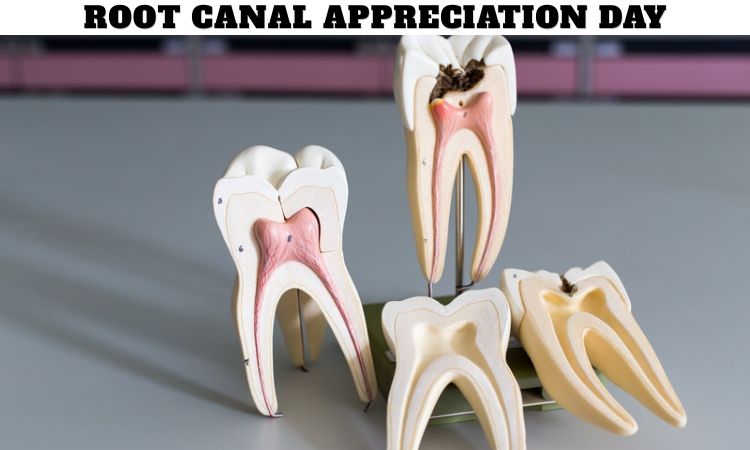
What Is Root Canal Appreciation Day, and Why Is It Celebrated on May 13?
Root Canal Appreciation Day, observed annually on May 13, is a unique health awareness observance dedicated to recognizing the importance of root canal treatment in modern dentistry. While many people associate root canals with anxiety or discomfort, this day highlights the life-changing benefits of the procedure and the role it plays in saving natural teeth.
The observance encourages people to better understand dental health, appreciate advancements in dental technology, and overcome common fears related to root canal procedures. Dentists and dental organizations often use the day to educate the public about oral hygiene, preventive care, and the importance of timely dental treatment.
Root canal therapy has helped millions of patients preserve damaged or infected teeth while reducing pain and preventing serious oral health complications. Root Canal Appreciation Day celebrates not only the treatment itself but also the dental professionals who perform these procedures and improve patients’ quality of life.
What Is a Root Canal Procedure?
A root canal is a dental treatment used to repair and save a tooth that has become infected, damaged, or severely decayed. The procedure focuses on removing infected pulp tissue from inside the tooth while preserving the outer tooth structure.
Inside every tooth is soft tissue known as pulp, which contains nerves and blood vessels. When bacteria enter the pulp due to deep decay, cracks, or injury, infection can occur and cause severe pain.
During a root canal procedure, the dentist or endodontist:
- Removes infected pulp tissue
- Cleans and disinfects the root canals
- Fills the canals with a protective material
- Seals the tooth to prevent future infection
In many cases, a dental crown is later placed over the tooth to restore strength and appearance.
Modern root canal treatments are highly effective and designed to relieve pain rather than cause it.
Why Are Root Canals Important for Dental Health?
Root canals are important because they allow patients to save natural teeth instead of having them extracted. Preserving natural teeth helps maintain proper chewing function, jaw alignment, and overall oral health.
Without treatment, an infected tooth can lead to:
- Severe pain
- Swelling and abscesses
- Bone loss around the tooth
- Spread of infection
- Difficulty eating and speaking
Root canal therapy prevents these complications while restoring oral comfort and functionality.
Saving natural teeth is generally preferred over extraction because it avoids additional treatments such as bridges, implants, or dentures. Root canals help preserve the natural structure of the mouth and support long-term dental health.
How Did Root Canal Treatments Develop Over Time?
The history of root canal therapy dates back centuries, although early dental treatments were far less advanced than modern procedures. Ancient civilizations attempted to relieve tooth pain using primitive tools and herbal remedies.
Significant progress occurred during the 19th and 20th centuries as dental science improved understanding of tooth anatomy and infection control. Advances in anesthesia, sterilization, X-ray imaging, and dental instruments transformed root canal treatment into a safe and reliable procedure.
Modern technology now allows dentists to perform root canals with greater precision and patient comfort. Digital imaging, rotary instruments, and advanced disinfecting methods have significantly improved treatment success rates.
The evolution of root canal therapy demonstrates how medical innovation can dramatically improve patient care and quality of life.
Why Do People Fear Root Canal Procedures?
Many people fear root canals because of outdated misconceptions and stories associated with older dental practices. Historically, dental treatments were less comfortable due to limited anesthesia and technology.
Today, however, root canal procedures are much more advanced and are often comparable to receiving a routine dental filling.
Common reasons for fear include:
- Anxiety about dental procedures
- Fear of pain
- Negative stories from others
- Fear of needles or dental instruments
- Concerns about recovery time
In reality, modern root canals are performed with local anesthesia and advanced techniques that minimize discomfort. Most patients experience relief from the severe pain caused by tooth infections after treatment.
Educational awareness plays an important role in reducing fear and encouraging people to seek timely dental care.
What Symptoms Indicate a Root Canal May Be Needed?
Certain dental symptoms may indicate infection or damage that requires root canal treatment. Recognizing these warning signs early can help prevent more serious complications.
Common symptoms include:
- Persistent tooth pain
- Sensitivity to hot or cold foods
- Swollen gums
- Tooth discoloration
- Pain while chewing
- Pimple-like swelling on the gums
- Cracked or injured teeth
In some cases, infection may not produce noticeable pain until it becomes severe. Regular dental checkups help detect problems before they worsen.
Dentists use X-rays and clinical examinations to determine whether root canal treatment is necessary.
How Does Modern Technology Improve Root Canal Treatments?
Modern dental technology has greatly improved the effectiveness, safety, and comfort of root canal procedures. Advanced equipment allows dentists to diagnose and treat infections more accurately.
Technological improvements include:
- Digital X-rays for detailed imaging
- Rotary instruments for precise cleaning
- Electronic apex locators
- High-powered microscopes
- Improved anesthetics
- Advanced sterilization methods
These innovations reduce treatment time, improve accuracy, and enhance patient comfort.
Modern root canal therapy also has a high success rate, with many treated teeth lasting for decades or even a lifetime when properly maintained.
Why Is Saving Natural Teeth Better Than Extraction?
Saving natural teeth whenever possible is generally considered the best option for maintaining oral health. Natural teeth support normal chewing, speech, and jaw function more effectively than artificial replacements.
When a tooth is extracted, surrounding teeth may shift, leading to alignment issues and bite problems. Missing teeth can also contribute to bone loss in the jaw over time.
Root canal therapy preserves the natural tooth structure while eliminating infection. Benefits of saving natural teeth include:
- Maintaining proper chewing ability
- Preserving natural appearance
- Preventing neighboring teeth from shifting
- Supporting jawbone health
- Avoiding more extensive dental procedures
For these reasons, dentists often recommend root canal treatment instead of extraction whenever possible.
How Can People Prevent the Need for Root Canals?
Preventive dental care is the best way to reduce the likelihood of needing root canal treatment. Maintaining healthy teeth and gums helps prevent decay and infection from reaching the tooth pulp.
Important preventive habits include:
- Brushing teeth twice daily
- Flossing regularly
- Visiting the dentist for routine checkups
- Limiting sugary foods and drinks
- Treating cavities early
- Wearing mouthguards during sports
- Avoiding habits that damage teeth
Early treatment of dental problems is especially important because untreated cavities and cracks can progress into serious infections requiring root canals.
Good oral hygiene supports long-term dental health and reduces the risk of complex procedures.
What Happens After a Root Canal Procedure?
After a root canal, patients typically experience mild soreness or sensitivity for a few days, which can usually be managed with over-the-counter pain relievers.
Most patients return to normal activities shortly after treatment. Dentists may recommend avoiding hard foods temporarily until the tooth is fully restored with a crown or permanent filling.
Post-treatment care often includes:
- Maintaining oral hygiene
- Attending follow-up appointments
- Avoiding excessive pressure on the treated tooth
- Monitoring for unusual symptoms
With proper care, root canal-treated teeth can remain functional and healthy for many years.
The procedure often provides significant relief from the severe pain caused by dental infection.
How Do Dentists and Endodontists Contribute to Oral Health?
Dentists and endodontists play essential roles in protecting oral health and preserving natural teeth. Endodontists specialize in diagnosing and treating problems involving the dental pulp and root canals.
These professionals use advanced training and technology to perform complex procedures that help patients avoid tooth loss and serious infections.
Their contributions include:
- Diagnosing dental infections
- Performing root canal therapy
- Managing dental pain
- Restoring oral function
- Educating patients about preventive care
Root Canal Appreciation Day also serves as an opportunity to recognize the expertise and dedication of dental professionals who improve patients’ health and comfort.
Why Does Root Canal Appreciation Day Continue to Matter?
Root Canal Appreciation Day remains important because it helps educate the public about modern dentistry and encourages better oral health awareness. Many people delay dental treatment due to fear or misinformation, which can lead to worsening infections and unnecessary tooth loss.
The observance promotes understanding of how root canals relieve pain, preserve teeth, and improve quality of life. It also highlights the importance of preventive dental care and regular checkups.
As dental technology continues advancing, root canal procedures become even safer, faster, and more effective. The day reminds people that modern dentistry offers solutions that protect both oral health and overall well-being.
By encouraging awareness and appreciation, Root Canal Appreciation Day helps reduce stigma and fear surrounding one of dentistry’s most valuable procedures.
Frequently Asked Questions (FAQs)
1. When is Root Canal Appreciation Day celebrated?
Root Canal Appreciation Day is celebrated every year on May 13.
2. What is a root canal procedure?
A root canal is a dental treatment that removes infected pulp from inside a tooth to save it from extraction.
3. Why are root canals important?
Root canals help preserve natural teeth and prevent serious dental infections.
4. Are modern root canals painful?
Modern root canal procedures are usually performed with anesthesia and are much less painful than many people expect.
5. What symptoms may indicate the need for a root canal?
Symptoms include tooth pain, swelling, sensitivity, and discomfort while chewing.
6. Who performs root canal treatments?
Dentists and endodontists perform root canal procedures.
7. How long does a root canal-treated tooth last?
With proper care, a treated tooth can last for many years or even a lifetime.
8. Can root canals prevent tooth extraction?
Yes, root canal therapy is designed to save natural teeth whenever possible.
9. How can people avoid needing root canals?
Good oral hygiene and regular dental checkups help prevent infections that may require root canals.
10. Why is Root Canal Appreciation Day important?
The day promotes awareness about oral health and educates people about the benefits of modern root canal treatment.