

Why Is Republic Day Italy Celebrated on June 2?
Republic Day Italy, known in Italian as Festa della Repubblica, is celebrated every year on June 2 to commemorate the historic referendum held in 1946 when the Italian people voted to abolish the monarchy and establish a republic. It is one of the most important national holidays in Italy and symbolizes democracy, freedom, and the will of the people.
The day marks a turning point in Italian history. Following the end of World War II, citizens were given the opportunity to decide the future form of government. For the first time in the nation’s history, both men and women participated in a nationwide vote. The majority chose a republican system, leading to the end of the monarchy and the birth of the modern Italian Republic.
Republic Day is celebrated throughout Italy with ceremonies, military parades, cultural events, and patriotic displays that honor the nation’s democratic foundations and national unity.
What Happened During the 1946 Referendum?
The referendum of June 2 and 3, 1946, was one of the most significant events in Italian history. After years of political instability, dictatorship, and war, Italians were asked to decide whether the country should remain a monarchy under the House of Savoy or become a republic.
The vote followed the collapse of the Fascist regime and the end of World War II. Citizens wanted a new beginning and an opportunity to shape the country’s future through democratic means.
When the results were announced, approximately 54 percent of voters supported the establishment of a republic, while about 46 percent favored retaining the monarchy. As a result, King Umberto II left the country, and Italy officially became a republic.
The referendum represented a peaceful democratic transition and demonstrated the power of citizens to determine the direction of their nation.
Why Is Republic Day Important to Italians?
Republic Day is important because it celebrates the principles of democracy, civic participation, and national sovereignty. The holiday reminds Italians of the importance of voting, constitutional government, and democratic institutions.
For many citizens, June 2 represents the triumph of popular choice over inherited rule. It highlights the nation’s commitment to freedom, equality, and political participation.
The holiday also serves as an opportunity to reflect on Italy’s progress since 1946. Over the decades, the country has developed strong democratic institutions and played an important role in European and international affairs.
Republic Day encourages Italians to appreciate the rights and responsibilities that come with citizenship while honoring those who contributed to building the republic.
How Did the End of the Monarchy Change Italy?
The abolition of the monarchy brought significant political and social changes to Italy. Following the referendum, the country began creating a new democratic system based on constitutional principles.
A Constituent Assembly was elected to draft a new constitution, which came into effect on January 1, 1948. The constitution established a parliamentary republic, protected civil liberties, and defined the structure of government.
The transition allowed Italy to rebuild after the devastation of war and laid the foundation for economic growth and modernization. Democratic institutions replaced monarchical authority, giving elected representatives greater responsibility for governing the nation.
The new republic also strengthened citizen participation and expanded opportunities for political engagement across society.
How Is Republic Day Celebrated Across Italy?
Republic Day is celebrated with numerous events and ceremonies throughout the country. The largest and most visible celebrations take place in Rome, the nation’s capital.
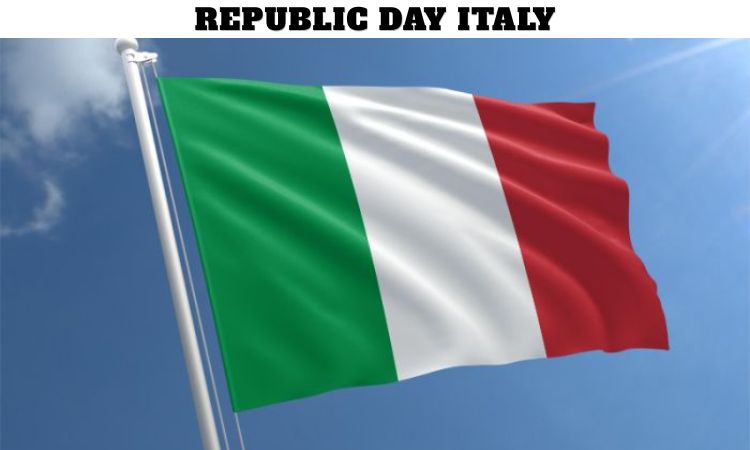
Government officials, military leaders, and citizens participate in commemorative activities that honor the founding of the republic. Public buildings, streets, and monuments are often decorated with the colors of the Italian flag: green, white, and red.
Many communities organize concerts, exhibitions, educational programs, and cultural performances. Local governments may host special events that highlight regional traditions while emphasizing national unity.
Families and friends often gather during the holiday, making it both a patriotic observance and a social occasion.
What Happens During the Military Parade in Rome?
One of the most famous Republic Day traditions is the military parade held in Rome. The parade takes place along the historic Via dei Fori Imperiali and attracts large crowds of spectators.
Members of the armed forces, police units, emergency services, and other official organizations participate in the event. The parade showcases Italy’s commitment to national defense, public service, and civic responsibility.
The President of Italy plays a central role in the celebrations and often attends official ceremonies throughout the day. Government leaders, diplomats, and international guests may also participate.
The parade symbolizes national pride and honors the men and women who serve the country in various capacities.
Why Is the Tomb of the Unknown Soldier Significant on Republic Day?
An important part of Republic Day celebrations is the ceremony at the Tomb of the Unknown Soldier in Rome. Located at the Altare della Patria, also known as the Victor Emmanuel II Monument, the tomb honors unidentified soldiers who died in service to Italy.
The President of Italy traditionally lays a wreath at the monument as a sign of respect and remembrance. This solemn ceremony reflects the nation’s gratitude toward those who sacrificed their lives for the country.
The observance connects the values of the republic with the sacrifices made throughout Italian history. It reminds citizens that freedom and democracy often require courage and dedication.
The ceremony is widely regarded as one of the most meaningful moments of Republic Day.
How Does Republic Day Reflect Italian National Identity?
Republic Day plays a vital role in strengthening Italian national identity. The holiday celebrates a shared historical achievement that united citizens from different regions and backgrounds.
Italy is known for its rich cultural diversity, with distinct regional traditions, dialects, and customs. Republic Day provides an opportunity for people across the country to come together under common democratic values.
The observance emphasizes unity, citizenship, and respect for constitutional principles. Schools, universities, and public institutions often organize activities that help people better understand the nation’s history and political development.
By celebrating the republic, Italians reaffirm their commitment to the ideals that shape modern society.
What Role Do Education and History Play in Republic Day Celebrations?
Education is an important aspect of Republic Day. Schools and educational institutions frequently use the occasion to teach students about the referendum, the constitution, and the development of democracy in Italy.
Teachers may organize discussions, presentations, and projects that explore the historical events leading to the creation of the republic. Students learn about the significance of civic participation and the responsibilities associated with citizenship.
Museums, cultural centers, and historical organizations also contribute by hosting exhibitions and public programs. These initiatives help preserve historical memory and encourage future generations to appreciate democratic values.
Understanding the past enables citizens to make informed decisions and actively participate in society.
Why Does Republic Day Italy Remain Relevant Today?
Republic Day remains relevant because it commemorates principles that continue to shape Italian society. Democracy, freedom, equality before the law, and civic participation are values that remain essential in the modern world.
The holiday encourages citizens to reflect on the achievements of previous generations while considering the challenges facing contemporary society. It highlights the importance of maintaining strong democratic institutions and protecting constitutional rights.
Republic Day also serves as a reminder that meaningful change can be achieved through peaceful participation and collective decision-making. The 1946 referendum demonstrated the power of democratic processes and the importance of respecting the voice of the people.
As Italy continues to evolve, Republic Day remains a symbol of national unity, democratic progress, and civic responsibility. Each June 2, Italians celebrate not only a historical event but also the enduring values that define the republic and inspire future generations.
Frequently Asked Questions (FAQs)
1. What is Republic Day Italy?
Republic Day Italy, or Festa della Repubblica, is the national holiday celebrating the establishment of the Italian Republic on June 2, 1946.
2. When is Republic Day celebrated in Italy?
Republic Day is celebrated annually on June 2.
3. Why is June 2 important in Italian history?
On June 2, 1946, Italians voted in a referendum to abolish the monarchy and establish a republic.
4. What was the result of the 1946 referendum?
A majority of Italian voters chose a republican form of government over the monarchy.
5. Who could vote in the referendum?
The referendum was significant because it was one of the first national elections in which Italian women could vote.
6. How is Republic Day celebrated?
Celebrations include military parades, official ceremonies, cultural events, concerts, and patriotic displays.
7. Where is the main Republic Day celebration held?
The largest celebrations take place in Rome, Italy’s capital city.
8. What is the role of the President of Italy on Republic Day?
The President participates in official ceremonies, including laying a wreath at the Tomb of the Unknown Soldier.
9. Is Republic Day a public holiday in Italy?
Yes, Republic Day is an official national public holiday throughout Italy.
10. Why is Republic Day still important today?
It celebrates democracy, constitutional government, national unity, and the values that define modern Italy.