

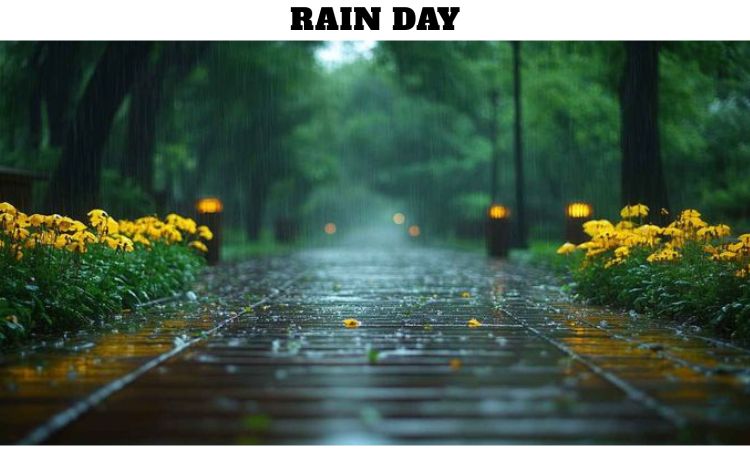
What Is Rain Day?
Rain Day is observed every year on July 29 as a unique celebration dedicated to one of nature’s most essential gifts—rain. Unlike many awareness days that are officially recognized around the world, Rain Day began as a local tradition and has gradually gained wider attention among weather enthusiasts, nature lovers, educators, photographers, and environmental advocates. The day encourages people to appreciate the beauty of rainfall while recognizing its critical role in sustaining life on Earth.
Rain is much more than water falling from the sky. It nourishes crops, replenishes rivers and lakes, supports forests, provides drinking water, and helps regulate Earth’s climate. Throughout history, civilizations have celebrated rainfall because it has always been closely connected with survival, prosperity, and agriculture. Rain Day offers an opportunity to pause and reflect on how dependent humanity remains on natural weather patterns despite advances in technology.
Whether it arrives as a gentle drizzle, a refreshing summer shower, or a dramatic thunderstorm, rain creates memorable experiences. For some, it brings peaceful moments with a warm cup of tea by the window. For others, it means dancing outdoors, photographing landscapes, or enjoying the refreshing scent of wet soil. Rain Day celebrates all these experiences while reminding us to value water as one of our planet’s most precious resources.
Why Is Rain Day Celebrated on July 29?
The observance of Rain Day on July 29 traces its origins to Waynesburg, Pennsylvania, where the community has celebrated the day for decades. According to local tradition, the date became associated with rain because of an unusual weather pattern that repeatedly brought rainfall on July 29 over many years. Residents noticed the recurring phenomenon and eventually turned it into an annual celebration.
As the tradition grew, Rain Day became a local festival featuring community events, weather discussions, entertainment, and educational activities. Although there is no scientific guarantee that it will rain every July 29, the tradition continues to attract attention from meteorologists and visitors who enjoy following the annual weather forecast.
Today, many people outside Pennsylvania also observe Rain Day simply as an opportunity to appreciate rainfall, learn about the water cycle, and promote water conservation. The day has evolved beyond its local origins into a broader celebration of nature and environmental awareness.
How Did Rain Day Begin?
Rain Day began with local observations that suggested July 29 frequently experienced rainfall in Waynesburg. Rather than viewing rainy weather as an inconvenience, residents embraced it as something unique and worth celebrating. What started as a curious local tradition gradually became a recognized annual event featuring parades, contests, educational programs, and community gatherings.
Over time, weather experts and historians became interested in the tradition because it highlighted how closely communities observe and interact with their local climate. Rain Day demonstrates that weather can become an important part of regional identity and cultural heritage.
The celebration also reminds us that natural events often inspire traditions, festivals, and stories that connect generations. By celebrating rain instead of avoiding it, the community transformed an ordinary weather event into a meaningful annual occasion.
Why Is Rain Important for Life on Earth?
Rain is one of the most important components of Earth’s natural systems. Freshwater from rainfall replenishes groundwater, fills reservoirs, nourishes forests, and sustains wildlife. Without regular rainfall, ecosystems would struggle to survive, and food production would become increasingly difficult.
Agriculture depends heavily on rainfall. Crops require adequate moisture to grow, and farmers around the world closely monitor weather forecasts throughout the growing season. Although irrigation systems help in many regions, natural rainfall remains one of the most efficient and sustainable sources of water for farming.
Rain also helps maintain rivers, wetlands, and lakes that support countless species of plants and animals. Forest ecosystems rely on seasonal rainfall to maintain biodiversity and healthy vegetation. Even urban environments benefit from rainfall because it cools temperatures, washes dust from the air, and supports parks and green spaces.
Beyond its practical importance, rain contributes to the emotional and aesthetic beauty of nature. Rainfall creates waterfalls, fills ponds, nourishes colorful flowers, and transforms landscapes into lush environments that inspire artists, writers, and photographers.
What Happens During the Water Cycle?
Rain is part of the continuous water cycle that keeps water moving around our planet. The process begins when sunlight heats oceans, lakes, rivers, and other water bodies, causing water to evaporate into the atmosphere. Plants also release moisture through transpiration, adding more water vapor to the air.
As warm air rises, it cools and forms tiny droplets around microscopic particles, creating clouds. When these droplets combine and become heavy enough, gravity causes them to fall as precipitation. Depending on atmospheric conditions, precipitation may occur as rain, snow, sleet, or hail.
After rainfall reaches the ground, some water flows into rivers and lakes, some soaks into the soil to replenish groundwater, and some eventually evaporates again, continuing the endless cycle that supports life across the globe.
Understanding the water cycle helps people appreciate why conserving freshwater and protecting natural ecosystems are essential for maintaining Earth’s environmental balance.
How Can You Celebrate Rain Day?
Rain Day can be celebrated in many enjoyable and meaningful ways regardless of whether it actually rains on July 29. If the weather cooperates, taking a peaceful walk with proper rain gear allows people to experience the calming atmosphere that rainfall often creates. Listening to raindrops, watching clouds move across the sky, and observing nature respond to moisture can be surprisingly relaxing.
Photography enthusiasts often use Rain Day to capture reflections in puddles, rain-covered flowers, colorful umbrellas, and dramatic cloud formations. Artists may paint rainy landscapes, while writers find inspiration in the peaceful mood that rainy weather creates.
Families can celebrate by reading books about weather, watching educational documentaries, or conducting simple science experiments that demonstrate the water cycle. Teachers often use Rain Day to introduce students to meteorology, climate science, and environmental conservation.
Many people also celebrate by planting trees, conserving water at home, supporting local environmental organizations, or learning more about sustainable water management. These activities extend the meaning of Rain Day beyond simple enjoyment and encourage long-term environmental responsibility.
What Are Some Interesting Facts About Rain?
Rain has fascinated scientists and storytellers for centuries. Some deserts may go years without measurable rainfall, while tropical rainforests receive several meters of rain annually. The amount and timing of rainfall vary dramatically depending on geography, climate, elevation, and seasonal weather patterns.
The familiar earthy smell after rain is called petrichor. This pleasant scent occurs when rainwater releases compounds from soil and plants into the air. Many people associate petrichor with relaxation and freshness after a dry period.
Raindrops are not actually shaped like teardrops. Small raindrops are nearly spherical because surface tension keeps them round. Larger drops flatten as they fall due to air resistance, creating shapes more similar to hamburger buns than tears.
Lightning and thunder often accompany heavy rainstorms because electrical charges build within storm clouds. Thunder is simply the sound created when lightning rapidly heats the surrounding air, causing it to expand explosively.
Rain also helps clean the atmosphere by removing dust, pollen, smoke, and certain pollutants, contributing to fresher air after storms.
Why Does Rain Inspire Art, Literature, and Music?
Rain has long been a powerful symbol in human creativity. Writers often use rainfall to represent renewal, hope, sadness, transformation, or emotional reflection. Poets describe rain as both comforting and mysterious, while novelists use storms to create dramatic settings or symbolize important changes in a story.
Painters frequently capture rainy streets, reflections, misty landscapes, and stormy skies because these scenes create unique lighting and atmosphere. Musicians have also written countless songs inspired by rain, using it as a metaphor for love, memories, healing, or personal growth.
Different cultures around the world have developed myths, legends, and traditions connected to rainfall. In agricultural societies, rain has historically symbolized prosperity and abundance because successful harvests depended on timely precipitation.
The universal presence of rain in daily life makes it a shared experience that transcends cultures, languages, and generations.
How Does Climate Change Affect Rainfall?
Climate change is influencing rainfall patterns in many parts of the world. Rising global temperatures increase evaporation, allowing the atmosphere to hold more moisture. This can contribute to heavier rainfall events in some regions while causing prolonged droughts in others.
Scientists continue studying how changing weather patterns affect agriculture, freshwater supplies, flood risks, and ecosystems. Communities worldwide are adapting through improved water management, sustainable infrastructure, flood preparedness, and conservation efforts.
Rain Day serves as a reminder that protecting the environment is closely connected to preserving reliable water resources. Responsible water use, reducing pollution, conserving forests, and supporting climate resilience all contribute to healthier ecosystems capable of sustaining future generations.
Why Should Everyone Appreciate Rain?
Rain often arrives without much notice, yet its impact is enormous. Every drop contributes to rivers, lakes, crops, forests, wildlife habitats, and drinking water supplies that sustain billions of people. Although rainy weather may sometimes interrupt outdoor plans, it also provides countless benefits that are easy to overlook.
Rain Day encourages gratitude for the natural processes that make life possible. By celebrating rainfall, people become more aware of the importance of conserving water, protecting the environment, and respecting Earth’s delicate climate systems.
Whether celebrated through outdoor activities, educational experiences, photography, or quiet reflection, Rain Day reminds us that nature deserves appreciation every day of the year. The next time rain begins to fall, it can serve as a reminder of the remarkable journey each drop has taken and the essential role it plays in sustaining life across our planet.
Frequently Asked Questions (FAQs)
1. When is Rain Day celebrated?
Rain Day is celebrated every year on July 29.
2. Where did Rain Day originate?
Rain Day originated in Waynesburg, Pennsylvania, where a local tradition associated July 29 with frequent rainfall.
3. Is Rain Day an official international holiday?
No, Rain Day is not an official international holiday, but it is widely appreciated by weather enthusiasts and nature lovers.
4. Why is rain important?
Rain provides freshwater, supports agriculture, replenishes rivers and lakes, maintains ecosystems, and sustains life on Earth.
5. What is petrichor?
Petrichor is the pleasant earthy smell produced when rain falls on dry soil.
6. How can I celebrate Rain Day?
You can celebrate by enjoying nature, learning about weather, practicing water conservation, taking photographs, planting trees, or reading about the water cycle.
7. What is the water cycle?
The water cycle is the continuous movement of water through evaporation, condensation, precipitation, and collection.
8. Does it always rain on July 29?
No. Although Rain Day began because of a local tradition, rainfall on July 29 is not guaranteed.
9. How does rain benefit the environment?
Rain nourishes plants, replenishes groundwater, cleans the air, supports wildlife, and maintains healthy ecosystems.
10. Why is Rain Day significant today?
Rain Day highlights the importance of freshwater resources, environmental conservation, climate awareness, and appreciation for nature.