

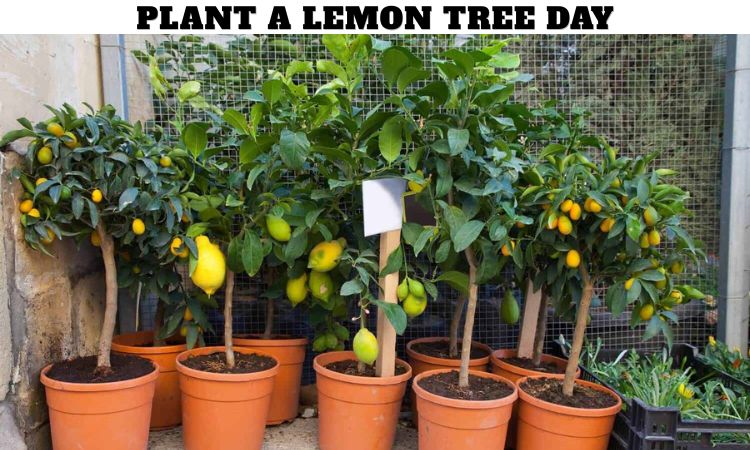
What Is Plant a Lemon Tree Day, and Why Is It Celebrated on May 16?
Plant a Lemon Tree Day, celebrated every year on May 16, encourages people to plant lemon trees and promote greener living through sustainable gardening. This special observance highlights the environmental, nutritional, and emotional benefits of growing citrus trees at home. Lemon trees symbolize freshness, vitality, prosperity, and natural wellness, making them one of the most rewarding fruit trees for home gardeners.
The day also inspires communities to reconnect with nature and appreciate the value of planting fruit-bearing trees that provide long-term benefits. Whether planted in a backyard, balcony container, or community garden, lemon trees contribute to cleaner air, healthier lifestyles, and more beautiful surroundings.
Lemon trees are loved for their fragrant blossoms, glossy green leaves, and bright yellow fruits that can be used in cooking, beverages, cleaning solutions, and home remedies. Plant a Lemon Tree Day reminds us that even a single tree can make a lasting difference for future generations.
Why Should We Plant a Lemon Tree at Home?
Planting a lemon tree offers practical, environmental, and health-related advantages. A healthy lemon tree can produce fruit for decades with proper care, making it a valuable addition to any home garden.
One of the biggest benefits is access to fresh, organic lemons year-round. Homegrown lemons are free from harmful chemicals and preservatives commonly found in commercially produced fruits. They also taste fresher and more flavorful.
Lemon trees improve air quality by absorbing carbon dioxide and releasing oxygen. Their blossoms emit a pleasant citrus fragrance that naturally refreshes outdoor spaces. Additionally, these trees attract pollinators such as bees and butterflies, helping maintain ecological balance.
Another reason to plant a lemon tree is its ornamental beauty. The combination of green foliage, white flowers, and yellow fruits creates a visually attractive landscape feature. Even small apartment dwellers can grow dwarf lemon varieties in pots.
Economically, growing lemons at home reduces grocery expenses over time. A mature tree can produce hundreds of lemons annually, providing an abundant supply for cooking, baking, beverages, and household uses.
How Can We Choose the Best Lemon Tree Variety?
Selecting the right lemon tree variety is essential for successful growth. Different varieties thrive under different climate conditions and available spaces.
Some popular lemon tree varieties include:
- Eureka Lemon – Known for year-round fruit production and classic sour flavor.
- Lisbon Lemon – Highly productive and resistant to heat and wind.
- Meyer Lemon – A sweeter hybrid lemon ideal for container gardening.
- Ponderosa Lemon – Produces unusually large fruits with thick skin.
- Dwarf Lemon Trees – Perfect for patios, balconies, and indoor spaces.
When choosing a variety, we should consider local climate, available sunlight, soil quality, and gardening space. Dwarf varieties are excellent for beginners because they require less maintenance and adapt well to containers.
Healthy nursery plants with strong stems, vibrant leaves, and disease-free roots should always be preferred for planting.
What Is the Best Way to Plant a Lemon Tree?
Planting a lemon tree correctly increases its chances of thriving for many years. Lemon trees prefer warm temperatures, abundant sunlight, and well-draining soil.
The planting process begins with selecting a sunny location that receives at least six to eight hours of sunlight daily. Soil should be slightly acidic and rich in organic matter.
To plant a lemon tree:
- Dig a hole twice as wide as the root ball.
- Loosen the surrounding soil for proper root expansion.
- Place the tree carefully in the hole without burying the trunk too deeply.
- Fill the hole with nutrient-rich soil.
- Water thoroughly after planting.
- Add mulch around the base to retain moisture and prevent weeds.
For container planting, large pots with drainage holes are essential. Citrus-specific potting mix helps maintain proper soil conditions.
Regular watering during the early growth stage is important, but overwatering must be avoided because lemon trees dislike soggy roots.
How Do We Care for a Lemon Tree Throughout the Year?
Lemon tree care involves consistent watering, pruning, fertilization, and pest management. Proper maintenance ensures healthy growth and abundant fruit production.
Watering should be deep but infrequent. Young trees require more frequent watering, while mature trees tolerate mild drought. Soil should dry slightly between watering sessions.
Fertilizing every few months with a citrus fertilizer provides essential nutrients such as nitrogen, potassium, and magnesium. Nutrient deficiencies can lead to yellow leaves and reduced fruit production.
Pruning helps improve airflow, remove dead branches, and maintain shape. Light pruning during late winter or early spring encourages healthy new growth.
Protection from frost is crucial in colder climates. Covering trees during freezing temperatures or moving potted trees indoors prevents damage.
Monitoring for common pests like aphids, scale insects, spider mites, and citrus leaf miners is also necessary. Organic neem oil sprays and proper sanitation help control infestations naturally.
Why Are Lemon Trees Important for the Environment?
Lemon trees contribute positively to the environment in several ways. Like all trees, they absorb carbon dioxide and release oxygen, helping combat air pollution and climate change.
Their flowers support pollinator populations, including bees and butterflies, which are essential for food production and biodiversity. Planting citrus trees in urban areas also reduces heat and improves local air quality.
Fruit trees help minimize food transportation needs by encouraging local food production. Home gardening reduces packaging waste associated with supermarket produce and promotes sustainable living practices.
Additionally, lemon trees prevent soil erosion through their root systems and enhance the visual appeal of residential communities.
Plant a Lemon Tree Day encourages environmental responsibility by motivating individuals and families to participate in greener lifestyle choices.
How Can Lemons Be Used in Everyday Life?
Lemons are among the most versatile fruits in the world. Their juice, peel, and pulp serve countless culinary, medicinal, and household purposes.
In cooking, lemons add freshness to salads, marinades, seafood, desserts, and beverages. Lemon juice is commonly used in lemonade, tea, smoothies, and detox drinks.
Lemons are rich in vitamin C, antioxidants, and plant compounds that support immune health and digestion. Many people consume warm lemon water daily as part of their wellness routine.
The peel contains aromatic oils widely used in perfumes, candles, and natural cleaning products. Lemon juice also acts as a natural stain remover and disinfectant for household cleaning.
In traditional remedies, lemons are used to soothe sore throats, improve hydration, and support skin health. Their antibacterial properties make them useful in homemade cleaning solutions.
Growing a lemon tree at home ensures a constant supply of this incredibly useful fruit.
What Are the Common Problems Faced While Growing Lemon Trees?
Although lemon trees are relatively easy to grow, they can face certain challenges that affect their health and productivity.
Yellow leaves often indicate overwatering, poor drainage, or nutrient deficiencies. Adjusting watering schedules and using balanced fertilizer usually resolves this issue.
Fruit drop may occur due to temperature stress, irregular watering, or insufficient nutrients. Maintaining consistent care helps stabilize fruit production.
Pests such as aphids and spider mites can damage leaves and stunt growth. Natural pest control methods and regular inspections reduce infestations effectively.
Root rot is another common problem caused by excessive moisture. Planting in well-draining soil is essential to prevent fungal diseases.
Cold temperatures pose a serious threat to lemon trees. Frost damage can kill young plants, making winter protection necessary in colder regions.
Despite these challenges, proper care and timely maintenance allow lemon trees to thrive successfully.
How Can Families Celebrate Plant a Lemon Tree Day?
Plant a Lemon Tree Day offers many meaningful ways for families and communities to participate in environmental activities.
Families can plant lemon trees together in gardens, schools, parks, or community spaces. Gardening activities help children learn responsibility, sustainability, and appreciation for nature.
People can also celebrate by gifting lemon saplings to friends and relatives. A fruit tree is a thoughtful and long-lasting present that continues giving benefits for years.
Hosting gardening workshops, sharing lemon-based recipes, or organizing eco-friendly campaigns are other excellent ways to mark the occasion.
Many individuals use the day to start home gardening projects or improve existing green spaces. Even planting a small potted lemon tree on a balcony supports the spirit of the celebration.
Social awareness about tree planting and sustainable living can inspire larger environmental action within communities.
What Makes Lemon Trees a Symbol of Health and Prosperity?
Throughout history, lemon trees have symbolized freshness, purification, abundance, and vitality. Their bright fruits represent positivity and energy in many cultures around the world.
Lemons are associated with cleanliness and healing because of their refreshing scent and antibacterial properties. In traditional practices, citrus fruits are often linked to prosperity and good fortune.
The evergreen nature of lemon trees symbolizes resilience and continuous growth. Their ability to produce fruit repeatedly throughout the year reflects abundance and sustainability.
Planting a lemon tree serves as a long-term investment in health, nutrition, and environmental well-being. It represents hope for a greener and healthier future.
Why Should Plant a Lemon Tree Day Matter to Everyone?
Plant a Lemon Tree Day is more than a gardening celebration. It is a reminder that small environmental actions can create lasting positive change.
Planting a lemon tree promotes healthier living, supports biodiversity, beautifies surroundings, and encourages sustainable food practices. It strengthens our connection with nature while providing practical daily benefits.
As urbanization increases and green spaces decline, planting fruit trees becomes increasingly important for ecological balance and future generations. Lemon trees are accessible, productive, and rewarding, making them ideal for both experienced gardeners and beginners.
Celebrating Plant a Lemon Tree Day on May 16 encourages people worldwide to contribute to a greener planet one tree at a time.
Frequently Asked Questions (FAQs)
1. What is Plant a Lemon Tree Day?
Plant a Lemon Tree Day is an annual observance celebrated on May 16 that encourages people to plant lemon trees and promote environmental awareness.
2. Why are lemon trees popular for home gardening?
Lemon trees are easy to grow, visually attractive, and produce useful fruits for cooking, beverages, and health benefits.
3. Which lemon tree variety is best for beginners?
Meyer lemon trees are considered ideal for beginners because they adapt well to containers and produce sweeter fruits.
4. How much sunlight does a lemon tree need?
Lemon trees generally require six to eight hours of direct sunlight daily.
5. Can lemon trees grow indoors?
Yes, dwarf lemon tree varieties can grow indoors near sunny windows or under grow lights.
6. How often should lemon trees be watered?
Lemon trees should be watered deeply when the top layer of soil becomes dry.
7. What fertilizer is best for lemon trees?
Citrus-specific fertilizers rich in nitrogen and micronutrients are best for lemon tree growth.
8. How long does it take for a lemon tree to produce fruit?
Most lemon trees begin producing fruit within three to five years after planting.
9. What are common lemon tree pests?
Common pests include aphids, spider mites, citrus leaf miners, and scale insects.
10. Why is planting fruit trees important for the environment?
Fruit trees improve air quality, support pollinators, reduce carbon emissions, and encourage sustainable food production.