

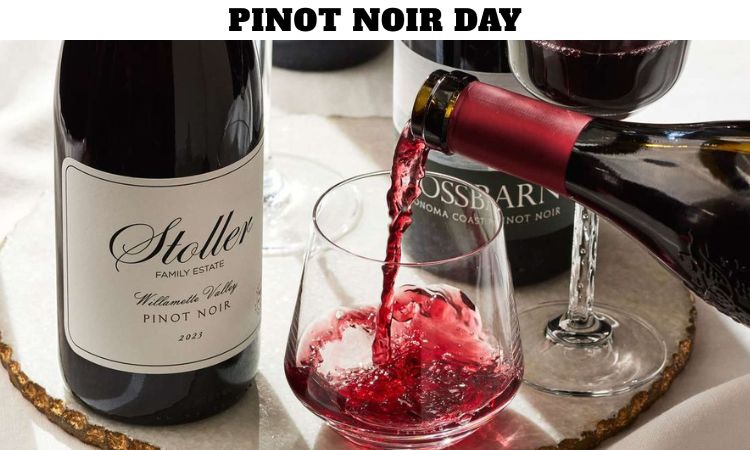
What Is Pinot Noir Day?
Pinot Noir Day is celebrated annually on August 18 as a day for wine lovers to appreciate one of the world’s most famous and distinctive grape varieties. Pinot Noir is known for producing elegant red wines with a wide range of aromas and flavors, from cherries and strawberries to earthy, spicy, and floral notes.
Unlike some bold red wines, Pinot Noir is generally recognized for its lighter body, refreshing acidity, silky texture, and delicate character. It can be both approachable and remarkably complex, making it popular among beginners and experienced wine enthusiasts alike.
August 18 offers an opportunity to learn more about Pinot Noir, explore different styles, pair it with food, visit a vineyard or winery, or simply enjoy a glass responsibly with friends and family.
Why Is Pinot Noir Considered a Special Wine?
Pinot Noir is special because the grape can express the characteristics of the place where it is grown. Soil, climate, vineyard conditions, winemaking techniques, and aging can all influence the final wine.
The grape itself has relatively thin skins compared with varieties such as Cabernet Sauvignon. This contributes to Pinot Noir’s typically lighter color and softer tannin structure. However, its delicate appearance should not be mistaken for a lack of complexity.
A good Pinot Noir can offer layers of fruit, flowers, herbs, spices, earth, and subtle savory characteristics. With age, some Pinot Noir wines can develop additional aromas and flavors that make them particularly interesting to collectors and wine enthusiasts.
Its balance between fruitiness, acidity, tannins, and aroma is one of the reasons Pinot Noir has earned such a strong reputation around the world.
How Did Pinot Noir Become Famous?
Pinot Noir has a long history associated particularly with France, where it became closely connected with Burgundy. The grape has been cultivated in the region for centuries and has played a central role in the development of some of the world’s most respected red wines.
Burgundy helped establish Pinot Noir’s reputation for expressing differences between vineyards and locations. Over time, the grape spread to other wine-producing regions, where winemakers began experimenting with their own climates, soils, and techniques.
Today, Pinot Noir is grown in countries across Europe, North America, South America, Australia, and New Zealand. Each region can produce wines with distinctive characteristics.
Its international popularity has made Pinot Noir one of the most recognizable grape varieties in the world.
Where Is Pinot Noir Grown?
Pinot Noir is grown in many wine-producing countries, but several regions are particularly well known for the grape.
Burgundy, France remains one of the most famous Pinot Noir regions. Wines from Burgundy can range from fresh and fruity expressions to highly complex and age-worthy wines.
Oregon, United States, especially the Willamette Valley, is also strongly associated with Pinot Noir. The region’s cool climate is well suited to the grape and has helped establish Oregon as an important Pinot Noir destination.
California produces Pinot Noir in areas where cooler coastal conditions provide favorable growing environments.
New Zealand has also developed a strong reputation for Pinot Noir, particularly in regions such as Central Otago and Marlborough.
Other notable producers include Australia, Germany, Chile, Argentina, and parts of Switzerland and Italy.
What Does Pinot Noir Taste Like?
Pinot Noir can taste quite different depending on where it is grown and how it is produced. However, many examples share some common characteristics.
Young Pinot Noir often features flavors of cherry, raspberry, strawberry, cranberry, and other red fruits. Some wines may also display floral aromas such as violet or rose.
As the wine develops, earthy, mushroom-like, herbal, spicy, smoky, or savory notes may become more noticeable. Oak aging can introduce additional impressions such as vanilla, toast, baking spices, or subtle woody aromas.
One of Pinot Noir’s defining characteristics is its acidity. This acidity gives the wine freshness and makes it particularly versatile with food.
The tannins are generally softer than those found in many fuller-bodied red wines, contributing to Pinot Noir’s smooth and elegant texture.
Why Is Pinot Noir Sometimes Difficult to Grow?
Pinot Noir has a reputation for being a challenging grape for growers. It tends to perform best in relatively specific conditions and can be sensitive to changes in climate and vineyard conditions.
Its thin skins can make the grape more vulnerable to certain vineyard problems, while its early ripening can create challenges depending on the region.
The grape can also respond strongly to differences in soil, temperature, sunlight, rainfall, and vineyard location. This sensitivity is part of what makes Pinot Noir fascinating, but it also makes growing it successfully more demanding.
For winemakers, producing high-quality Pinot Noir requires careful attention from the vineyard through fermentation, maturation, and bottling.
How Should You Celebrate Pinot Noir Day?
There are plenty of ways to celebrate Pinot Noir Day without making the occasion complicated.
One simple option is to enjoy a responsibly served glass of Pinot Noir while learning about the grape. You could compare wines from different regions and see how their aromas and flavors differ.
A wine tasting at home can also be a fun activity. Choose two or three Pinot Noir wines from different regions and taste them side by side. Pay attention to color, aroma, acidity, fruit flavors, texture, and finish.
Another idea is to prepare a meal specifically designed to complement Pinot Noir. Invite friends or family members and turn the evening into a casual food-and-wine experience.
If you live near a wine-producing area, visiting a winery or vineyard can make the celebration even more memorable.
For those who do not drink alcohol, Pinot Noir Day can still be celebrated by learning about winemaking, exploring grape-growing regions, preparing a grape-themed meal, or choosing a non-alcoholic red wine alternative.
What Foods Pair Well With Pinot Noir?
Pinot Noir is often considered one of the more food-friendly red wines because of its acidity, moderate body, and relatively gentle tannins.
It pairs particularly well with roasted chicken, turkey, duck, pork, mushrooms, salmon, and soft cheeses.
Mushroom dishes are especially popular with Pinot Noir because the earthy flavors of mushrooms can complement the savory characteristics found in many examples of the wine.
Roasted vegetables, herbed dishes, grilled poultry, and pasta with lighter sauces can also work well.
For cheese, options such as Brie, Camembert, Gruyère, and other moderately rich cheeses can complement Pinot Noir.
The best pairing ultimately depends on the individual wine. A lighter Pinot Noir may work beautifully with delicate dishes, while a richer version can stand up to more substantial foods.
How Is Pinot Noir Different From Other Red Wines?
Pinot Noir is often noticeably different from full-bodied red varieties such as Cabernet Sauvignon or Syrah.
Cabernet Sauvignon commonly has a deeper color, firmer tannins, and a fuller body. Pinot Noir generally has lighter color, softer tannins, and brighter acidity.
Syrah can be rich, powerful, and spicy, while Pinot Noir tends to emphasize red fruit, freshness, elegance, and subtle complexity.
However, Pinot Noir should not be viewed as simply a “light red wine.” Some examples can have impressive depth and structure, particularly wines produced from exceptional vineyards and carefully aged.
The differences make Pinot Noir a useful choice for people who want a red wine that combines elegance and freshness rather than overwhelming richness.
What Are Some Interesting Facts About Pinot Noir?
- Pinot Noir has many interesting characteristics that make it one of the world’s most studied and discussed grape varieties.
- The name Pinot Noir is generally associated with the French words “pinot,” referring to the pinecone-like shape of the grape clusters, and “noir,” meaning black.
- Despite producing red wine, Pinot Noir grapes have relatively thin skins, which helps explain why the resulting wines can have a lighter color than many other red wines.
- Pinot Noir is also one of the important grape varieties used in the production of Champagne and other traditional-method sparkling wines.
- The grape is closely related to several other varieties, including Pinot Gris and Pinot Blanc, which are color mutations associated with the Pinot family.
- Pinot Noir is also known for its ability to reflect differences between growing locations. This characteristic is often described through the concept of terroir.
Why Is Pinot Noir Important to Wine Culture?
Pinot Noir has played a major role in wine history and culture because it combines agricultural difficulty with extraordinary potential.
For winemakers, successfully growing and producing Pinot Noir can be a demanding process. For wine lovers, however, that complexity creates opportunities to explore how geography and winemaking influence a finished bottle.
The grape is also strongly connected with the idea of terroir. Two Pinot Noir wines made from the same variety can taste remarkably different because of their climate, soil, vineyard position, harvest conditions, and winemaking choices.
This makes Pinot Noir especially interesting for wine tastings. Instead of simply asking whether a wine tastes good, enthusiasts can explore why two wines taste different.
What Are Some Fun Ways to Celebrate Pinot Noir Day With Friends?
A Pinot Noir-themed dinner is one of the easiest ways to celebrate August 18.
Friends can each bring a bottle from a different region and taste them together. A simple scorecard can include aroma, fruit character, acidity, body, tannins, finish, and overall impression.
You could also organize a blind tasting. Cover the bottles and try to identify which wine comes from which region. The goal does not have to be competition; it can simply be a fun way to discover personal preferences.
Another idea is to create a Pinot Noir-inspired menu featuring roasted poultry, mushrooms, vegetables, cheese, and chocolate-based desserts.
For a more educational celebration, choose one wine region and spend the evening learning about its vineyards, climate, history, and winemaking traditions.
Remember to enjoy wine responsibly and provide appealing non-alcoholic options for guests who do not drink.
Why Should People Celebrate Pinot Noir Day on August 18?
Pinot Noir Day provides an opportunity to appreciate more than just a particular wine. It celebrates the grape, the growers, winemakers, vineyards, regions, traditions, and people involved in producing Pinot Noir.
August 18 can be a reminder that wine is influenced by agriculture, geography, history, and culture. Even a simple glass can represent years of vineyard work and careful winemaking.
Whether someone is an experienced wine enthusiast or has never tried Pinot Noir before, the day offers an easy reason to explore something new.
A celebration does not need to be elaborate. Reading about Pinot Noir, tasting a new bottle, preparing a complementary meal, or discussing favorite wines with friends can all make August 18 meaningful.
What Is the Best Way to Appreciate Pinot Noir?
The best way to appreciate Pinot Noir is to approach it with curiosity. Instead of focusing only on whether you like or dislike a particular bottle, pay attention to its aromas, flavors, acidity, texture, and finish.
Try Pinot Noir from different regions when possible. Notice how climate and winemaking styles affect the wine.
Food can also change the experience, so experiment with different pairings. A wine that seems ordinary on its own may become much more interesting alongside the right dish.
Most importantly, wine appreciation is personal. There is no single “correct” Pinot Noir preference. Some people may prefer bright, fruity styles, while others may enjoy earthy, complex, or oak-aged examples.
Pinot Noir Day is ultimately about exploration and appreciation. On August 18, wine lovers can raise a glass responsibly to one of the world’s most elegant and intriguing grape varieties.
Frequently Asked Questions (FAQs)
1. When is Pinot Noir Day celebrated?
Pinot Noir Day is celebrated annually on August 18.
2. What is Pinot Noir Day?
Pinot Noir Day is an occasion dedicated to appreciating Pinot Noir, a popular red wine grape known for its elegance, acidity, red-fruit flavors, and versatility.
3. Is Pinot Noir a red or white wine?
Pinot Noir is primarily associated with red wine. However, the grape is also used in the production of sparkling wines, including traditional-method sparkling wines.
4. What does Pinot Noir taste like?
Pinot Noir commonly features red-fruit flavors such as cherry, raspberry, strawberry, and cranberry. Depending on the wine, it can also have earthy, floral, herbal, spicy, or savory characteristics.
5. Where does Pinot Noir come from?
Pinot Noir has strong historical connections to Burgundy, France. Today, it is grown in many regions around the world, including the United States, New Zealand, Australia, Germany, and Chile.
6. Why is Pinot Noir difficult to grow?
Pinot Noir can be sensitive to vineyard conditions and climate. Its relatively thin skins and specific ripening requirements can make successful cultivation challenging.
7. What food pairs best with Pinot Noir?
Pinot Noir pairs well with foods such as roasted chicken, duck, pork, mushrooms, salmon, turkey, vegetables, and soft cheeses.
8. How can I celebrate Pinot Noir Day?
You can celebrate by tasting Pinot Noir, comparing wines from different regions, preparing a food pairing, visiting a winery, or learning more about the grape and its history.
9. Is Pinot Noir a full-bodied wine?
Pinot Noir is generally considered light- to medium-bodied, although some wines can have considerable richness, structure, and complexity.
10. Can non-drinkers celebrate Pinot Noir Day?
Yes. Non-drinkers can celebrate by learning about Pinot Noir, exploring vineyards and wine culture, preparing food pairings, or enjoying a suitable non-alcoholic red wine alternative.