

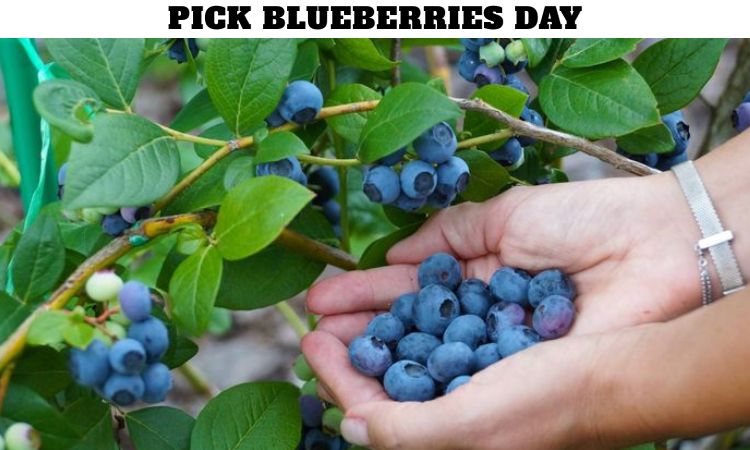
What Is Pick Blueberries Day and Why Is It Celebrated on July 10?
Pick Blueberries Day is celebrated every year on July 10 as a special occasion dedicated to one of nature’s most delicious and nutritious fruits. The day encourages people to enjoy fresh blueberries, appreciate local farms, and experience the simple pleasure of picking berries directly from the plants. Blueberries have been enjoyed for centuries because of their sweet flavor, versatility, and impressive health benefits. This celebration highlights the importance of connecting with nature while promoting healthy eating habits.
The exact origin of Pick Blueberries Day is not widely documented, but the event has become a popular food and agriculture observance among blueberry lovers, farmers, and families. July is an ideal month for blueberry harvesting in many regions because the fruit reaches peak ripeness during the summer season. Many farms open their fields for visitors, allowing people to hand-pick fresh blueberries while enjoying outdoor activities.
Pick Blueberries Day is more than just a celebration of a fruit. It represents the connection between consumers, farmers, and the environment. By visiting local blueberry farms, people can learn about sustainable farming practices, support agricultural communities, and understand the effort required to produce the food they enjoy.
How Did Blueberries Become an Important Part of Agriculture and Food Culture?
Blueberries have a long history that dates back thousands of years. Native communities in North America traditionally used wild blueberries as an important food source. They consumed fresh berries, dried them for winter storage, and used them in various traditional recipes. Blueberries were valued not only for their taste but also for their nutritional properties.
Modern blueberry farming began developing in the early 20th century when researchers worked to cultivate larger and more productive blueberry varieties. One of the most influential figures in blueberry cultivation was Elizabeth White, who collaborated with botanist Frederick Coville to develop commercially grown highbush blueberries. Their work helped transform blueberries from a wild fruit into a widely available agricultural crop.
Today, blueberries are grown in many parts of the world, including the United States, Canada, Chile, Peru, and several European countries. They are used in countless products such as smoothies, baked goods, cereals, jams, sauces, and desserts. Their popularity continues to grow because they offer both great taste and valuable nutrients.
Why Are Blueberries Considered a Superfood?
Blueberries are often called a superfood because they contain a high concentration of vitamins, minerals, and antioxidants. These small berries are especially known for their high levels of anthocyanins, natural compounds responsible for their blue-purple color. Antioxidants help protect the body’s cells from damage caused by harmful molecules called free radicals.
Blueberries are a good source of vitamin C, vitamin K, manganese, and dietary fiber. Vitamin C supports immune health, while fiber helps maintain healthy digestion. The nutrients found in blueberries make them a beneficial addition to a balanced diet.
Research suggests that regularly eating antioxidant-rich fruits like blueberries may support heart health, brain function, and overall wellness. Their natural sweetness also makes them a healthier alternative to many processed snacks. Whether eaten fresh, frozen, or added to meals, blueberries provide a flavorful way to increase fruit intake.
How Can People Celebrate Pick Blueberries Day?
There are many enjoyable ways to celebrate Pick Blueberries Day on July 10. The most traditional way is to visit a local blueberry farm and pick fresh berries directly from the bushes. Farm visits provide a fun outdoor experience for families, children, and anyone who enjoys spending time in nature.
People who cannot visit a farm can celebrate by purchasing fresh blueberries from local markets or grocery stores and preparing blueberry-based dishes at home. Popular options include blueberry muffins, pancakes, pies, smoothies, salads, and homemade jams. Cooking with blueberries allows people to explore new recipes while appreciating the fruit’s natural flavor.
Another meaningful way to celebrate is by learning more about agriculture and supporting local farmers. Buying locally grown blueberries helps strengthen farming communities and encourages sustainable food production. Schools, community groups, and organizations can also organize educational activities focused on healthy eating and farming.
What Makes Blueberry Picking a Fun Family Activity?
Blueberry picking is a simple outdoor activity that offers enjoyment for people of all ages. Unlike many recreational activities that involve technology or screens, berry picking allows families to spend quality time together while experiencing nature. Children can learn where food comes from and develop a greater appreciation for farmers and the environment.
Picking blueberries also provides a relaxing experience. Walking through fields, searching for ripe berries, and collecting them by hand can be a peaceful way to reduce stress and enjoy fresh air. Many farms offer additional attractions such as farm markets, picnic areas, and educational tours, making the visit even more memorable.
The activity also encourages healthy eating habits because people are often more excited to eat fruits they have personally picked. Freshly harvested blueberries usually have excellent flavor and can be enjoyed immediately or stored for later use.
What Are Some Interesting Facts About Blueberries?
Blueberries are one of the few naturally blue foods found in nature. Their unique color comes from anthocyanins, which are powerful plant pigments with antioxidant properties. Despite their small size, blueberries contain a wide range of nutrients that contribute to a healthy diet.
There are two main types of blueberries: wild blueberries and cultivated blueberries. Wild blueberries are smaller and often have a stronger flavor, while cultivated blueberries are larger and commonly found in supermarkets. Both varieties provide important nutrients and health benefits.
Blueberry plants can live for many years under suitable growing conditions. Some blueberry bushes continue producing fruit for decades, making them valuable crops for farmers. The fruit is also popular because it can be frozen while maintaining much of its nutritional value and flavor.
How Can You Pick and Store Fresh Blueberries Properly?
When picking blueberries, it is important to choose berries that are fully ripe. Ripe blueberries usually have a deep blue color and easily separate from the plant when gently touched. Green or reddish berries are not fully mature and may taste sour.
After picking blueberries, proper storage helps maintain freshness. Fresh blueberries should be kept in the refrigerator and washed only before eating. Washing them too early can cause moisture buildup and shorten their shelf life. For longer storage, blueberries can be frozen and used later in smoothies, baked goods, and other recipes.
Before freezing blueberries, they should be cleaned and dried thoroughly. Frozen blueberries can last for several months and provide a convenient way to enjoy the fruit throughout the year.
Why Should People Support Local Blueberry Farms?
Supporting local blueberry farms benefits both consumers and farming communities. Local farms often provide fresher produce because the fruit travels shorter distances from the field to the customer. This can help preserve flavor and quality.
Buying from local farmers also contributes to the local economy and supports agricultural workers. Many small farms depend on community support to continue their operations. Visiting farms for activities like blueberry picking creates direct connections between growers and consumers.
Local farms also play an important role in preserving green spaces and promoting sustainable agricultural practices. By supporting these farms, people help maintain a stronger and more environmentally friendly food system.
What Are Some Creative Ways to Enjoy Blueberries After Picking Them?
Fresh blueberries can be enjoyed in many creative ways beyond traditional desserts. They can be added to breakfast foods such as oatmeal, yogurt, cereal, and pancakes. Their sweet and slightly tart flavor also pairs well with salads, cheese, and savory dishes.
Blueberries can be blended into refreshing drinks, including smoothies and homemade juices. They can also be used to prepare sauces that complement desserts or breakfast meals. Homemade blueberry jam is another popular way to preserve the fruit and enjoy its flavor throughout the year.
For health-conscious individuals, blueberries make an excellent snack because they require little preparation. A handful of fresh blueberries provides natural sweetness without added sugar, making them a convenient choice for everyday eating.
How Does Pick Blueberries Day Promote Healthy and Sustainable Living?
Pick Blueberries Day encourages people to make healthier food choices while building stronger connections with nature. Choosing fresh fruits like blueberries supports a diet rich in vitamins, minerals, and antioxidants. The day also reminds people about the importance of agriculture and the efforts of farmers who grow the food we consume.
The celebration promotes sustainable living by encouraging local food purchasing and reducing the distance food travels before reaching consumers. Activities like visiting farms and learning about cultivation practices help create awareness about environmental responsibility.
By celebrating Pick Blueberries Day, people can enjoy delicious food, spend time outdoors, support farmers, and appreciate the natural resources that provide nourishment.
Frequently Asked Questions (FAQs)
1. When is Pick Blueberries Day celebrated?
Pick Blueberries Day is celebrated annually on July 10. The day encourages people to enjoy fresh blueberries, visit farms, and appreciate the importance of blueberry cultivation.
2. What is the purpose of Pick Blueberries Day?
The purpose of Pick Blueberries Day is to celebrate blueberries, promote healthy eating, support local farmers, and encourage people to enjoy outdoor activities like berry picking.
3. Why are blueberries considered healthy?
Blueberries are considered healthy because they contain antioxidants, vitamins, minerals, and dietary fiber that support overall wellness and contribute to a balanced diet.
4. Can blueberries be grown at home?
Yes, blueberries can be grown at home in suitable conditions. They require acidic soil, proper sunlight, and regular care to produce healthy fruit.
5. What is the best time to pick blueberries?
The best time to pick blueberries is when they are fully ripe, usually during the summer months. Ripe berries have a deep blue color and come off the bush easily.
6. How should fresh blueberries be stored?
Fresh blueberries should be stored in the refrigerator and washed just before eating. They can also be frozen for longer storage.
7. What are some popular foods made with blueberries?
Popular blueberry foods include muffins, pancakes, pies, smoothies, jams, yogurt toppings, and desserts.
8. Are wild blueberries different from regular blueberries?
Yes, wild blueberries are smaller and often have a more intense flavor, while cultivated blueberries are larger and commonly sold in stores.
9. How can families celebrate Pick Blueberries Day?
Families can celebrate by visiting blueberry farms, picking fresh berries, preparing blueberry recipes, or learning about farming and nutrition.
10. Can frozen blueberries be as healthy as fresh blueberries?
Yes, frozen blueberries can retain many of their nutrients and are a convenient option when fresh blueberries are not available.