

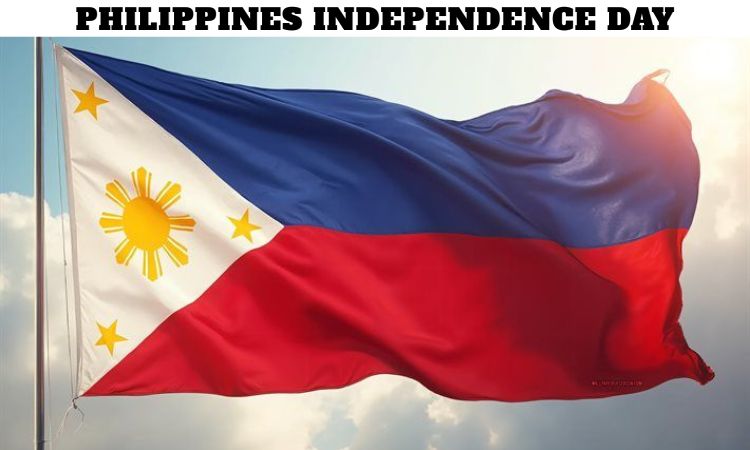
Why Is Philippines Independence Day Celebrated on June 12?
Philippines Independence Day is celebrated every year on June 12 to commemorate the declaration of independence of the Philippines from Spanish colonial rule in 1898. It is one of the most important national holidays in the country and serves as a powerful symbol of freedom, patriotism, and national identity.
The day marks a historic moment when Filipino revolutionaries proclaimed the nation’s independence after years of struggle and resistance. The declaration represented the aspirations of the Filipino people to govern themselves and establish a sovereign nation free from foreign control.
Independence Day is not only a remembrance of historical events but also an opportunity for Filipinos to celebrate their culture, heritage, and achievements as a nation. Across the country, communities participate in ceremonies, parades, educational activities, and cultural programs that honor the sacrifices of those who fought for freedom.
The holiday encourages citizens to reflect on the importance of liberty, democracy, and national unity. It reminds people of the courage and determination demonstrated by earlier generations in their pursuit of independence.
Today, June 12 remains a source of pride for Filipinos around the world and continues to inspire a deep appreciation for the country’s history and sovereignty.
What Is the Historical Background of Philippines Independence Day?
The history of Philippines Independence Day is closely linked to the struggle against Spanish colonial rule, which lasted for more than three centuries. During this period, many Filipinos sought reforms and greater autonomy, eventually leading to revolutionary movements that aimed for complete independence.
As nationalist sentiments grew, revolutionary leaders organized efforts to challenge colonial authority. These movements united many Filipinos under a common goal of achieving freedom and self-governance.
The culmination of these efforts came on June 12, 1898, when independence was formally proclaimed. This declaration symbolized the determination of the Filipino people to establish their own nation and control their future.
Although the path to full international recognition and self-rule involved additional challenges, the declaration remains a defining moment in Philippine history. It represents the birth of the nation’s independence movement and the beginning of a new chapter for the Filipino people.
Each year, Independence Day honors this important historical milestone and preserves the memory of those who contributed to the nation’s struggle for freedom.
Why Is Independence Important for a Nation?
Independence is important because it allows a nation to exercise sovereignty and make decisions that reflect the interests and aspirations of its people. It gives citizens the opportunity to shape their own political, economic, and social future.
For the Philippines, independence represented the achievement of self-determination after years of foreign rule. It enabled the nation to develop its own institutions, establish laws, and pursue national goals.
National independence also strengthens cultural identity by allowing people to preserve and celebrate their traditions, languages, and heritage. It creates a sense of ownership and responsibility for the country’s future.
The celebration of Independence Day reminds citizens of the value of freedom and the sacrifices required to achieve it. It encourages people to appreciate democratic principles and contribute positively to society.
The significance of independence extends beyond history, influencing the nation’s development and identity for generations.
Who Were the Heroes Behind Philippine Independence?
The struggle for Philippine independence involved numerous individuals who dedicated themselves to the cause of freedom. These leaders, revolutionaries, intellectuals, and ordinary citizens played vital roles in shaping the nation’s history.
Many worked tirelessly to inspire national unity and promote the idea of self-governance. Through their leadership, writings, and actions, they encouraged Filipinos to pursue independence and resist colonial control.
The sacrifices made by these individuals continue to be honored during Independence Day celebrations. Their contributions remind people that freedom often requires courage, perseverance, and collective effort.
Schools, museums, and cultural institutions frequently use the holiday as an opportunity to educate younger generations about these historical figures and their impact on the nation.
By remembering the heroes of independence, Filipinos preserve an important part of their national identity and historical heritage.
How Is Philippines Independence Day Celebrated?
Philippines Independence Day is celebrated with a variety of activities that highlight national pride and cultural heritage. Government institutions, schools, community organizations, and citizens participate in events designed to honor the nation’s history.
Flag-raising ceremonies are among the most important traditions. These events often include the singing of the national anthem and speeches reflecting on the significance of independence.
Parades are also common and feature cultural performances, historical representations, and displays of patriotism. Participants proudly showcase Filipino traditions, costumes, music, and dance.
Educational programs and historical exhibitions help increase awareness of the nation’s journey toward independence. Schools often organize special lessons, presentations, and activities focused on Philippine history.
Communities may also host cultural festivals, concerts, and family gatherings that celebrate Filipino identity and unity. These events create opportunities for people to come together and honor their shared heritage.
Why Is the Philippine Flag Important on Independence Day?
The Philippine flag holds deep symbolic meaning and plays a central role in Independence Day celebrations. It represents the nation’s sovereignty, unity, and struggle for freedom.
During Independence Day ceremonies, the flag is prominently displayed in public buildings, schools, homes, and community spaces. Citizens proudly raise and display the flag as an expression of patriotism and national pride.
Each element of the flag carries significance and reflects important aspects of Philippine history and values. The colors and symbols remind people of the sacrifices made in pursuit of independence and the ideals that continue to guide the nation.
The flag serves as a unifying symbol that brings together people from different backgrounds and regions under a shared national identity.
On June 12, the display of the flag becomes a powerful reminder of the country’s independence and the enduring spirit of its people.
How Does Independence Day Promote National Unity?
Independence Day promotes national unity by encouraging citizens to reflect on their shared history and collective achievements. The holiday reminds Filipinos that their nation’s freedom was achieved through cooperation, sacrifice, and determination.
Celebrations bring together people from diverse communities, cultures, and regions. Through participation in national events, individuals strengthen their connection to the country and to one another.
The observance also highlights common values such as patriotism, resilience, and respect for freedom. These principles help foster a sense of belonging and shared responsibility.
Educational activities contribute to unity by ensuring that future generations understand the significance of independence and appreciate the efforts of those who came before them.
By focusing on common goals and historical experiences, Independence Day helps strengthen the bonds that unite the Filipino people.
How Do Filipinos Around the World Celebrate Independence Day?
Filipino communities around the world proudly celebrate Independence Day regardless of where they live. These celebrations help maintain cultural connections and strengthen ties to the homeland.
Community organizations often organize cultural events, festivals, parades, and gatherings that showcase Filipino traditions and heritage. Participants enjoy traditional food, music, dance, and educational activities that reflect the richness of Filipino culture.
For many overseas Filipinos, Independence Day provides an opportunity to reconnect with their roots and share their culture with others. It also serves as a reminder of the values and history that continue to shape their identity.
These international celebrations demonstrate the global presence of the Filipino community and the enduring significance of June 12.
Through these observances, Filipinos worldwide express pride in their heritage and honor the nation’s journey toward independence.
What Lessons Can Be Learned From Philippines Independence Day?
Philippines Independence Day offers valuable lessons about courage, perseverance, and the importance of freedom. The historical events associated with the holiday demonstrate how collective action and determination can bring about meaningful change.
The observance encourages people to appreciate the rights and opportunities that come with living in an independent nation. It reminds citizens that freedom should be protected and used responsibly.
Another important lesson is the value of unity. The struggle for independence succeeded because individuals worked together toward a common goal despite challenges and differences.
The holiday also highlights the importance of remembering history. Understanding past struggles helps people better appreciate present achievements and make informed decisions about the future.
These lessons continue to inspire citizens and reinforce the values that contribute to a strong and resilient nation.
What Is the Lasting Significance of Philippines Independence Day?
The lasting significance of Philippines Independence Day lies in its celebration of freedom, national identity, and historical achievement. The holiday commemorates a defining moment in the country’s history and honors those who contributed to the pursuit of independence.
Each year, the observance strengthens national pride and encourages reflection on the responsibilities that accompany freedom. It serves as a reminder that independence is not only a historical accomplishment but also an ongoing commitment to democratic values and national progress.
The holiday preserves cultural heritage, promotes education, and fosters unity among Filipinos at home and abroad. Through ceremonies, celebrations, and community activities, the spirit of independence continues to inspire future generations.
As the nation commemorates June 12 each year, it reaffirms its dedication to preserving freedom, honoring history, and building a brighter future. Philippines Independence Day remains one of the most meaningful expressions of national pride and identity.
Frequently Asked Asked Questions (FAQs)
1. What is Philippines Independence Day?
Philippines Independence Day is a national holiday that commemorates the declaration of Philippine independence on June 12, 1898.
2. When is Philippines Independence Day celebrated?
It is celebrated annually on June 12.
3. Why is June 12 important in Philippine history?
June 12 marks the historic declaration of independence from Spanish colonial rule.
4. Why is Independence Day significant?
It celebrates freedom, sovereignty, and the nation’s journey toward self-governance.
5. How is Philippines Independence Day celebrated?
Celebrations include flag ceremonies, parades, cultural programs, educational events, and community gatherings.
6. What role does the Philippine flag play during the holiday?
The flag symbolizes national pride, unity, and the country’s independence.
7. Do Filipinos abroad celebrate Independence Day?
Yes, Filipino communities around the world organize cultural events and celebrations.
8. What values does Independence Day promote?
The holiday promotes patriotism, unity, freedom, and appreciation of national history.
9. Why is learning about Independence Day important?
It helps people understand the sacrifices made for freedom and strengthens national identity.
10. What is the main purpose of Philippines Independence Day?
The main purpose is to honor the nation’s declaration of independence and celebrate Filipino heritage and freedom.