

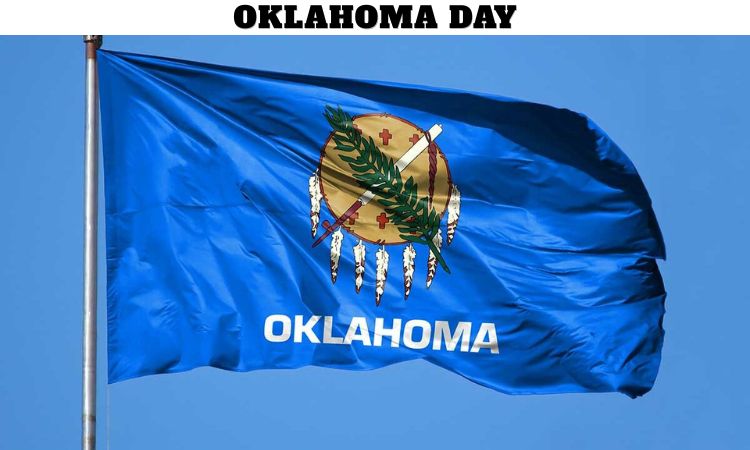
What Is Oklahoma Day and Why Is It Celebrated on April 22?
Oklahoma Day, observed annually on April 22, commemorates one of the most significant events in American history—the opening of the Unassigned Lands in what is now the state of Oklahoma for settlement in 1889. This historic moment marked the beginning of rapid development in the region and symbolized opportunity, resilience, and determination.
We recognize Oklahoma Day as a celebration of the state’s rich heritage, diverse culture, and pioneering spirit. It honors the people who participated in the land run and contributed to the foundation of modern Oklahoma.
What Happened During the Land Run of 1889?
The defining event behind Oklahoma Day is the Land Run of 1889. On April 22, 1889, thousands of settlers lined up at the borders of the Unassigned Lands, waiting for the official signal at noon to rush in and claim plots of land.
At exactly noon, participants raced on horseback, in wagons, and even on foot to stake their claims. Within hours, towns such as Oklahoma City and Guthrie were rapidly established. This dramatic and chaotic event remains one of the most iconic land settlement movements in United States history.
Why Is the Land Run Important in American History?
The Land Run of 1889 holds immense historical significance as it represents the expansion of settlers into the western frontier. It was a turning point that led to:
- Rapid population growth in Oklahoma
- Establishment of towns and infrastructure
- Economic development and agricultural expansion
- Transformation of the region into a structured territory
We understand that while the event symbolizes an opportunity for settlers, it also reflects the complex history involving Native American lands and displacement, making it a subject of both celebration and reflection.
How Did Oklahoma Become a State?
Following the land runs and continued settlement, the Oklahoma Territory experienced steady growth. Eventually, on November 16, 1907, Oklahoma was officially admitted as the 46th state of the United States.
The journey to statehood involved merging the Oklahoma Territory with the Indian Territory, creating a unified state. Oklahoma Day serves as a reminder of the early steps that led to this historic milestone.
What Are the Cultural Highlights of Oklahoma?
Oklahoma is known for its rich and diverse cultural heritage. Key highlights include:
- Native American traditions and history
- Western cowboy culture
- Country and folk music influences
- Art, museums, and historical landmarks
The state is home to numerous tribes and preserves a deep connection to indigenous culture, making it a unique blend of traditions and modern influences.
How Do People Celebrate Oklahoma Day?
Oklahoma Day is celebrated with various activities that reflect pride in the state’s history and culture. Common celebrations include:
- Historical reenactments of the land run
- Educational programs in schools and museums
- Community festivals and events
- Cultural exhibitions and storytelling sessions
We observe that these celebrations not only honor the past but also educate future generations about the state’s origins.
What Are Some Key Historical Sites in Oklahoma?
Oklahoma is home to several important historical sites that connect to its early settlement and development:
- Oklahoma State Capitol
- Cherokee Heritage Center
- National Cowboy & Western Heritage Museum
- Guthrie Historic District
These landmarks preserve the stories of Oklahoma’s past and offer insight into its cultural evolution.
What Role Did Native Americans Play in Oklahoma’s History?
Native American tribes have played a central role in shaping Oklahoma’s identity. Before the land runs, the region was designated as Indian Territory, where many tribes were relocated.
We acknowledge that Oklahoma is home to a large number of federally recognized tribes, each contributing to the state’s cultural richness. Their traditions, languages, and histories remain integral to Oklahoma’s identity today.
How Has Oklahoma Evolved Since Its Early Days?
From its origins as a frontier territory, Oklahoma has grown into a dynamic and diverse state. Key developments include:
- Expansion of urban centers like Oklahoma City
- Growth in industries such as energy, agriculture, and aviation
- Advancements in education and infrastructure
- Cultural and economic diversification
We recognize Oklahoma as a state that balances its historical roots with modern progress.
Why Is Oklahoma Day Still Relevant Today?
Oklahoma Day remains relevant because it reminds us of the values that shaped the state:
- Perseverance and determination
- Community building and cooperation
- Respect for history and cultural diversity
By reflecting on the past, we gain a deeper understanding of the present and a clearer vision for the future.
Frequently Asked Questions (FAQs)
1. What is Oklahoma Day?
Oklahoma Day is a commemorative day marking the Land Run of 1889 and the opening of land for settlement.
2. When is Oklahoma Day celebrated?
It is celebrated annually on April 22.
3. What was the Land Run of 1889?
It was a historic event where settlers rushed to claim land in Oklahoma after it was opened for settlement.
4. Why is the Land Run significant?
It led to rapid development and settlement in Oklahoma.
5. When did Oklahoma become a state?
Oklahoma became a state on November 16, 1907.
6. What cities were formed during the Land Run?
Cities like Oklahoma City and Guthrie were established during the event.
7. How is Oklahoma Day celebrated?
Through historical reenactments, educational programs, and community events.
8. What is Oklahoma known for?
It is known for its Native American heritage, cowboy culture, and rich history.
9. Are Native American tribes important to Oklahoma’s history?
Yes, they play a central role in the state’s cultural and historical identity.
10. Why is Oklahoma Day important today?
It helps preserve history and promotes understanding of the state’s origins.