

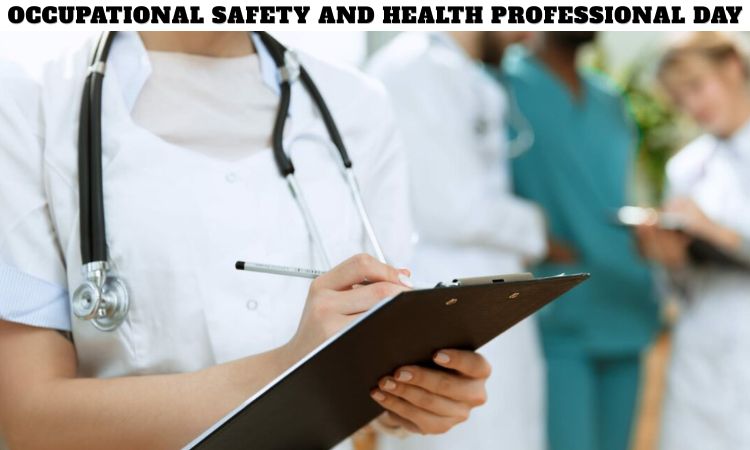
What is Occupational Safety and Health Professional Day, and why is it celebrated?
Occupational Safety and Health Professional Day, observed on May 6, is dedicated to recognizing the invaluable contributions of professionals who work tirelessly to ensure safe and healthy working environments. These professionals, often working behind the scenes, play a critical role in preventing workplace accidents, reducing health risks, and promoting overall well-being among employees across industries. From construction sites and manufacturing plants to corporate offices and healthcare institutions, occupational safety experts are responsible for identifying hazards, implementing preventive measures, and fostering a culture of safety.
This day serves as an opportunity to highlight the importance of workplace safety and to appreciate the efforts of safety officers, industrial hygienists, environmental health experts, and risk management professionals. It also encourages organizations and employees to reflect on their own safety practices and commit to continuous improvement. By celebrating this day, society acknowledges that a safe workplace is not just a legal requirement but a fundamental human right.
Why are occupational safety and health professionals essential in today’s workplaces?
In today’s fast-paced and evolving work environments, occupational safety and health professionals have become more important than ever. With the rise of new technologies, changing work patterns, and increasing industrial complexity, the risks associated with workplaces have also grown. Safety professionals act as the first line of defense against these risks by proactively identifying potential hazards and implementing effective solutions.
They are essential because they help prevent injuries, illnesses, and fatalities, which can have devastating consequences for individuals and organizations alike. Beyond physical safety, they also address mental health concerns, ergonomic issues, and environmental hazards. Their expertise ensures compliance with safety regulations and standards, helping organizations avoid legal penalties and financial losses. Ultimately, their work contributes to a more productive and sustainable workforce.
How do occupational safety and health professionals contribute to accident prevention?
Accident prevention is one of the core responsibilities of occupational safety and health professionals. They conduct thorough risk assessments to identify potential hazards in the workplace, such as unsafe machinery, chemical exposure, or poor working conditions. Based on these assessments, they develop and implement safety protocols and procedures designed to minimize risks.
They also provide training and education to employees, ensuring that everyone understands how to work safely and respond effectively in emergencies. Regular safety audits and inspections help maintain compliance and identify areas for improvement. Additionally, these professionals analyze past incidents to determine their root causes and implement corrective actions to prevent recurrence. Through these proactive and reactive measures, they significantly reduce the likelihood of workplace accidents.
What roles and responsibilities do these professionals typically have?
Occupational safety and health professionals wear many hats, depending on their specific roles and the industries they serve. Their responsibilities often include conducting workplace inspections, developing safety policies, and ensuring compliance with local and international safety standards. They also investigate accidents and incidents to identify causes and recommend corrective measures.
Another important aspect of their role is training employees on safety practices, including the proper use of equipment and emergency response procedures. They may also be involved in designing safer work environments, selecting appropriate personal protective equipment, and monitoring environmental conditions such as air quality and noise levels. In many organizations, they collaborate with management to integrate safety into overall business strategies, ensuring that it becomes a core organizational value.
How does workplace safety impact productivity and business success?
Workplace safety has a direct and significant impact on productivity and overall business success. A safe work environment reduces the likelihood of accidents and illnesses, which in turn minimizes downtime, absenteeism, and employee turnover. When employees feel safe and valued, they are more likely to be engaged, motivated, and productive.
Moreover, organizations that prioritize safety often experience lower costs associated with workers’ compensation claims, medical expenses, and legal liabilities. A strong safety record can also enhance a company’s reputation, making it more attractive to customers, investors, and potential employees. In this way, investing in occupational safety and health is not just a moral obligation but also a smart business strategy.
What challenges do occupational safety and health professionals face?
Despite their critical role, occupational safety and health professionals face numerous challenges in their work. One of the primary challenges is keeping up with constantly evolving regulations, technologies, and workplace practices. As new risks emerge, such as those associated with automation or remote work, safety professionals must adapt quickly to address them.
Another challenge is gaining the cooperation and commitment of employees and management. Implementing safety measures often requires changes in behavior and organizational culture, which can be difficult to achieve. Limited resources, such as budget constraints and staffing shortages, can also hinder their efforts. Additionally, they may face resistance from individuals who prioritize productivity over safety. Overcoming these challenges requires strong communication skills, leadership, and a deep commitment to protecting workers.
How has technology influenced occupational safety and health practices?
Technology has significantly transformed the field of occupational safety and health, making it more efficient and effective. Advanced tools such as wearable devices, sensors, and data analytics allow safety professionals to monitor workplace conditions in real time and identify potential hazards before they lead to incidents. For example, wearable technology can track workers’ movements and detect signs of fatigue, helping prevent accidents.
Digital platforms and software have also streamlined safety management processes, including reporting, training, and compliance tracking. Virtual reality and simulation technologies are increasingly being used for safety training, providing employees with realistic scenarios in a controlled environment. While technology has enhanced safety practices, it also introduces new risks that must be carefully managed, highlighting the need for continuous learning and adaptation.
Why is employee training crucial for workplace safety?
Employee training is a cornerstone of effective workplace safety programs. Even the best safety policies and equipment are ineffective if employees do not know how to use them properly. Training ensures that workers understand the risks associated with their jobs and the procedures they must take to protect themselves and others.
Comprehensive training programs cover a wide range of topics, including hazard recognition, emergency response, and the proper use of personal protective equipment. Regular refresher courses help reinforce knowledge and keep employees updated on new safety practices. By empowering employees with the knowledge and skills they need, organizations can create a culture of safety where everyone takes responsibility for maintaining a safe work environment.
How can organizations effectively celebrate Occupational Safety and Health Professional Day?
Organizations can celebrate Occupational Safety and Health Professional Day in various meaningful ways. Recognizing the efforts of safety professionals through awards, appreciation events, or public acknowledgments can boost morale and highlight their importance. Hosting workshops, seminars, or training sessions on safety topics can also raise awareness and engage employees.
Companies may use this day to review their safety policies and identify areas for improvement. Encouraging employee participation through safety campaigns, quizzes, or competitions can make the celebration more interactive and impactful. Ultimately, the goal is to reinforce the importance of safety and demonstrate a genuine commitment to the well-being of employees.
What is the future of occupational safety and health?
The future of occupational safety and health is shaped by emerging trends such as digital transformation, globalization, and changing workforce dynamics. As workplaces become more technologically advanced, safety professionals will need to develop new skills to manage complex systems and address novel risks. The growing focus on mental health and well-being is also expanding the scope of occupational safety.
Sustainability and environmental considerations are becoming increasingly important, with organizations striving to create not only safe but also environmentally responsible workplaces. Collaboration across industries and countries will play a key role in sharing best practices and improving global safety standards. Despite the challenges ahead, the future holds significant opportunities for innovation and progress in protecting workers.
Frequently Asked Questions (FAQs)
1. What is Occupational Safety and Health Professional Day?
It is a day celebrated on May 6 to honor professionals who ensure workplace safety and health.
2. Why is workplace safety important?
Workplace safety prevents injuries, improves productivity, and ensures employee well-being.
3. Who are occupational safety professionals?
They are experts responsible for identifying hazards and implementing safety measures in workplaces.
4. How do safety professionals prevent accidents?
They conduct risk assessments, provide training, and enforce safety protocols.
5. What industries need safety professionals?
Almost all industries, including construction, manufacturing, healthcare, and IT.
6. How does safety impact business performance?
It reduces costs, improves employee morale, and enhances productivity.
7. What skills are required for safety professionals?
Knowledge of regulations, risk assessment, communication, and problem-solving skills.
8. How can employees contribute to workplace safety?
By following guidelines, reporting hazards, and participating in training programs.
9. What role does technology play in safety?
Technology helps monitor risks, improve training, and enhance safety management systems.
10. How can companies celebrate this day?
Through recognition programs, training sessions, and safety awareness campaigns.