
New Year’s Eve, celebrated every year on December 31, is one of the most anticipated and universally recognized occasions across the globe. It marks the final day of the Gregorian calendar year and serves as a symbolic bridge between the past and the future. From dazzling fireworks and countdowns to heartfelt resolutions and cultural traditions, New Year’s Eve unites people in hope, reflection, and celebration.
As the final moments of the year tick away, people everywhere gather with loved ones, reflect on achievements and challenges, and prepare for fresh beginnings. Whether celebrated quietly at home or with grand public events, New Years Eve holds a unique emotional and cultural significance.
The History of New Year’s Eve
The celebration of New Years Eve has ancient roots. The earliest known New Year celebrations date back over 4,000 years to ancient Mesopotamia, where the Babylonians celebrated the new year during the spring equinox. However, January 1 officially became the start of the new year in 46 BCE when Julius Caesar introduced the Julian calendar.
The Romans honored Janus, the god of beginnings and transitions, during this time. Janus had two faces—one looking backward at the past year and one looking forward to the future—making him the perfect symbol for New Year’s Eve. This dual symbolism still resonates today as people reflect on the year gone by while preparing for new opportunities ahead.
Why New Year’s Eve Is Celebrated on December 31?
December 31 marks the final day of the Gregorian calendar, which is widely used across the world today. The Gregorian calendar, introduced by Pope Gregory XIII in 1582, refined earlier calendar systems to better align with the solar year.
Over time, December 31 became universally recognized as New Year’s Eve, a day devoted to reflection, celebration, and anticipation of a fresh start. The countdown to midnight symbolizes the transition from the old year to the new one, making it one of the most emotionally charged moments of the year.
Global New Year’s Eve Traditions
One of the most fascinating aspects of New Years Eve is how differently it is celebrated around the world. Despite cultural differences, the underlying themes of hope, renewal, and joy remain consistent.
1. United States
In the U.S., New Year’s Eve is famously marked by the Times Square Ball Drop in New York City. Millions gather in person or watch live as the illuminated ball descends during the final 60 seconds before midnight.
2. United Kingdom
In the UK, people celebrate with fireworks, parties, and the traditional singing of “Auld Lang Syne,” a song symbolizing friendship and remembrance.
3. Spain
Spaniards follow the tradition of eating 12 grapes at midnight, one for each chime of the clock, to bring good luck for each month of the coming year.
4. Japan
In Japan, New Years Eve is known as Ōmisoka. Temples ring bells 108 times to cleanse people of worldly desires and negativity.
5. Brazil
In Brazil, many people dress in white and gather on beaches, especially in Rio de Janeiro, to honor Yemanjá, the goddess of the sea, by offering flowers and candles.
New Year’s Eve Traditions and Symbols
Fireworks
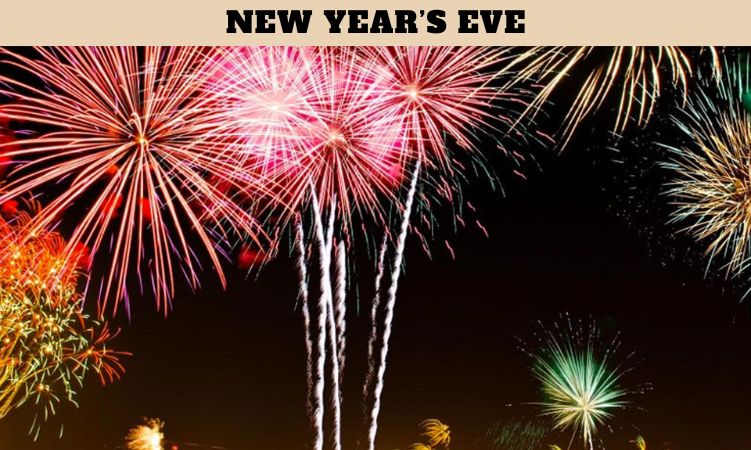
Fireworks symbolize joy, hope, and the driving away of evil spirits. Cities worldwide light up the sky as the clock strikes midnight.
Countdown
The final 10 seconds before midnight are iconic. This moment unites millions as voices join together in anticipation.
Champagne Toasts
Raising a glass of champagne at midnight represents celebration, prosperity, and joy for the year ahead.
New Year’s Resolutions
One of the most popular New Years Eve traditions is setting resolutions—personal goals for self-improvement, health, career growth, or relationships.
The Emotional Significance of New Year’s Eve
New Year’s Eve is deeply emotional for many people. It encourages reflection on achievements, lessons, regrets, and dreams. The transition between years often feels symbolic, offering a mental reset and a renewed sense of hope.
Some experience nostalgia, thinking about memories made throughout the year, while others feel excitement for new opportunities. This emotional duality is what makes New Year’s Eve such a powerful and meaningful celebration.
New Year’s Eve Around the World: Time Zones and Celebrations
One of the most fascinating aspects of New Years Eve is how it travels across the globe. Countries in the Pacific, such as Kiribati and New Zealand, are the first to welcome the new year. The celebrations then move westward across Asia, Europe, Africa, and the Americas.
This rolling celebration creates a 24-hour global festival, uniting humanity through time zones and shared anticipation.
Popular New Year’s Eve Foods
Food plays a major role in New Years Eve celebrations worldwide. Many cultures believe certain foods bring good fortune:
Lentils (Italy) symbolize wealth and prosperity
Black-eyed peas (Southern USA) represent luck
Fish symbolizes abundance
Round foods represent completeness and continuity
Sharing meals with loved ones reinforces togetherness and gratitude.
New Year’s Eve in the Digital Age
Modern technology has transformed how we celebrate New Years Eve. Virtual countdowns, livestreamed concerts, and video calls allow people to connect across distances. Social media platforms fill with reflections, resolutions, and celebratory posts as the world welcomes the new year together.
Digital connectivity has made New Year’s Eve more inclusive, allowing people from different countries and cultures to share the moment in real time.
Safety and Responsibility on New Year’s Eve
While celebrations are joyful, safety is essential. Responsible celebrations include avoiding drunk driving, using fireworks safely, and being mindful of others. Many communities promote designated drivers and public transportation to ensure everyone returns home safely.
Responsible celebration ensures that New Year’s Eve remains joyful for all.
New Year’s Eve and Personal Growth
Beyond celebrations, New Year’s Eve is a powerful moment for personal reflection. Many people use this time to assess their goals, habits, and values. Writing down resolutions, journaling, or meditating can help clarify intentions for the upcoming year.
Popular resolution themes include:
Improving health and fitness
Building stronger relationships
Advancing careers or education
Practicing gratitude and mindfulness
While not all resolutions last, the intention to grow is meaningful in itself.
Why New Year’s Eve Matters?
New Year’s Eve matters because it represents hope. It offers a chance to start fresh, forgive past mistakes, and embrace new possibilities. It reminds us that time moves forward, and with it comes opportunity.
No matter how the year has been—joyful, challenging, or transformative—New Year’s Eve gives everyone a moment to pause and look forward with optimism.
Fun Ways to Celebrate New Year’s Eve
If you’re looking for creative ways to celebrate New Year’s Eve, consider:
Hosting a themed party
Writing letters to your future self
Creating a memory jar with highlights from the year
Watching fireworks or live countdowns
Spending quiet time reflecting and setting goals
There is no right or wrong way to celebrate—as long as it brings joy and meaning to you.
The Universal Message of New Year’s Eve
At its core, New Years Eve is about unity. Regardless of culture, language, or belief, people everywhere share the same hope for happiness, peace, and prosperity in the year ahead.
It reminds us that time is precious, change is constant, and every ending carries the promise of a new beginning.
Conclusion
New Year’s Eve on December 31 is more than just the end of the calendar year—it is a global celebration of hope, renewal, and human connection. From ancient traditions to modern festivities, this special night unites people in reflection and anticipation.