

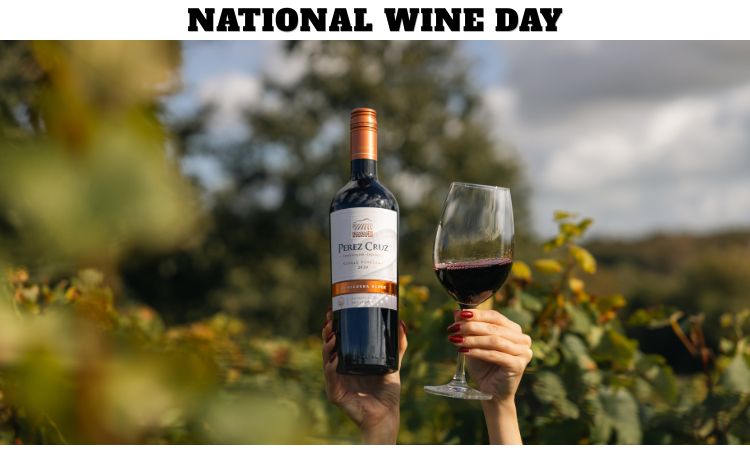
What Is National Wine Day and Why Is It Celebrated on May 25?
National Wine Day, celebrated every year on May 25, is a special observance dedicated to appreciating one of the world’s oldest and most beloved beverages. The day honors the cultural, historical, culinary, and social importance of wine while encouraging people to explore different wine varieties, traditions, and tasting experiences.
Wine has been part of human civilization for thousands of years and continues to play a major role in celebrations, dining, hospitality, and global culture. National Wine Day provides wine enthusiasts, restaurants, vineyards, and casual consumers with an opportunity to recognize the craftsmanship and traditions behind winemaking.
People celebrate the occasion in many ways, including wine tastings, vineyard tours, dinners, social gatherings, and educational events focused on wine appreciation. Restaurants and wineries often organize special promotions, pairing menus, and tasting experiences to mark the holiday.
National Wine Day is not limited to experts or collectors. It is a celebration for anyone who enjoys learning about wine, discovering new flavors, and appreciating the rich history connected to winemaking around the world.
What Is the History of Wine and Why Is It So Important?
Wine is one of the oldest alcoholic beverages in human history. Archaeological evidence suggests that winemaking began more than 8,000 years ago in regions near present-day Georgia, Armenia, and parts of the Middle East.
Ancient civilizations such as the Egyptians, Greeks, and Romans valued wine for religious ceremonies, trade, medicine, and social gatherings. The Romans played a particularly important role in spreading viticulture and winemaking techniques throughout Europe.
During the Middle Ages, monasteries preserved many winemaking traditions, helping vineyards and wine culture survive and expand across different regions. Over time, countries such as France, Italy, Spain, Portugal, and Germany became globally recognized for producing high-quality wines.
Today, wine remains an important part of international cuisine, hospitality, tourism, and agriculture. It represents tradition, craftsmanship, and cultural identity in many parts of the world.
National Wine Day celebrates this remarkable history while encouraging appreciation for the art and science behind every bottle.
What Are the Most Popular Types of Wine?
Wine comes in many styles, flavors, and varieties, allowing people to choose options that suit different tastes and occasions. The most common categories are red wine, white wine, rosé wine, sparkling wine, and dessert wine.
- Red wine is made using dark-colored grape varieties and often has rich, bold flavors. Popular red wines include Cabernet Sauvignon, Merlot, Pinot Noir, and Syrah.
- White wine is typically lighter and more refreshing. Common varieties include Chardonnay, Sauvignon Blanc, Riesling, and Pinot Grigio.
- Rosé wine is known for its pink color and balanced flavor profile, combining qualities of both red and white wines.
- Sparkling wine, including Champagne and Prosecco, contains carbonation that creates bubbles and festive appeal.
- Dessert wine is sweeter and often enjoyed after meals or with desserts.
National Wine Day encourages people to explore different wine styles and discover new favorites through tastings and pairings.
Why Do People Enjoy Wine Around the World?
Wine is appreciated globally because it combines flavor, tradition, craftsmanship, and social experience. Many people enjoy wine as part of meals, celebrations, cultural rituals, and relaxation.
Wine tasting offers a sensory experience involving aroma, texture, flavor, and appearance. Enthusiasts often enjoy identifying notes such as fruits, spices, herbs, chocolate, oak, or floral elements within different wines.
Wine also plays an important social role. Sharing a bottle during dinners, gatherings, weddings, or holidays often creates feelings of connection and celebration.
In many cultures, wine is closely tied to hospitality and culinary traditions. Certain wines are paired carefully with foods to enhance flavors and improve dining experiences.
National Wine Day celebrates the enjoyment and appreciation of wine while recognizing its role in bringing people together across cultures and generations.
How Is National Wine Day Celebrated?
People celebrate National Wine Day in many enjoyable and educational ways. Wine tastings are among the most popular activities, allowing participants to sample different varieties and learn about flavors, regions, and production methods.
Many wineries and vineyards host tours and special events where visitors can observe the winemaking process, walk through vineyards, and meet producers.
Restaurants frequently create wine-pairing menus featuring dishes specifically matched with different wines. These experiences help guests understand how wine complements food.
Friends and families may organize gatherings at home with themed dinners, charcuterie boards, or blind tasting games. Some wine enthusiasts use the day to expand their knowledge through books, documentaries, or online classes about wine regions and grape varieties.
Social media also plays a role in modern celebrations, with people sharing favorite bottles, tasting experiences, and wine recommendations online.
National Wine Day combines education, culture, and entertainment in a way that appeals to both beginners and experienced wine lovers.
What Are the Most Famous Wine Regions in the World?
Several regions around the world are internationally recognized for producing exceptional wines. These regions have developed strong reputations because of their climate, soil, grape varieties, and centuries of winemaking tradition.
France is home to famous wine regions such as Bordeaux, Burgundy, Champagne, and the Rhône Valley. Italian regions like Tuscany and Piedmont are celebrated for wines such as Chianti and Barolo.
Spain is known for Rioja and Ribera del Duero, while Portugal is famous for Port wine and the Douro Valley.
Outside Europe, California’s Napa Valley has become one of the world’s leading wine-producing regions. Argentina, Chile, South Africa, Australia, and New Zealand also produce internationally respected wines.
Each wine region offers unique flavors and characteristics influenced by geography, climate, and local traditions. National Wine Day encourages exploration of these diverse wine cultures and their global influence.
How Does Wine Pair With Different Foods?
Wine pairing is an important part of culinary culture because the right wine can enhance the flavors of food and improve the dining experience.
Red wines are often paired with rich dishes such as steak, lamb, pasta with red sauce, and aged cheeses. Their bold flavors complement hearty meals.
White wines typically pair well with seafood, chicken, salads, creamy dishes, and lighter foods. Crisp white wines can balance spicy or acidic flavors effectively.
Rosé wines are versatile and work with grilled foods, pasta, pizza, and Mediterranean cuisine.
Sparkling wines pair surprisingly well with salty and fried foods because their acidity and bubbles cleanse the palate.
Dessert wines are commonly served with sweets, fruit-based desserts, or blue cheeses.
National Wine Day inspires people to experiment with pairings and discover combinations that suit their preferences and tastes.
What Are Some Common Myths About Wine?
Many misconceptions surround wine, especially for beginners. One common myth is that expensive wine is always better. In reality, enjoyment depends on personal taste, and many affordable wines offer excellent quality.
Another myth is that red wine should always be served at room temperature. In fact, slightly cooler temperatures often improve flavor and freshness.
Some people believe only experts can appreciate wine properly. However, wine enjoyment is highly personal, and anyone can learn to identify flavors and preferences over time.
There is also a misconception that wine pairing rules are strict. While traditional pairings can enhance meals, people should ultimately choose combinations they personally enjoy.
National Wine Day encourages exploration and learning while making wine culture more approachable and inclusive.
How Does the Wine Industry Impact the Global Economy?
The wine industry contributes significantly to agriculture, tourism, hospitality, and international trade. Millions of people worldwide work in vineyards, wineries, restaurants, distribution, retail, and tourism sectors connected to wine production.
Wine tourism has become especially important in many countries. Visitors travel to vineyard regions for tastings, tours, cultural experiences, and scenic landscapes, generating economic growth for local communities.
Wine exports also play a major role in international trade, with countries competing in global markets through quality, branding, and heritage.
In addition to economic impact, the wine industry supports cultural preservation by maintaining traditional farming techniques, local grape varieties, and regional identities.
National Wine Day highlights not only the enjoyment of wine but also the craftsmanship and industries that support its global popularity.
Why Is Responsible Wine Consumption Important?
National Wine Day also serves as a reminder about responsible and moderate alcohol consumption. While wine is associated with celebration and enjoyment, it is important to consume alcoholic beverages responsibly and legally.
Moderation helps reduce health and safety risks associated with excessive drinking. Responsible wine culture emphasizes quality over quantity and encourages appreciation rather than overconsumption.
People celebrating National Wine Day are encouraged to prioritize safety, avoid drinking and driving, and respect local laws and health guidelines related to alcohol.
Responsible enjoyment allows wine to remain a positive part of social and cultural experiences while promoting health and well-being.
Why Does National Wine Day Continue to Grow in Popularity?
National Wine Day continues to gain popularity because wine culture has become increasingly global, accessible, and diverse. Modern consumers are more interested in culinary experiences, food pairings, travel, and artisanal products, all of which connect strongly with wine appreciation.
Social media, wine education platforms, and tourism have also introduced more people to wine culture and tasting experiences. Younger generations often view wine as part of lifestyle, culture, and hospitality rather than simply a beverage.
The holiday appeals to casual drinkers, collectors, chefs, travelers, and cultural enthusiasts alike. It celebrates history, craftsmanship, flavor, and social connection in a way that resonates across different cultures and age groups.
National Wine Day remains a meaningful occasion for appreciating one of humanity’s oldest and most celebrated beverages.
Frequently Asked Questions (FAQs)
1. When is National Wine Day celebrated?
National Wine Day is celebrated every year on May 25.
2. What is National Wine Day?
It is a holiday dedicated to appreciating wine, winemaking, and wine culture.
3. What are the main types of wine?
The main types include red wine, white wine, rosé wine, sparkling wine, and dessert wine.
4. Which countries are famous for wine production?
France, Italy, Spain, Portugal, the United States, Argentina, and Australia are famous wine-producing countries.
5. What foods pair well with red wine?
Red wine often pairs well with steak, pasta, lamb, and aged cheeses.
6. What is sparkling wine?
Sparkling wine contains carbonation that creates bubbles, such as Champagne or Prosecco.
7. Why is wine historically important?
Wine has been part of human culture, trade, religion, and celebrations for thousands of years.
8. How do people celebrate National Wine Day?
People celebrate through wine tastings, dinners, vineyard tours, and social gatherings.
9. Is expensive wine always better?
No, wine quality and enjoyment depend largely on personal taste and preference.
10. Why is responsible wine consumption important?
Responsible consumption helps promote health, safety, and positive social experiences.