
What Is National Whiskey Sour Day?
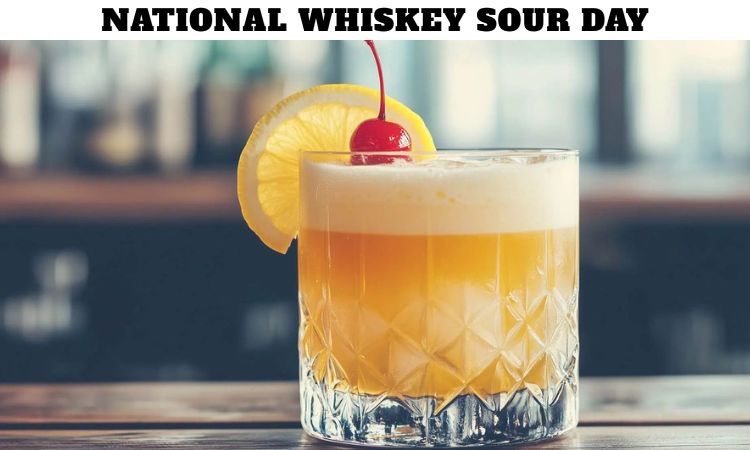
National Whiskey Sour Day is observed every year on August 25 as a celebration of one of the most recognizable classic whiskey cocktails. The whiskey sour combines the warmth and character of whiskey with the bright acidity of citrus and the sweetness needed to balance the drink. Its simple formula has helped it remain popular across generations.
The whiskey sour is often associated with classic cocktail culture because it follows a straightforward balance of spirit, sour citrus, and sweetener. While modern bartenders may introduce egg white, bitters, different garnishes, or creative variations, the traditional version remains relatively uncomplicated.
National Whiskey Sour Day gives cocktail enthusiasts an opportunity to appreciate this classic drink, learn about its history, experiment with recipes, and enjoy responsible celebrations with friends and family.
When Is National Whiskey Sour Day Celebrated?
National Whiskey Sour Day is celebrated annually on August 25. In 2026, the occasion falls on Tuesday, August 25.
The date provides a reason for cocktail lovers to revisit the whiskey sour during the final part of summer. Since August can still bring warm weather in many places, the refreshing citrus character of the drink makes it an appealing choice for an evening gathering.
People can celebrate the occasion at home, visit a cocktail bar, organize a small gathering, or simply learn more about the history and preparation of the whiskey sour.
Why Is the Whiskey Sour So Popular?
The whiskey sour has remained popular because it offers a balanced combination of flavors without requiring a long list of ingredients. Whiskey provides depth, oak, spice, and warmth, while fresh lemon juice contributes acidity and brightness. Sugar or simple syrup softens the sharpness of the citrus and brings the ingredients together.
Another reason for its popularity is flexibility. Bourbon, rye, and other whiskey styles can create noticeably different versions of the same cocktail. A bourbon-based whiskey sour can taste smooth and slightly sweet, while rye whiskey can produce a drier and spicier character.
The drink can also be adjusted according to personal taste. Someone who prefers a tart cocktail can use less sweetener, while a person who enjoys a softer drink can increase the sweetness slightly.
What Is the History of the Whiskey Sour?
The whiskey sour belongs to the broader family of sour cocktails, a style built around a spirit, citrus juice, and a sweetening ingredient. The basic sour formula has been part of cocktail culture for a very long time.
Historical references to whiskey sours appeared in cocktail literature during the 19th century. The drink became part of the growing American cocktail tradition, where bartenders experimented with spirits, sugar, and fresh citrus.
The exact origin of the whiskey sour is difficult to attribute to a single person or location. Rather than being created as one definitive invention, it developed within a larger cocktail tradition.
Over time, the whiskey sour became a staple in cocktail books and bars. Its enduring presence demonstrates how a relatively simple combination can remain relevant even as cocktail trends change.
What Ingredients Are Used in a Classic Whiskey Sour?
A classic whiskey sour generally requires only a few ingredients. The main components are whiskey, fresh lemon juice, and a sweetener such as simple syrup.
A common preparation uses:
- 2 ounces of whiskey
- 3/4 ounce of fresh lemon juice
- 3/4 ounce of simple syrup
- Ice
- Lemon wedge or cherry for garnish
Some versions also include egg white. Egg white creates a smooth, creamy texture and a layer of foam on top of the cocktail. It is optional and is not necessary for making a basic whiskey sour.
The quality of the ingredients matters. Freshly squeezed lemon juice generally provides a brighter flavor than bottled juice, while a whiskey that you enjoy drinking on its own can make the cocktail more satisfying.
How Do You Make a Classic Whiskey Sour?
Making a whiskey sour is relatively easy, which is one reason it works well for home cocktail enthusiasts.
Start by measuring the whiskey, fresh lemon juice, and simple syrup. Add the ingredients to a cocktail shaker with ice. Shake thoroughly until the mixture is chilled.
Strain the cocktail into a rocks glass filled with fresh ice. You can garnish it with a lemon wedge, lemon peel, or cocktail cherry.
If you are preparing a version with egg white, bartenders often shake the ingredients first without ice to help incorporate the egg white. Ice can then be added for a second shake before straining.
Anyone preparing cocktails containing raw egg should use appropriate food-safety practices and consider pasteurized egg products where available.
Which Whiskey Works Best in a Whiskey Sour?
There is no single whiskey that everyone must use. Bourbon is one of the most popular choices because its naturally rich and often slightly sweet character works well with lemon and simple syrup.
Rye whiskey is another excellent option. Rye typically contributes more spice and a drier character, which can make the cocktail feel sharper and more complex.
Blended whiskey can also be used, particularly when someone wants a straightforward and approachable drink.
The best choice ultimately depends on personal preference. National Whiskey Sour Day can be a fun opportunity to compare different whiskey styles and see how the same cocktail changes when the base spirit is changed.
What Makes a Whiskey Sour Different From Other Cocktails?
The whiskey sour stands out because of its balance. It is neither simply a whiskey drink nor a citrus-heavy cocktail. Instead, the whiskey, lemon, and sweetener are intended to complement each other.
The sour family also includes cocktails made with other base spirits. A similar formula can be adapted using bourbon, rye, rum, gin, or other spirits. However, changing the spirit changes the personality of the cocktail.
The whiskey sour has a particularly recognizable combination of warmth and acidity. It can feel refreshing because of the citrus while still retaining the deeper character of whiskey.
How Can You Celebrate National Whiskey Sour Day?
There are many ways to celebrate National Whiskey Sour Day without making the occasion complicated. A simple option is to prepare a classic whiskey sour at home and enjoy it responsibly.
Cocktail enthusiasts can organize a whiskey sour tasting. Prepare several versions using different whiskeys and compare their flavor, aroma, sweetness, acidity, and finish.
Another idea is to host a small cocktail-themed gathering. Guests can experiment with garnishes such as lemon slices, cherries, orange twists, or aromatic bitters.
You can also celebrate without alcohol by preparing a whiskey-sour-inspired mocktail using a non-alcoholic whiskey alternative, fresh lemon juice, sweetener, and appropriate garnishes.
For those who prefer going out, August 25 can be an opportunity to visit a local cocktail bar and ask the bartender about its interpretation of the classic whiskey sour.
What Are Some Popular Whiskey Sour Variations?
The classic recipe provides a starting point for numerous variations. One popular variation includes egg white, which gives the cocktail a silky mouthfeel and attractive foam.
Another approach is adding bitters. A few dashes of aromatic bitters can contribute additional spice and complexity.
Some bartenders experiment with different citrus fruits, although lemon remains central to the traditional profile. Orange, grapefruit, or other citrus can create interesting alternatives.
Sweeteners can also be changed. Instead of standard simple syrup, a cocktail maker might experiment with honey syrup or another flavored sweetener. These changes can produce a more distinctive cocktail while retaining the basic sour structure.
The important thing is to maintain balance. Too much lemon can make the drink excessively tart, while too much sugar can hide the character of the whiskey.
What Are Some Fun Facts About Whiskey Sours?
- The whiskey sour is part of the classic sour cocktail family, which generally balances a strong spirit with citrus and sweetness.
- Fresh lemon juice is an important ingredient because its acidity provides the defining sour character.
- The drink can be made with different whiskey styles, allowing the same basic recipe to produce significantly different flavors.
- Egg white is optional but can give a whiskey sour a smooth texture and foamy appearance.
- The cocktail has appeared in classic cocktail literature and has remained recognizable through changing drinking trends.
- The simplicity of the whiskey sour also makes it useful for learning basic cocktail balance. Understanding the relationship between spirit, acid, and sweetness can help beginners create and adjust other drinks.
How Can You Celebrate National Whiskey Sour Day Responsibly?
National Whiskey Sour Day should be enjoyed responsibly. Anyone drinking alcohol should follow local laws, drink in moderation, and avoid driving after consuming alcohol.
If you are hosting a celebration, provide plenty of water and non-alcoholic choices. Food can also make a gathering more enjoyable. Guests who do not drink alcohol can enjoy a suitable mocktail while participating in the celebration.
Responsible drinking allows people to appreciate the occasion without turning a simple cocktail celebration into an unsafe experience.
Why Should You Celebrate National Whiskey Sour Day?
National Whiskey Sour Day is ultimately about appreciating a classic cocktail and the traditions surrounding it. The whiskey sour demonstrates that a drink does not need a complicated ingredient list to have character.
August 25 can be an opportunity to learn about cocktail history, explore different whiskey styles, practice mixology, or spend time with friends. Whether you prefer a traditional whiskey sour, a modern variation, or a non-alcoholic alternative, the day can be celebrated in a way that suits you.
The enduring appeal of the whiskey sour comes from its balance of bold whiskey, refreshing citrus, and sweetness. That combination has kept the cocktail recognizable for generations and continues to make it a favorite among cocktail enthusiasts.
Frequently Asked Questions (FAQs)
1. When is National Whiskey Sour Day?
National Whiskey Sour Day is celebrated every year on August 25. In 2026, it will be observed on Tuesday, August 25.
2. What is a whiskey sour?
A whiskey sour is a classic cocktail traditionally made with whiskey, fresh lemon juice, and a sweetener such as simple syrup. It is usually served chilled over ice.
3. What whiskey is best for a whiskey sour?
Bourbon is a popular choice because its smooth and slightly sweet profile pairs well with lemon. Rye whiskey can also be used for a spicier and drier variation.
4. Does a whiskey sour contain egg?
A whiskey sour does not have to contain egg. Egg white is an optional ingredient used in some versions to create a silky texture and foamy top.
5. How do you make a whiskey sour?
Combine whiskey, fresh lemon juice, and simple syrup in a shaker with ice. Shake well, strain into a glass over ice, and garnish with lemon or a cherry.
6. Why is it called a whiskey sour?
The cocktail is called a whiskey sour because whiskey is the base spirit and lemon juice provides the characteristic sour component. Sweetener balances the acidity.
7. Can you make a non-alcoholic whiskey sour?
Yes. A non-alcoholic version can be made using a suitable non-alcoholic whiskey alternative, fresh lemon juice, sweetener, ice, and garnishes.
8. What garnish is used for a whiskey sour?
Common garnishes include a lemon wedge, lemon peel, or cocktail cherry. Some modern versions also use bitters or other decorative garnishes.
9. Is a whiskey sour sweet or sour?
A well-balanced whiskey sour should have a combination of sweet, sour, and whiskey flavors. The exact balance can be adjusted according to personal preference.
10. How can people celebrate National Whiskey Sour Day?
People can celebrate by preparing a classic whiskey sour, trying different whiskey variations, hosting a cocktail tasting, learning about cocktail history, visiting a cocktail bar, or making a non-alcoholic version.