

Why Is This Refreshing Summer Celebration So Popular?
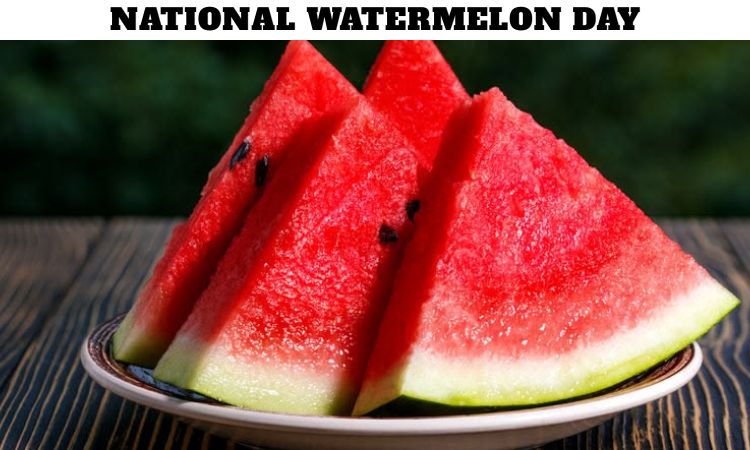
Every year on August 3, people across the United States celebrate National Watermelon Day, a fun and refreshing occasion dedicated to one of the world’s most beloved summer fruits. Watermelon has become a symbol of sunshine, family gatherings, outdoor picnics, and healthy eating. Its sweet taste, vibrant red flesh, and high water content make it the perfect fruit to enjoy during the hottest days of the year. National Watermelon Day encourages people to appreciate not only the delicious flavor of watermelon but also its nutritional value, cultural importance, and versatility in cooking. Whether enjoyed fresh, blended into smoothies, added to fruit salads, or grilled for a unique twist, watermelon continues to be a favorite choice for millions of people. This special day is an opportunity to learn about the fruit’s fascinating history while enjoying it in creative and healthy ways.
What Is National Watermelon Day?
National Watermelon Day is observed annually on August 3 to celebrate the refreshing fruit that has become synonymous with summer. Although the exact origin of the holiday remains unknown, it has grown in popularity through social media, community events, grocery promotions, and family celebrations. The day reminds people to enjoy seasonal fruits while recognizing watermelon as one of the healthiest and most hydrating foods available.
Watermelon belongs to the cucumber family, scientifically known as Citrullus lanatus. Despite often being called a fruit, it is also considered a vegetable by some agricultural experts because it is cultivated similarly to cucumbers and squash. Regardless of classification, watermelon remains one of the most widely consumed fruits around the globe.
National Watermelon Day has evolved into more than simply eating slices of watermelon. Many communities organize watermelon-eating contests, seed-spitting competitions, cooking demonstrations, educational activities for children, and local farmers’ market events. Families also celebrate by preparing refreshing recipes that highlight the fruit’s naturally sweet flavor.
Why Is Watermelon So Popular Around the World?
Watermelon has earned worldwide popularity because it offers the perfect combination of taste, nutrition, affordability, and versatility. During warm weather, few fruits are as refreshing as a chilled slice of watermelon. Since the fruit consists of approximately 92 percent water, it naturally helps people stay hydrated during summer.
Its sweet flavor appeals to children and adults alike, while its low calorie content makes it an excellent option for individuals following a healthy diet. Watermelon can easily be incorporated into breakfasts, desserts, beverages, salads, and even savory dishes.
Farmers appreciate watermelon because it grows well in warm climates, producing large fruits that can feed multiple people. Consumers value its nutritional benefits, making it a staple in grocery stores throughout the summer season.
How Did Watermelon Originate?
The history of watermelon stretches back thousands of years. Historians believe watermelon originated in Africa, where wild varieties grew naturally. Ancient Egyptians cultivated watermelon more than 5,000 years ago, and archaeological discoveries have even found watermelon seeds inside Egyptian tombs, including that of King Tutankhamun.
As trade routes expanded, watermelon spread throughout Europe, Asia, and eventually the Americas. By the 16th century, European explorers had introduced watermelon to North America, where it quickly became a popular crop due to its ability to thrive in warm climates.
Today, watermelon is cultivated across many countries, including the United States, China, India, Turkey, Brazil, and Egypt. China currently produces the largest quantity of watermelons globally, while the United States remains one of the leading consumers during the summer months.
Why Is Watermelon Considered One of the Healthiest Summer Fruits?
Watermelon is widely recognized as one of the healthiest fruits because it combines hydration with essential vitamins and antioxidants. A single serving provides vitamins A and C, which support healthy skin, vision, and immune function. The fruit also contains potassium, magnesium, and small amounts of several B vitamins.
One of watermelon’s most valuable nutrients is lycopene, a powerful antioxidant responsible for its bright red color. Researchers have studied lycopene for its potential role in supporting heart health and protecting cells from oxidative stress. Watermelon also contains citrulline, an amino acid that may contribute to healthy blood circulation and exercise recovery.
Because watermelon is naturally low in fat and calories, it fits well into balanced diets. The fruit satisfies sweet cravings without excessive sugar compared to many processed desserts.
How Can You Celebrate National Watermelon Day?
National Watermelon Day provides countless opportunities for fun and creativity. Many families begin the day by serving chilled watermelon slices during breakfast or lunch. Others prepare homemade fruit salads featuring watermelon alongside berries, grapes, pineapple, and kiwi.
Hosting a backyard picnic is another excellent way to celebrate. Fresh watermelon pairs perfectly with grilled foods, sandwiches, and refreshing beverages. Some people enjoy making watermelon smoothies, frozen popsicles, sorbets, or juices for a cooling summer treat.
Children often enjoy watermelon carving activities where the fruit becomes decorative baskets, animals, or creative centerpieces. Communities sometimes organize seed-spitting contests, relay races, and watermelon-eating competitions that bring neighbors together.
Supporting local farmers by purchasing fresh seasonal watermelon from nearby markets is another meaningful way to observe the day while encouraging local agriculture.
What Are Some Interesting Facts About Watermelon?
Watermelon is full of surprising facts that make National Watermelon Day even more interesting. Watermelon is both a fruit and, according to some agricultural definitions, a vegetable. More than 1,200 varieties of watermelon are grown around the world. While the familiar red watermelon remains the most popular, yellow, orange, and even white-fleshed varieties also exist.
The world’s heaviest watermelon weighed more than 350 pounds. Seedless watermelons are not genetically modified; they are created through traditional plant breeding techniques. Every part of the watermelon is edible, including the rind and seeds. In many cultures, watermelon rind is pickled, while roasted watermelon seeds are enjoyed as nutritious snacks.
Watermelon flowers rely heavily on bees for pollination, making pollinators essential for successful fruit production.
Why Does Watermelon Play Such an Important Role During Summer?
Summer and watermelon have become closely connected because the fruit naturally matures during warm weather. Families often associate watermelon with vacations, beach trips, barbecues, Independence Day celebrations, sporting events, and neighborhood gatherings.
Its high water content makes it one of the most effective natural foods for staying hydrated during hot temperatures. Athletes frequently include watermelon in post-workout meals because it helps replenish fluids while providing natural carbohydrates and electrolytes.
The fruit’s vibrant appearance also adds color and freshness to seasonal meals, making it a favorite centerpiece for summer entertaining.
Can Watermelon Be Used in More Than Just Desserts?
Although watermelon is often enjoyed as a dessert, it is surprisingly versatile in savory recipes. Chefs frequently pair watermelon with feta cheese, mint, cucumber, basil, balsamic glaze, or grilled meats to create refreshing salads.
Watermelon salsa has become increasingly popular as a topping for grilled fish and chicken. Blended watermelon juice forms the base for mocktails and cocktails alike. Frozen watermelon cubes can replace ice cubes in beverages while adding natural sweetness.
Even watermelon rind has culinary value. Many home cooks pickle the rind, stir-fry it with vegetables, or transform it into jams and preserves. This reduces food waste while making full use of the fruit.
What Makes National Watermelon Day Worth Celebrating Every Year?
National Watermelon Day is more than a celebration of a delicious fruit. It encourages healthy eating, family togetherness, appreciation for local farmers, and enjoyment of seasonal produce. The day reminds people that simple pleasures often create lasting memories, whether sharing watermelon slices at a picnic, preparing refreshing recipes at home, or participating in community events.
As awareness of healthy lifestyles continues to grow, watermelon remains an excellent example of nutritious food that is both affordable and enjoyable. Its long history, global popularity, and impressive health benefits ensure that National Watermelon Day continues to be celebrated by people of all ages.
Whether you prefer classic red watermelon, golden varieties, seedless options, or creative watermelon recipes, August 3 offers the perfect opportunity to appreciate one of nature’s sweetest gifts. Sharing watermelon with family, friends, and neighbors transforms an ordinary summer day into a refreshing celebration that highlights health, happiness, and the simple joy of seasonal food.
Frequently Asked Questions (FAQs)
1. When is National Watermelon Day celebrated?
National Watermelon Day is celebrated every year on August 3.
2. Why is National Watermelon Day celebrated?
It celebrates the popularity, nutritional benefits, and refreshing taste of watermelon during the summer season.
3. Where did watermelon originate?
Watermelon is believed to have originated in Africa before spreading around the world.
4. Is watermelon good for hydration?
Yes. Watermelon contains about 92% water, making it an excellent fruit for staying hydrated.
5. Is watermelon healthy?
Yes. It provides vitamins A and C, lycopene, potassium, and antioxidants while being low in calories.
6. Can watermelon be used in savory dishes?
Yes. It is commonly used in salads, salsas, grilled recipes, and appetizers.
7. Are seedless watermelons genetically modified?
No. Seedless watermelons are produced through traditional plant breeding methods.
8. Can you eat watermelon seeds and rind?
Yes. Both are edible and are used in various recipes around the world.
9. What are some fun ways to celebrate National Watermelon Day?
Enjoy fresh watermelon, host a picnic, prepare watermelon recipes, participate in eating contests, or visit a local farmers’ market.
10. Which countries produce the most watermelons?
China is the world’s largest producer, followed by countries such as India, Turkey, Brazil, and Egypt.