
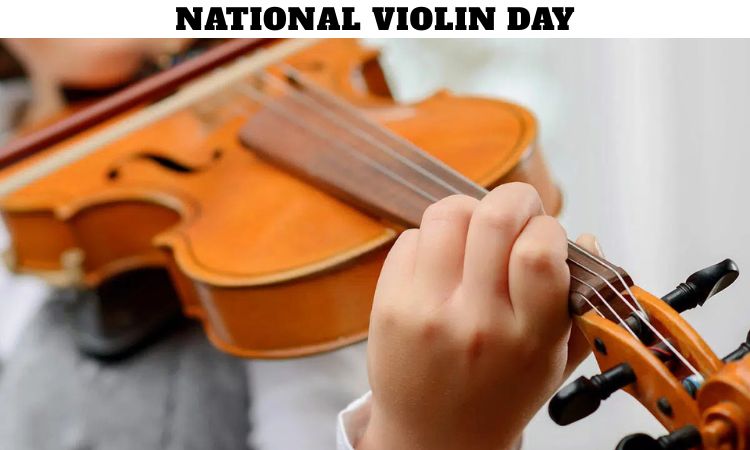
National Violin Day on December 13 is a powerful tribute to one of the world’s most influential, emotive, and historically rich musical instruments—the violin. On this special day, we honor the breathtaking craftsmanship, expressive musical depth, cultural impact, and remarkable legacy that the violin has bestowed upon generations of musicians and admirers. From classical symphonies to modern film scores and folk traditions across the globe, the violin remains a timeless symbol of passion, elegance, and artistic mastery.
The History and Evolution of the Violin
The violin’s journey dates back to the early 16th century in Northern Italy, where master luthiers shaped the design that would become the foundation of the modern instrument. Crafted meticulously from spruce, maple, and ebony, the violin evolved through centuries of innovation.
The Birth of the Modern Violin
The first known violins appeared around the 1520s, crafted by Italian artisans such as Andrea Amati. His designs became the gold standard and later influenced legendary luthiers including:
Antonio Stradivari
Giuseppe Guarneri
Nicolò Amati
These masters perfected the violin’s structure, sound projection, and resonance, producing instruments that today are priceless cultural treasures.
The Violin Across Continents
Over time, the violin gained widespread popularity across Europe, then globally, becoming central to genres like:
Classical music
Jazz
Folk and bluegrass
Indian classical
Film and orchestral compositions
Contemporary pop and fusion
Its versatility has made it one of the most played musical instruments in history.
Why We Celebrate National Violin Day?
National Violin Day celebrates the violin’s incredible influence in shaping the world of music. This day honors musicians, composers, educators, students, and craftsmen who dedicate themselves to preserving the violin’s legacy.
Honoring Artistic Excellence
The violin is often considered the instrument closest to the human voice. Its emotional range—from delicate whispers to powerful crescendos—captures the heart like no other. This day acknowledges the mastery and dedication required to learn, teach, and perform with the violin.
Preserving Cultural Heritage
Whether it’s a classical concerto, a rustic folk tune, or a soulful solo, violins represent culture, emotion, and storytelling. National Violin Day encourages us to honor this heritage and pass it on to future generations.
The Structure and Craftsmanship Behind a Violin
The violin’s beauty lies not just in its sound, but also in its exquisite craftsmanship. Every curve, wood layer, and finish affects the tone and resonance.
Key Components of a Violin
Body – Crafted from spruce and maple, responsible for tone production
Fingerboard – Made of ebony, allowing smooth and precise finger movement
Strings – Originally gut, now often steel or synthetic
Bow – Traditionally, pernambuco wood, used to create the violin’s signature sound
Master violin-makers may spend months creating a single instrument, ensuring every detail enhances sound quality and longevity.
Famous Violinists Who Redefined Music
Across centuries, extraordinary violinists have transformed the world of music with their talent and innovation.
Classical Legends
Niccolò Paganini – Known for his supernatural technical skills
Itzhak Perlman – One of the greatest violinists of modern times
Jascha Heifetz – Renowned for flawless technique and emotional depth
Anne-Sophie Mutter – A modern virtuoso with global acclaim
Contemporary Icons
Lindsey Stirling – Blending violin with dance and electronic pop
Hilary Hahn – Known for precision, grace, and emotional artistry
Joshua Bell – Celebrated for performances across genres
These musicians embody the talent and passion celebrated on National Violin Day.
How to Celebrate National Violin Day on December 13?
There are countless meaningful ways to celebrate the beauty and power of the violin.
1. Attend a Live Violin Performance
Local orchestras, music schools, and cultural events often hold winter concerts in December. It’s the perfect opportunity to immerse yourself in violin music.
2. Explore Classical and Modern Violin Music
Whether you enjoy Bach, Tchaikovsky, Paganini, or modern violin fusion, spend the day listening to the violin’s vast musical range.
3. Learn to Play the Violin
Starting violin lessons—regardless of age—is a wonderful way to honor this day. Many online platforms and instructors offer beginner-friendly sessions.
4. Support Violin Makers and Local Musicians
Celebrate by purchasing handcrafted instruments, bows, or accessories. Supporting artisans helps preserve this centuries-old craft.
5. Watch Documentaries or Films About Violinists
Explore the lives of legendary violinists through documentaries that offer inspiration, history, and emotional storytelling.
The Violin in Modern Music and Pop Culture
Today, the violin is not confined to classical orchestras. It plays a powerful role in modern genres such as:
Pop
Rock
EDM
Indie
Cinematic soundtracks
Artists like Lindsay Stirling, Black Violin, and David Garrett have brought the violin into modern pop culture, introducing new generations to its charm.
The Violin in Films
From Hollywood blockbusters to international cinema, violins enhance emotional storytelling. Iconic film scores—like Schindler’s List, The Red Violin, and In the Mood for Love—feature unforgettable violin compositions.
Interesting Facts About the Violin
A Stradivarius violin can sell for more than $15 million.
Violins consist of over 70 individual pieces of wood.
The earliest violins had three strings, not four.
Violins are often referred to as fiddles in folk and bluegrass music.
A well-maintained violin can last for centuries.
These facts highlight the instrument’s history, artistry, and value celebrated on National Violin Day.
Why National Violin Day Matters?
This day holds significance not only for musicians but also for anyone who appreciates art, culture, and craftsmanship. The violin has shaped melodies, emotions, and traditions for over 500 years. Celebrating National Violin Day on December 13 ensures its legacy continues to inspire and elevate future generations.
Conclusion
National Violin Day is a powerful tribute to an instrument that connects history, culture, and the human spirit. From classical masterpieces to modern fusion genres, the violin continues to captivate audiences worldwide. On December 13, we honor its legacy, its creators, and the musicians who dedicate their lives to mastering its exquisite sound.