

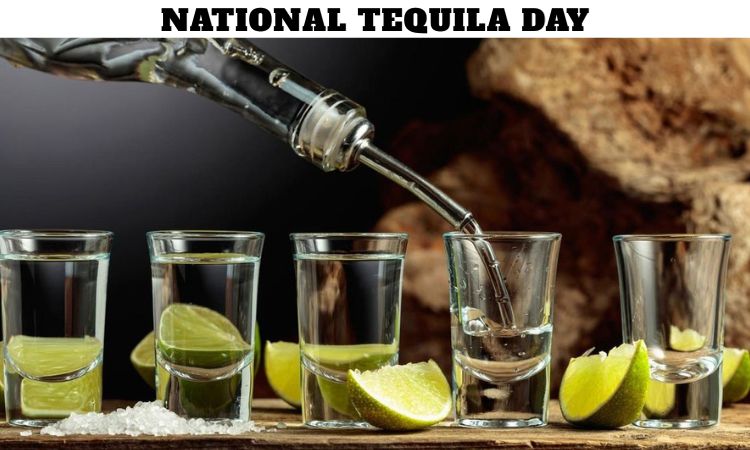
What Is National Tequila Day?
National Tequila Day is celebrated every year on July 24 to recognize one of the world’s most iconic distilled spirits. Known for its rich heritage, distinctive flavor, and deep connection to Mexican culture, tequila has become a favorite drink for millions of people across the globe. Whether enjoyed neat, on the rocks, or mixed into refreshing cocktails like margaritas and palomas, tequila has earned a special place in celebrations, festivals, and social gatherings.
The day is not just about raising a glass but also about appreciating the craftsmanship, tradition, and agricultural expertise involved in producing authentic tequila. Every bottle represents years of dedication, from cultivating blue agave plants to the careful distillation and aging process that creates its unique taste. National Tequila Day encourages enthusiasts to learn more about this celebrated spirit while promoting responsible enjoyment.
Why Is National Tequila Day Celebrated?
National Tequila Day is celebrated to honor tequila’s remarkable history and growing popularity around the world. While many people associate tequila with parties and celebrations, it is also a product with cultural significance and protected origins. Authentic tequila can only be produced in specific regions of Mexico, primarily the state of Jalisco, under strict regulations that preserve its quality and authenticity.
The celebration recognizes the generations of farmers, distillers, and artisans who have perfected tequila production over centuries. It also highlights the importance of the blue agave plant, which takes several years to mature before it can be harvested for tequila production. By dedicating a day to tequila, enthusiasts gain an opportunity to appreciate the heritage behind every bottle while enjoying it responsibly with family and friends.
How Did Tequila Become One of the World’s Most Popular Spirits?
Tequila’s journey began hundreds of years ago when indigenous communities in Mexico fermented the sap of agave plants into traditional beverages. After Spanish settlers introduced distillation techniques during the colonial period, tequila gradually evolved into the spirit recognized today. Over time, improved production methods and international demand helped tequila gain worldwide recognition.
Modern tequila is crafted using blue agave plants that typically require six to eight years to reach maturity. Skilled workers harvest the agave hearts, known as piñas, before they are cooked, crushed, fermented, distilled, and sometimes aged in oak barrels. Each stage contributes to the final flavor profile, resulting in everything from crisp blanco tequila to smooth añejo varieties.
As cocktail culture expanded globally, tequila found a permanent place in bars and restaurants. Signature drinks such as margaritas, tequila sunrises, and palomas introduced new audiences to the spirit, making it one of the fastest-growing categories in the global beverage industry.
What Makes Authentic Tequila Unique?
Authentic tequila stands apart because of its strict production standards. It must be produced from blue agave plants grown in designated regions of Mexico. These regulations ensure that every bottle labeled as tequila meets quality standards and maintains its distinctive characteristics.
The flavor of tequila depends on several factors, including soil conditions, climate, harvesting methods, fermentation techniques, and aging processes. Blanco tequila offers fresh and vibrant agave flavors, while reposado tequila is aged in barrels for several months, creating a smoother taste with hints of vanilla and oak. Añejo tequila spends at least one year in barrels, developing deeper caramel, spice, and woody notes. Extra añejo tequila, aged for more than three years, offers exceptional complexity comparable to premium whiskies.
These different styles allow enthusiasts to choose tequila that matches their preferences, whether they enjoy bold cocktails or sipping premium spirits slowly.
How Can You Celebrate National Tequila Day?
National Tequila Day provides countless opportunities to celebrate responsibly. Many people gather with friends to prepare classic tequila cocktails or sample different tequila varieties through tasting sessions. Restaurants and bars often introduce special menus featuring tequila-based beverages paired with Mexican-inspired cuisine.
Hosting a themed dinner at home is another enjoyable way to mark the occasion. Traditional dishes such as tacos, enchiladas, grilled seafood, guacamole, and fresh salsa pair exceptionally well with tequila. Adding fresh citrus fruits and homemade cocktail ingredients can elevate the overall experience.
Some enthusiasts use the day as an opportunity to learn more about tequila production by watching documentaries, reading about Mexican traditions, or attending educational tasting events. Others visit tequila distilleries in Mexico to experience the production process firsthand.
Regardless of how the day is celebrated, moderation and responsible drinking should always remain the top priority.
What Are the Different Types of Tequila?
Understanding tequila varieties enhances appreciation for this celebrated spirit. Blanco tequila is bottled shortly after distillation, offering the purest expression of cooked agave flavors. It is commonly used in cocktails because of its crisp and refreshing profile.
Reposado tequila is aged in oak barrels for a period ranging from two months to one year. This aging process softens the spirit while introducing subtle notes of vanilla, caramel, and spice.
Añejo tequila spends at least one year aging in barrels, resulting in a richer, smoother, and more complex flavor. Many enthusiasts prefer sipping añejo neat to fully appreciate its depth.
Extra añejo tequila represents the premium end of the category. Aged for more than three years, it develops luxurious flavors that appeal to collectors and connoisseurs seeking a refined drinking experience.
What Are the Most Popular Tequila Cocktails?
Tequila serves as the foundation for numerous cocktails enjoyed worldwide. The margarita remains the most famous, combining tequila with lime juice and orange liqueur to create a refreshing balance of sweetness and acidity.
The paloma is another popular favorite made with tequila and grapefruit soda, delivering a crisp and refreshing flavor perfect for warm weather. Tequila sunrise combines tequila with orange juice and grenadine to create a visually stunning layered drink.
More adventurous drinkers often experiment with spicy margaritas, tequila mojitos, tequila mules, and fruit-infused cocktails featuring watermelon, mango, pineapple, or passion fruit. These creative combinations showcase tequila’s remarkable versatility while appealing to a wide range of taste preferences.
What Interesting Facts Should You Know About Tequila?
Tequila offers many fascinating facts that surprise even longtime enthusiasts. Authentic tequila can only be produced in designated regions of Mexico under strict legal guidelines. The blue agave plant is actually a succulent rather than a cactus, despite common misconceptions.
A single agave plant may take nearly a decade to mature before it is harvested. Once harvested, it cannot produce another crop, making sustainable cultivation especially important. Premium tequila made from 100% blue agave is generally considered higher quality than products containing blended sugars.
Contrary to popular belief, not every bottle of tequila contains a worm. The worm is associated with some bottles of mezcal, a different agave-based spirit. Although tequila and mezcal share similarities, they are produced using different methods and can have distinctly different flavor profiles.
Why Is Responsible Drinking Important on National Tequila Day?
National Tequila Day encourages enjoyment, but responsible drinking remains essential. Consuming alcohol in moderation helps ensure that celebrations remain safe and enjoyable for everyone involved. Drinking water between alcoholic beverages, eating nutritious meals beforehand, and avoiding drinking on an empty stomach are all sensible practices.
Anyone planning to consume alcohol should arrange safe transportation by using designated drivers, taxis, or rideshare services. Individuals who are under the legal drinking age, pregnant, taking certain medications, or advised against alcohol consumption should avoid drinking altogether.
Celebrating responsibly allows everyone to appreciate tequila’s cultural heritage while protecting personal health and public safety.
How Does National Tequila Day Bring People Together?
National Tequila Day is ultimately about connection, appreciation, and celebration. Friends gather for meals, families explore Mexican cuisine, and communities host themed events that showcase food, music, and traditional beverages. The occasion encourages cultural appreciation by highlighting Mexico’s contributions to global culinary traditions.
Beyond the drinks themselves, the day serves as a reminder of the agricultural expertise, craftsmanship, and centuries-old traditions behind every bottle of authentic tequila. Learning about these traditions fosters greater respect for the people and regions that continue to preserve tequila’s legacy.
Whether someone enjoys a handcrafted margarita, samples premium aged tequila, or simply learns about its fascinating history, National Tequila Day offers an opportunity to celebrate one of the world’s most recognizable spirits in a thoughtful and responsible manner.
National Tequila Day, observed annually on July 24, celebrates far more than a popular alcoholic beverage. It honors centuries of tradition, the dedication of Mexican agave farmers and distillers, and the craftsmanship that transforms blue agave into one of the world’s most beloved spirits. From exploring different tequila varieties to enjoying classic cocktails and authentic Mexican cuisine, there are countless ways to appreciate the occasion. Most importantly, the day reminds everyone to celebrate responsibly while recognizing the rich cultural heritage that has made tequila a global symbol of craftsmanship, flavor, and celebration.
Frequently Asked Questions (FAQs)
1. When is National Tequila Day celebrated?
National Tequila Day is celebrated every year on July 24.
2. What is National Tequila Day?
It is an annual observance dedicated to celebrating tequila, its history, production, and cultural significance.
3. Where does authentic tequila come from?
Authentic tequila is produced in designated regions of Mexico, primarily in the state of Jalisco.
4. What plant is used to make tequila?
Tequila is made from the blue agave plant.
5. What are the main types of tequila?
The primary types are Blanco, Reposado, Añejo, and Extra Añejo.
6. What is the most popular tequila cocktail?
The Margarita is widely considered the world’s most popular tequila cocktail.
7. Is tequila the same as mezcal?
No. Although both are agave-based spirits, they differ in production methods, regions, and flavor profiles.
8. Can National Tequila Day be celebrated without drinking alcohol?
Yes. Many people celebrate by learning about tequila’s history, enjoying Mexican cuisine, or attending cultural events.
9. How long does blue agave take to mature?
Blue agave generally takes between six and eight years, and sometimes longer, to reach maturity.
10. Why is responsible drinking emphasized on National Tequila Day?
Responsible drinking helps ensure celebrations remain safe, enjoyable, and respectful while reducing health and safety risks.