

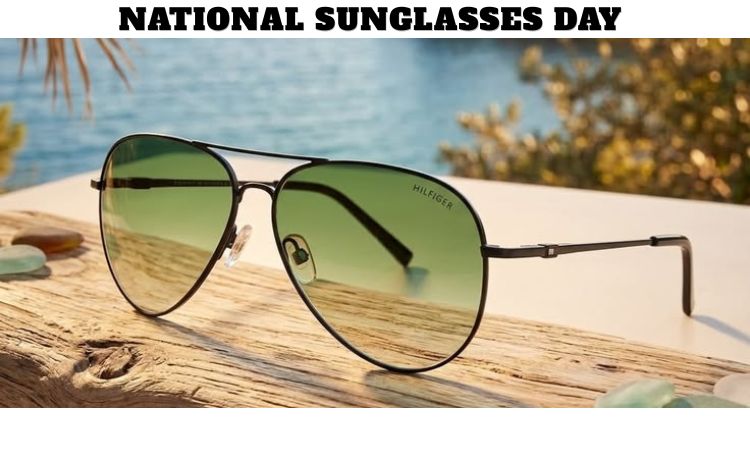
What Is National Sunglasses Day and Why Is It Celebrated on June 27?
National Sunglasses Day, celebrated annually on June 27, is dedicated to recognizing the importance of sunglasses in protecting eye health while also celebrating their role as a timeless fashion accessory. Observed during the peak of summer in many regions, the day raises awareness about the harmful effects of ultraviolet (UV) radiation and encourages people to wear sunglasses that provide adequate protection.
Sunglasses have evolved far beyond their original purpose of reducing glare. Today, they are considered essential for maintaining eye health, preventing long-term vision damage, and enhancing comfort in bright outdoor environments. National Sunglasses Day serves as a reminder that eye protection should be a daily habit rather than an occasional choice.
The observance also highlights the diverse styles, technologies, and innovations that have transformed sunglasses into one of the world’s most popular accessories. Whether worn for health reasons, athletic performance, or personal style, sunglasses continue to play an important role in everyday life.
How Did National Sunglasses Day Begin?
National Sunglasses Day was established to educate the public about the importance of wearing sunglasses that effectively block harmful UV rays. As awareness of eye health issues increased, organizations within the optical industry recognized the need to promote protective eyewear and encourage year-round use.
The observance gained popularity as eye care professionals emphasized that prolonged exposure to ultraviolet radiation could contribute to serious eye conditions. Public health campaigns and educational initiatives further reinforced the message that sunglasses are not merely fashion items but essential protective tools.
Over the years, National Sunglasses Day has evolved into a widely recognized observance celebrated by eye care specialists, retailers, fashion enthusiasts, and consumers worldwide. The day continues to emphasize both eye safety and personal style.
Why Are Sunglasses Important for Eye Health?
Sunglasses are important because they protect the eyes from harmful ultraviolet radiation emitted by the sun. Excessive exposure to UV rays can increase the risk of various eye conditions and contribute to long-term vision problems.
High-quality sunglasses help shield the eyes from both UVA and UVB rays. Continuous exposure to these rays may increase the likelihood of developing cataracts, macular degeneration, photokeratitis, and other forms of eye damage.
Sunglasses also reduce glare, which can improve visual comfort and reduce eye strain during outdoor activities. Individuals who spend extended periods outdoors, drive frequently, or participate in sports particularly benefit from wearing protective eyewear.
By incorporating sunglasses into daily routines, individuals can take a simple yet effective step toward preserving long-term eye health.
What Harm Can Ultraviolet Radiation Cause to the Eyes?
Ultraviolet radiation poses several potential risks to eye health. Although many people recognize the dangers of UV exposure to the skin, the eyes are equally vulnerable.
Short-term exposure to intense UV radiation may lead to photokeratitis, a painful condition sometimes described as sunburn of the eye. Symptoms can include redness, tearing, blurred vision, and sensitivity to light.
Long-term exposure may contribute to more serious conditions, including:
- Cataracts
- Macular degeneration
- Pterygium growth
- Retinal damage
- Premature aging of eye tissues
- Increased sensitivity to light
Children and young adults are particularly susceptible because they often spend considerable time outdoors. National Sunglasses Day emphasizes the importance of adopting protective habits early in life.
How Have Sunglasses Evolved Throughout History?
The history of sunglasses dates back centuries. Early forms of eye protection were used by ancient civilizations to reduce glare and improve visibility.
Historical evidence suggests that Inuit peoples crafted protective eyewear from materials such as ivory and bone to shield their eyes from intense sunlight reflected off snow. In ancient China, judges reportedly used lenses made from smoky quartz to conceal facial expressions during court proceedings.
Modern sunglasses began gaining popularity during the twentieth century as advances in lens technology improved functionality and comfort. Hollywood films and celebrity culture further transformed sunglasses into iconic fashion statements.
Technological innovations have continued to enhance sunglasses through features such as polarized lenses, photochromic coatings, impact resistance, and advanced UV protection.
Today, sunglasses combine style, comfort, and eye safety in ways unimaginable to earlier generations.
What Features Should People Look for When Choosing Sunglasses?
Selecting the right sunglasses involves more than choosing an attractive frame. Eye care professionals recommend prioritizing protective features that safeguard vision.
Important factors to consider include:
- One hundred percent UVA and UVB protection
- Adequate lens coverage
- Comfortable fit
- Durable frame construction
- Lens quality
- Impact resistance
- Reduced glare capabilities
Polarized lenses are particularly beneficial for reducing glare reflected from surfaces such as water, roads, and snow. These lenses can improve visual clarity and comfort during activities like driving, boating, and outdoor recreation.
Wraparound styles may offer additional protection by limiting sunlight exposure from the sides.
National Sunglasses Day encourages consumers to choose sunglasses based on protective qualities rather than appearance alone.
Why Are Polarized Sunglasses Popular?
Polarized sunglasses have become increasingly popular because they significantly reduce glare. Glare occurs when sunlight reflects off flat surfaces such as water, pavement, glass, or snow.
Polarized lenses contain a special filter that blocks horizontally reflected light, improving visibility and reducing eye strain. This feature enhances contrast and provides clearer vision in bright conditions.
Outdoor enthusiasts frequently prefer polarized lenses for activities including:
- Fishing
- Boating
- Driving
- Cycling
- Hiking
- Skiing
- Beach activities
Although polarized lenses offer substantial comfort benefits, they may not be ideal in every situation. Certain digital displays and instrument panels can appear distorted when viewed through polarized lenses.
Nevertheless, their ability to reduce glare makes them a popular choice among consumers seeking improved visual performance.
How Do Sunglasses Influence Fashion and Personal Style?
Sunglasses have long been associated with fashion, individuality, and self-expression. Throughout history, celebrities, athletes, and public figures have influenced eyewear trends and popularized iconic styles.
Different frame designs allow individuals to complement facial features and showcase personal preferences. Styles ranging from aviators and wayfarers to oversized and round frames remain enduring fashion staples.
Sunglasses often reflect cultural trends and evolving design aesthetics. Luxury brands, sports manufacturers, and independent designers continually introduce innovative materials, colors, and shapes.
For many people, sunglasses represent a combination of practicality and style. National Sunglasses Day celebrates this unique balance by recognizing both the protective and fashionable aspects of eyewear.
How Can People Celebrate National Sunglasses Day?
National Sunglasses Day offers numerous opportunities to promote eye health and appreciate stylish eyewear.
Popular ways to celebrate include:
- Wearing sunglasses outdoors
- Scheduling comprehensive eye examinations
- Learning about UV protection
- Purchasing high-quality protective eyewear
- Replacing damaged sunglasses
- Educating children about eye safety
- Exploring new sunglass styles
- Sharing eye health awareness information
- Participating in community events
- Encouraging family members to wear sunglasses regularly
Educational institutions, optical retailers, and healthcare professionals often organize awareness campaigns to highlight the importance of eye protection.
The day serves as a valuable reminder that preventive measures can significantly contribute to lifelong vision health.
Why Should Children Wear Sunglasses?
Children are particularly vulnerable to ultraviolet radiation because their eyes allow more UV light to reach internal structures. Since children often spend substantial time outdoors, consistent eye protection is essential.
Establishing healthy habits during childhood can help reduce cumulative UV exposure over a lifetime. Sunglasses designed specifically for children offer appropriate fit, durability, and protection.
Parents and caregivers are encouraged to ensure that children’s sunglasses provide complete UV protection and fit comfortably. Combining sunglasses with hats and shade-seeking behaviors offers additional protection.
National Sunglasses Day emphasizes that safeguarding eye health should begin early and continue throughout life.
Why Is Eye Protection Necessary Throughout the Year?
Many people mistakenly believe sunglasses are necessary only during summer months. However, ultraviolet radiation remains present throughout the year, even on cloudy days.
Snow, sand, water, and concrete can reflect sunlight and intensify UV exposure. Winter sports enthusiasts may experience particularly high exposure due to reflective snow surfaces.
Eye protection is equally important during all seasons and in various environments. Wearing sunglasses consistently helps reduce cumulative UV damage and supports long-term eye health.
National Sunglasses Day reinforces the message that protective eyewear should be viewed as a year-round necessity rather than a seasonal accessory.
What Can We Learn from National Sunglasses Day?
National Sunglasses Day highlights the importance of combining style with health-conscious choices. While sunglasses enhance appearance and comfort, their primary purpose remains protecting the eyes from harmful ultraviolet radiation.
The observance encourages individuals to prioritize high-quality eyewear, develop consistent protective habits, and educate others about eye safety. It also underscores the broader importance of preventive healthcare and personal responsibility.
By wearing sunglasses regularly, people can enjoy outdoor activities while reducing the risk of long-term vision problems. National Sunglasses Day serves as a timely reminder that protecting our eyes today contributes to healthier vision in the future.
National Sunglasses Day on June 27 celebrates the vital role sunglasses play in preserving eye health and enhancing personal style. From shielding eyes against harmful UV rays to reducing glare and improving visual comfort, sunglasses provide essential benefits for individuals of all ages.
The observance encourages greater awareness of eye safety and promotes informed choices when selecting protective eyewear. Whether participating in outdoor recreation, commuting, or simply enjoying a sunny day, wearing quality sunglasses remains one of the easiest and most effective ways to protect vision for years to come.
Frequently Asked Questions (FAQs)
1. When is National Sunglasses Day celebrated?
National Sunglasses Day is observed annually on June 27.
2. What is the purpose of National Sunglasses Day?
The day promotes awareness about eye protection and encourages people to wear sunglasses that block harmful UV rays.
3. Why are sunglasses important?
Sunglasses protect the eyes from ultraviolet radiation, reduce glare, and improve visual comfort.
4. What type of UV protection should sunglasses provide?
Experts recommend sunglasses that block one hundred percent of both UVA and UVB rays.
5. Are sunglasses necessary on cloudy days?
Yes, ultraviolet rays can penetrate clouds, making eye protection important even on overcast days.
6. What are polarized sunglasses?
Polarized sunglasses contain special filters that reduce glare reflected from surfaces such as water and roads.
7. Can children wear sunglasses?
Yes, children should wear sunglasses with complete UV protection to safeguard developing eyes.
8. Are expensive sunglasses always better?
Not necessarily. The most important feature is adequate UV protection rather than price.
9. Why should people wear sunglasses year-round?
Ultraviolet radiation is present throughout the year, including during winter and cloudy weather.
10. How can people celebrate National Sunglasses Day?
People can celebrate by wearing protective sunglasses, learning about eye health, and encouraging others to protect their vision.