

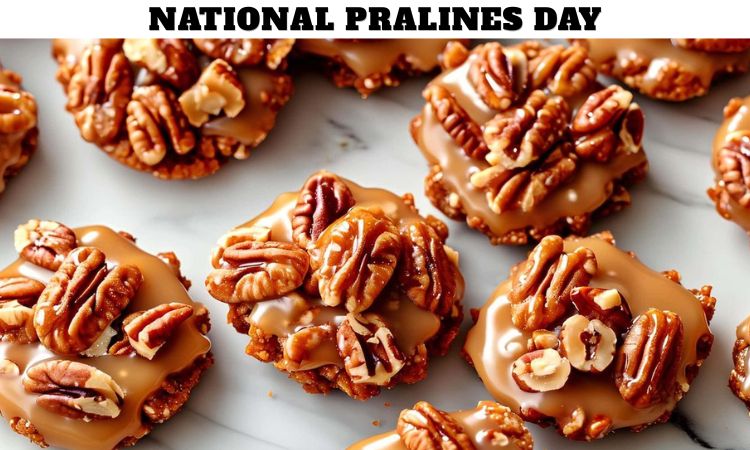
What Is National Pralines Day and Why Is It Celebrated on June 24?
National Pralines Day, celebrated annually on June 24, honors one of the world’s most delicious and beloved confectionery treats: the praline. Known for its rich flavor, nutty texture, and sweet caramelized taste, the praline has delighted dessert lovers for centuries. This special day provides an opportunity for candy enthusiasts, bakers, and food lovers to indulge in pralines while learning about their fascinating history and cultural significance.
Pralines are more than just candies. They represent culinary traditions that have evolved across different countries and regions. From classic French pralines to the creamy Southern-style pralines popular in the United States, these treats have become an important part of dessert culture worldwide.
National Pralines Day encourages people to enjoy homemade or store-bought pralines, experiment with new recipes, and share these sweet delights with family and friends. Whether enjoyed as a snack, dessert topping, or gift, pralines continue to hold a special place in the hearts of candy lovers everywhere.
How Did Pralines Originate?
The history of pralines dates back to seventeenth-century France. According to popular accounts, the original praline was created for César, Duke of Choiseul, Comte du Plessis-Praslin. A chef working for the duke reportedly invented a confection made from almonds coated in caramelized sugar.
The candy eventually became associated with the duke’s name, leading to the term “praline.” Over time, French confectioners refined and popularized the sweet throughout Europe.
As French settlers migrated to other parts of the world, they brought their culinary traditions with them. In particular, French colonists who settled in Louisiana adapted the original recipe using locally available ingredients. Pecans replaced almonds, and cream was added, resulting in the soft, creamy Southern praline that remains popular today.
The evolution of pralines demonstrates how culinary traditions can adapt and flourish across cultures and generations.
What Exactly Is a Praline?
A praline is generally defined as a confection made by combining nuts with sugar and often butter or cream. However, the exact composition varies depending on regional traditions.
Traditional French pralines consist of whole almonds or hazelnuts coated in caramelized sugar. These crunchy candies are often eaten on their own or ground into a paste used in pastries and desserts.
American pralines, particularly those associated with the Southern United States, feature pecans mixed with sugar, butter, milk, or cream. The resulting candy has a softer, fudge-like consistency.
Belgian pralines refer to filled chocolates containing soft centers such as ganache, nuts, creams, or liqueurs. This variation has become internationally famous and is often associated with luxury chocolate making.
Despite these differences, all pralines share a common characteristic: a delicious combination of sweetness and nuts.
Why Are Pralines So Popular?
Pralines have remained popular for centuries because they offer a unique blend of flavors and textures. The combination of roasted nuts and caramelized sugar creates a rich taste that appeals to a wide range of palates.
Their versatility also contributes to their popularity. Pralines can be enjoyed as standalone candies, incorporated into baked goods, used as ice cream toppings, or included in gourmet desserts.
The nostalgic and traditional nature of pralines further enhances their appeal. Many families pass down praline recipes through generations, making them an important part of cultural and holiday celebrations.
Additionally, pralines are frequently associated with special occasions and gift-giving. Elegant packaging and artisanal craftsmanship make them popular choices for birthdays, holidays, and celebrations.
National Pralines Day celebrates not only the candy itself but also the cherished memories and traditions connected to it.
How Did Southern Pralines Become Famous?
Southern pralines hold a distinctive place in American culinary history, particularly in Louisiana and the city of New Orleans.
French settlers introduced praline recipes to Louisiana during the colonial period. Since almonds were less readily available in the region, local cooks substituted pecans, which were abundant in the area. They also incorporated cream and butter, creating a softer and creamier candy.
New Orleans became especially famous for its pralines. Street vendors and confectioners sold fresh pralines throughout the city, helping establish them as a signature local delicacy.
Today, visitors to New Orleans often seek out authentic Southern pralines as a must-try culinary experience. The city’s candy shops continue to preserve traditional recipes while introducing innovative variations.
The popularity of Southern pralines reflects the blending of French culinary heritage with local ingredients and traditions.
What Ingredients Are Commonly Used in Pralines?
Although recipes vary by region, several ingredients commonly appear in praline preparation.
Sugar is the primary ingredient, providing sweetness and forming the caramelized base. Brown sugar is often used in Southern pralines to create a richer flavor.
Nuts are another essential component. Almonds, hazelnuts, and pecans are among the most popular choices, although walnuts and other nuts may also be used.
Butter and cream contribute richness and texture, especially in softer praline varieties. Vanilla extract is frequently added to enhance flavor.
Some modern recipes incorporate additional ingredients such as chocolate, maple syrup, sea salt, cinnamon, bourbon, or coconut to create unique taste experiences.
The simplicity of praline ingredients highlights how a few basic components can produce an exceptionally delicious confection.
How Are Pralines Made?
Making pralines requires careful attention and precise timing. The process typically begins by combining sugar, butter, and cream in a saucepan.
The mixture is heated and stirred until it reaches the proper temperature, allowing the sugar to caramelize. Once the desired consistency is achieved, nuts and flavorings are added.
For Southern pralines, the mixture is beaten until it thickens slightly before being spooned onto parchment paper to cool and set.
Traditional French pralines involve coating nuts with caramelized sugar and allowing them to harden.
Although homemade pralines can be challenging for beginners, many candy enthusiasts enjoy the process as a rewarding culinary activity. National Pralines Day offers an excellent opportunity to try making these treats at home.
How Can People Celebrate National Pralines Day?
There are numerous enjoyable ways to celebrate National Pralines Day.
One of the simplest ways is to purchase pralines from local candy shops, bakeries, or specialty stores. Sampling different varieties allows individuals to appreciate the diversity of praline traditions.
Many people choose to prepare homemade pralines using family recipes or new culinary techniques. Baking and candy-making activities can be shared with family members and friends.
Hosting a dessert gathering featuring pralines and other sweet treats provides another festive option. Guests can sample various flavors and learn about the history of pralines.
Food enthusiasts may also celebrate by experimenting with praline-inspired recipes such as cakes, cookies, cheesecakes, ice cream, or pastries.
Sharing pralines as gifts is another thoughtful way to spread sweetness and appreciation on this special day.
What Are Some Popular Variations of Pralines?
Over the years, confectioners have developed numerous praline variations to satisfy evolving tastes.
Chocolate pralines combine traditional candy bases with rich chocolate coatings or fillings. These treats are especially popular in Europe.
Maple pralines incorporate maple syrup for a distinctive sweetness and deeper flavor profile.
Salted caramel pralines balance sweetness with savory notes, creating a sophisticated taste experience.
Some recipes include coconut, espresso, spices, dried fruits, or flavored liqueurs to introduce additional complexity.
Vegan pralines have also gained popularity, utilizing plant-based ingredients while maintaining traditional flavors and textures.
The wide variety of pralines ensures that there is a version to suit nearly every preference.
Why Does National Pralines Day Continue to Matter?
National Pralines Day remains significant because it celebrates both culinary craftsmanship and cultural heritage. Pralines represent centuries of culinary innovation, adaptation, and tradition.
The observance encourages people to appreciate artisanal candy-making skills and explore the historical roots of beloved desserts. It also provides an opportunity to support local confectioners and small businesses that continue to preserve traditional recipes.
Food holidays such as National Pralines Day foster connection through shared experiences. Whether preparing homemade candies, exchanging gifts, or enjoying sweets with loved ones, people create lasting memories centered around food.
As culinary traditions continue to evolve, National Pralines Day ensures that the rich legacy of pralines remains appreciated by future generations. The celebration serves as a delicious reminder of the joy that simple ingredients and timeless recipes can bring.
Frequently Asked Questions (FAQs)
1. When is National Pralines Day celebrated?
National Pralines Day is celebrated every year on June 24.
2. What is a praline?
A praline is a sweet confection typically made from sugar, nuts, and sometimes cream or butter.
3. Where did pralines originate?
Pralines originated in France during the seventeenth century.
4. What nuts are commonly used in pralines?
Almonds, pecans, and hazelnuts are among the most commonly used nuts.
5. Why are Southern pralines different?
Southern pralines use pecans and cream, resulting in a softer, fudge-like texture.
6. Are Belgian pralines the same as Southern pralines?
No. Belgian pralines are filled chocolates, while Southern pralines are nut-based candies.
7. How can I celebrate National Pralines Day?
You can celebrate by making pralines, buying them from local shops, or sharing them with friends and family.
8. Can pralines be made at home?
Yes, homemade pralines are popular and can be prepared using a variety of recipes.
9. Are there different flavors of pralines?
Yes, pralines come in many varieties, including chocolate, maple, salted caramel, and coconut flavors.
10. Why is National Pralines Day important?
The day honors the history, craftsmanship, and cultural significance of pralines.