
Why Is National Pet Choking Prevention Day Celebrated on June 22?
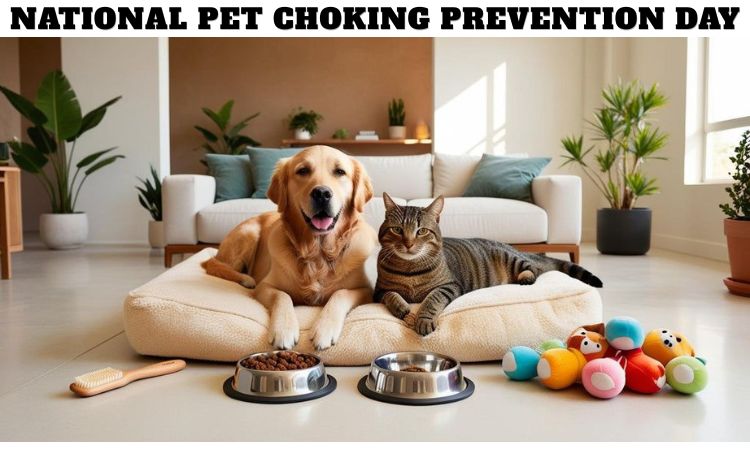
National Pet Choking Prevention Day is observed annually on June 22 to raise awareness about choking hazards that can affect pets and to educate pet owners about prevention and emergency preparedness. Pets, especially curious dogs and cats, often explore their surroundings by chewing, biting, and swallowing objects. While this behavior is natural, it can sometimes lead to dangerous situations when items become lodged in the airway.
The day emphasizes the importance of understanding common choking risks, recognizing warning signs, and taking preventive measures to ensure the safety of companion animals. Many pet emergencies can be avoided through education, supervision, and responsible pet care practices.
National Pet Choking Prevention Day also encourages pet owners to become familiar with basic pet first aid and to establish emergency plans in case choking incidents occur. Quick action during an emergency can significantly improve outcomes and potentially save a pet’s life.
Every June 22, veterinarians, animal organizations, and pet lovers use this observance to promote awareness and encourage safer environments for pets of all ages.
What Is Pet Choking?
Pet choking occurs when an object partially or completely blocks an animal’s airway, making it difficult or impossible to breathe. Choking can affect pets suddenly and may become a life-threatening emergency if immediate action is not taken.
Pets can choke on a wide variety of objects, including toys, bones, treats, household items, food pieces, and other small objects. Dogs are particularly susceptible because they often chew and swallow items quickly without thoroughly chewing them.
Cats can also experience choking incidents, especially if they play with small objects or ingest inappropriate materials. Young animals and pets with strong chewing instincts may face higher risks.
National Pet Choking Prevention Day aims to educate pet owners about these dangers and encourage proactive measures that reduce the likelihood of choking incidents.
Why Is Choking Prevention Important for Pets?
Choking prevention is essential because airway obstructions can rapidly become serious medical emergencies. A blocked airway limits oxygen flow, which can lead to distress, unconsciousness, and severe complications if not addressed promptly.
Many choking incidents occur unexpectedly during everyday activities such as eating, playing, or exploring household environments. Since pets cannot communicate their distress verbally, owners must recognize signs quickly and respond appropriately.
Preventive measures can significantly reduce risks and create safer living environments for pets. Awareness and preparation are important components of responsible pet ownership.
National Pet Choking Prevention Day highlights the importance of prevention as the most effective strategy for protecting pets from choking hazards.
What Are Common Choking Hazards for Pets?
Numerous household items can pose choking risks to pets. Small toys, balls, strings, buttons, coins, batteries, and children’s toys are common examples. Pets may accidentally swallow these objects while playing or investigating their surroundings.
Certain foods can also present hazards. Large food pieces, bones, rawhide products, and hard treats may become lodged in the throat if consumed too quickly.
Household objects such as rubber bands, hair ties, bottle caps, and decorative items may attract curious pets. Seasonal decorations and holiday ornaments can also increase choking risks.
Selecting appropriately sized toys and supervising pets during play are important strategies for minimizing exposure to these hazards.
National Pet Choking Prevention Day encourages pet owners to regularly inspect their homes for potential dangers and remove unsafe items.
How Can Pet Owners Recognize Signs of Choking?
Recognizing the signs of choking can help pet owners respond quickly during an emergency. A choking pet may display sudden distress, pawing at the mouth, difficulty breathing, excessive drooling, or unusual coughing.
Some animals may gag repeatedly or make abnormal breathing sounds. In severe cases, pets may show signs of panic, collapse, or lose consciousness due to insufficient oxygen.
Behavioral changes can also indicate airway obstruction. A pet that suddenly stops playing, eating, or interacting may require immediate attention.
Understanding these warning signs is an important part of emergency preparedness. National Pet Choking Prevention Day promotes awareness so that owners can identify potential emergencies as early as possible.
How Can Pet Owners Reduce Choking Risks at Home?
Creating a safe environment is one of the most effective ways to prevent choking incidents. Pet owners should routinely inspect living spaces and remove small objects that animals might swallow.
Choosing toys that are appropriate for a pet’s size, age, and chewing habits is equally important. Toys that are too small or easily broken can become dangerous if ingested.
Supervising pets while they eat and play helps reduce risk. Some pets eat rapidly, increasing the likelihood of choking. Slow-feeding bowls and controlled feeding practices may help address this behavior.
Regularly examining toys and replacing damaged items can further improve safety. National Pet Choking Prevention Day encourages ongoing vigilance to ensure that homes remain pet-friendly and hazard-free.
Why Is Pet First Aid Knowledge Important?
Pet first aid knowledge equips owners with the skills necessary to respond effectively during emergencies. While professional veterinary care is essential, immediate action during the first few moments of an emergency can be critical.
Understanding basic emergency procedures allows owners to remain calm and provide appropriate assistance until veterinary help becomes available. Preparedness can reduce panic and improve decision-making during stressful situations.
Many organizations offer pet first aid training programs that teach emergency response techniques, injury assessment, and safety procedures. These educational opportunities empower pet owners to care for their animals more confidently.
National Pet Choking Prevention Day encourages pet owners to learn about emergency preparedness and maintain updated veterinary contact information.
How Does Responsible Pet Ownership Improve Safety?
Responsible pet ownership involves providing proper supervision, healthcare, nutrition, and environmental safety. Taking preventive measures demonstrates a commitment to protecting animals from avoidable risks.
Routine veterinary visits contribute to overall health and allow professionals to identify potential issues that could affect a pet’s ability to chew or swallow safely. Dental health, for example, can influence eating behaviors and chewing effectiveness.
Responsible owners also adapt safety practices based on their pet’s age, breed, size, and personality. Puppies, kittens, and highly curious animals may require additional supervision and environmental modifications.
National Pet Choking Prevention Day reinforces the idea that proactive care and informed decision-making contribute significantly to pet safety and well-being.
How Can Communities Support Pet Safety Awareness?
Communities play an important role in promoting pet safety through educational programs, awareness campaigns, and public outreach initiatives. Veterinary clinics, animal shelters, and pet organizations often provide valuable resources for pet owners.
Schools, community centers, and local events can also help spread awareness about common pet hazards and emergency preparedness. Sharing information encourages responsible ownership and helps reduce preventable accidents.
Social media campaigns and public observances provide additional opportunities to educate broader audiences about pet health and safety issues.
National Pet Choking Prevention Day serves as a platform for communities to collaborate in promoting safer environments for companion animals.
How Can Families Celebrate National Pet Choking Prevention Day?
Families can celebrate National Pet Choking Prevention Day by evaluating their homes for potential hazards and making necessary safety improvements. Conducting a pet safety inspection can help identify risks that might otherwise go unnoticed.
Pet owners may also use the day to review emergency contact information, update first aid supplies, and learn more about pet health and safety practices. Educational activities can involve all family members, including children.
Purchasing safe, appropriately sized toys and supervising pets during play are additional ways to observe the day. Families can also schedule wellness visits to discuss safety concerns with veterinary professionals.
National Pet Choking Prevention Day encourages proactive steps that contribute to long-term pet health and safety.
Why Does National Pet Choking Prevention Day Continue to Matter?
National Pet Choking Prevention Day continues to matter because preventable emergencies remain a significant concern for pet owners worldwide. Increased awareness and education can reduce risks and improve emergency response outcomes.
The observance highlights the importance of responsible pet ownership, environmental safety, and preparedness. By understanding common hazards and recognizing warning signs, pet owners can better protect their companions.
Pets are valued members of many families, and their safety is a shared responsibility. Taking simple preventive measures can make a meaningful difference in reducing accidents and enhancing quality of life.
Every June 22, National Pet Choking Prevention Day reminds pet owners that awareness, preparation, and prevention are essential components of keeping beloved animals safe and healthy.
Frequently Asked Questions (FAQs)
1. What is National Pet Choking Prevention Day?
National Pet Choking Prevention Day is an annual observance dedicated to raising awareness about choking hazards affecting pets.
2. When is National Pet Choking Prevention Day celebrated?
It is observed every year on June 22.
3. Why is choking prevention important for pets?
Preventing choking helps protect pets from potentially life-threatening airway obstructions.
4. What are common choking hazards for pets?
Common hazards include small toys, bones, treats, household objects, and food items.
5. Which pets are most at risk of choking?
Dogs, cats, puppies, and curious pets that chew or swallow objects quickly may face higher risks.
6. What are some signs that a pet may be choking?
Signs may include difficulty breathing, coughing, pawing at the mouth, excessive drooling, and distress.
7. How can pet owners reduce choking risks?
Owners can supervise pets, remove hazards, and provide appropriately sized toys and treats.
8. Why is pet first aid training helpful?
Pet first aid training prepares owners to respond effectively during emergencies.
9. How can families celebrate National Pet Choking Prevention Day?
Families can inspect their homes for hazards, review emergency plans, and learn more about pet safety.
10. Why does National Pet Choking Prevention Day matter?
The day promotes awareness, prevention, and preparedness to help keep pets safe.