

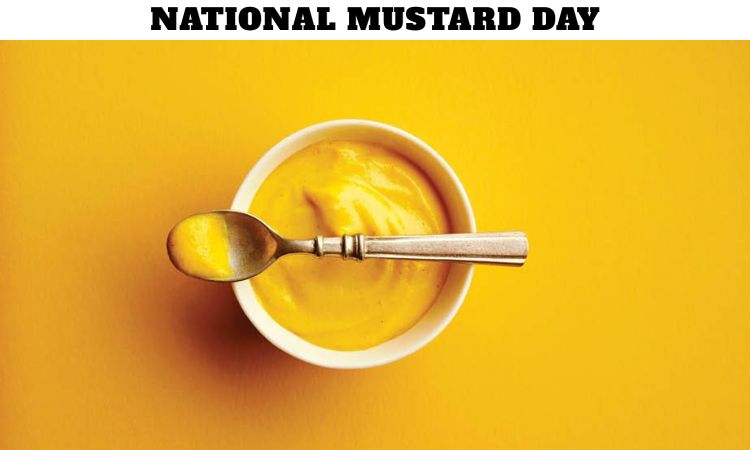
What Is National Mustard Day?
National Mustard Day is celebrated every year on August 2 to honor one of the world’s oldest and most popular condiments. Whether spread on a hot dog, served alongside pretzels, mixed into salad dressings, or used as an ingredient in gourmet recipes, mustard has earned a permanent place in kitchens across the globe. This unique food holiday recognizes the rich history, incredible versatility, and cultural significance of mustard while encouraging people to experiment with different varieties and recipes.
Mustard is far more than just a yellow condiment found in squeeze bottles. It comes in hundreds of varieties, ranging from spicy brown mustard and Dijon mustard to whole-grain mustard and sweet honey mustard. Every region has developed its own interpretation of mustard, making it one of the most diverse condiments available today. National Mustard Day celebrates this diversity and gives food lovers an opportunity to appreciate the flavors that mustard brings to everyday meals.
Food enthusiasts, chefs, restaurants, and mustard manufacturers often participate in National Mustard Day by organizing tasting events, cooking demonstrations, recipe contests, and promotional activities. The day also reminds people about mustard’s fascinating journey from ancient civilizations to modern dining tables.
Why Is National Mustard Day Celebrated?
National Mustard Day exists because mustard has played an important role in culinary traditions for thousands of years. Historians believe mustard seeds have been cultivated for over 5,000 years, making mustard one of humanity’s oldest known spices. Ancient Egyptians included mustard seeds in tombs, while the Romans are credited with creating an early version of prepared mustard by mixing crushed seeds with grape juice.
As mustard spread throughout Europe during the Middle Ages, it became an essential ingredient in cooking and food preservation. French regions such as Dijon became famous for producing premium-quality mustard, while Germany developed its own distinctive spicy varieties. Over time, mustard reached North America and quickly became a household staple.
National Mustard Day celebrates this remarkable culinary legacy while encouraging consumers to discover new flavors and appreciate the craftsmanship behind mustard production. It also highlights the role mustard plays in enhancing meals without adding excessive calories, making it a favorite choice among health-conscious eaters.
How Did National Mustard Day Begin?
National Mustard Day was established by the National Mustard Museum, located in Middleton, Wisconsin. The museum was founded by Barry Levenson, who transformed his passion for mustard into one of the world’s most unique food museums. The celebration quickly gained popularity among mustard lovers and has since become an annual tradition observed by food enthusiasts throughout the United States and beyond.
The National Mustard Museum houses thousands of mustard varieties from dozens of countries, showcasing the incredible diversity of this beloved condiment. Each year, the museum organizes special events featuring mustard tastings, educational exhibits, games, live entertainment, and family-friendly activities.
Since its creation, National Mustard Day has expanded beyond museum celebrations. Restaurants, grocery stores, food bloggers, chefs, and home cooks now participate by sharing recipes, hosting tasting events, and encouraging people to try new mustard flavors.
Why Is Mustard One of the World’s Most Popular Condiments?
Mustard’s popularity comes from its ability to complement a wide variety of foods. Unlike many condiments that pair well with only specific dishes, mustard enhances sandwiches, burgers, sausages, seafood, salads, roasted vegetables, marinades, dipping sauces, and even baked goods.
Another reason for mustard’s widespread appeal is its impressive range of flavors. Yellow mustard provides a mild tangy taste, Dijon mustard offers a smoother and sharper flavor, spicy brown mustard delivers more heat, while whole-grain mustard adds texture alongside bold flavor. Honey mustard combines sweetness with tanginess, making it especially popular as a dipping sauce.
Mustard also blends exceptionally well with other ingredients. Chefs frequently incorporate it into vinaigrettes, barbecue sauces, creamy dressings, and meat glazes because it enhances flavor while helping emulsify sauces.
What Are the Different Types of Mustard?
The world of mustard is incredibly diverse, with countless regional and international varieties. Yellow mustard remains the most recognizable type, especially in North America, where it commonly accompanies hot dogs, hamburgers, and sandwiches. Dijon mustard, originating from France, delivers a refined and slightly spicy flavor that works beautifully in dressings and gourmet dishes.
Spicy brown mustard contains coarser ground seeds, resulting in a stronger taste that’s popular on deli sandwiches and sausages. Whole-grain mustard retains visible mustard seeds, offering a rich texture and robust flavor that pairs well with meats and cheeses. Honey mustard balances sweetness and tanginess, making it a favorite for dipping chicken, pretzels, and vegetables.
English mustard is known for its intense heat, while German mustard includes numerous regional varieties ranging from sweet to extra spicy. These different styles demonstrate how a single ingredient can evolve into countless unique culinary experiences.
How Can You Celebrate National Mustard Day?
Celebrating National Mustard Day can be both delicious and educational. One enjoyable way is by sampling different mustard varieties that you have never tried before. Comparing yellow mustard, Dijon, spicy brown, honey mustard, and whole-grain mustard allows you to appreciate their unique flavors and textures.
Cooking with mustard is another excellent way to participate. Prepare sandwiches, grilled meats, potato salads, roasted vegetables, homemade dressings, or marinades using mustard as a key ingredient. Many classic recipes become even more flavorful with the addition of mustard.
Hosting a tasting party with family and friends can make the celebration even more memorable. Offer different mustards alongside pretzels, crackers, cheeses, sausages, vegetables, and bread so guests can discover new flavor combinations.
You can also learn about mustard’s fascinating history by reading books, exploring culinary traditions, or visiting food museums if possible. Sharing recipes and interesting mustard facts with others helps spread appreciation for this versatile condiment.
What Are the Health Benefits of Mustard?
Although mustard is primarily valued for its flavor, it also offers several nutritional advantages when consumed as part of a balanced diet. Mustard seeds contain antioxidants, minerals, and plant compounds that contribute to overall wellness. They provide nutrients such as selenium, magnesium, calcium, phosphorus, and small amounts of iron.
Prepared mustard is generally low in calories and fat, making it an appealing alternative to richer condiments like mayonnaise. Because mustard delivers bold flavor with relatively few calories, many people use it to enhance meals while supporting healthy eating habits.
Some studies suggest that compounds found in mustard seeds may possess antioxidant and anti-inflammatory properties. However, these potential health benefits should be viewed as part of an overall nutritious diet rather than a standalone health solution.
What Are Some Interesting Facts About Mustard?
Mustard has an extraordinary history spanning thousands of years. Archaeologists have discovered mustard seeds in ancient settlements dating back several millennia. The Romans are believed to have prepared one of the earliest mustard condiments by mixing crushed seeds with unfermented grape juice, giving rise to the name “mustard,” which originates from the Latin words meaning “burning must.”
The National Mustard Museum houses thousands of mustard varieties from around the world, making it one of the largest mustard collections ever assembled. There are hundreds of commercially available mustard varieties produced in dozens of countries.
Mustard plants themselves are remarkably versatile. Their seeds produce condiments, while mustard greens are consumed as leafy vegetables in many cuisines. Mustard oil is also widely used for cooking in several parts of the world.
Why Does National Mustard Day Continue to Grow in Popularity?
National Mustard Day continues gaining recognition because it combines culinary history, creativity, education, and community participation. Food holidays encourage people to explore ingredients they may otherwise overlook, and mustard offers endless possibilities for experimentation. Home cooks enjoy discovering new recipes, while restaurants introduce limited-time menu items featuring creative mustard combinations.
Social media has also contributed to the celebration’s growth by allowing food enthusiasts to exchange recipes, cooking tips, and photographs of mustard-inspired dishes. The increasing popularity of gourmet foods has introduced consumers to premium artisanal mustards featuring herbs, spices, fruits, wines, beers, and regional ingredients.
As interest in global cuisine expands, people continue exploring the remarkable diversity of mustard traditions from France, Germany, England, India, Canada, and many other countries. National Mustard Day serves as a reminder that even the simplest ingredients often have rich histories and remarkable cultural significance.
Whether enjoyed on a classic hot dog, blended into an elegant vinaigrette, or incorporated into international recipes, mustard remains one of the world’s most beloved condiments. National Mustard Day encourages everyone to celebrate its history, versatility, and unmistakable flavor while discovering exciting new ways to enjoy this timeless culinary favorite.
National Mustard Day on August 2 is a flavorful celebration of one of the oldest and most versatile condiments in culinary history. From its ancient origins to its place in modern kitchens, mustard continues to enhance countless dishes with its distinctive taste and wide variety of styles. Whether you enjoy classic yellow mustard, spicy brown, Dijon, or whole-grain varieties, this food holiday offers the perfect opportunity to learn about mustard’s fascinating heritage, experiment with new recipes, and appreciate the role it plays in cuisines around the world. Celebrating National Mustard Day is a simple yet delicious way to honor a condiment that has stood the test of time.
Frequently Asked Questions (FAQs)
1. When is National Mustard Day celebrated?
National Mustard Day is celebrated every year on August 2.
2. Who created National Mustard Day?
The National Mustard Museum in Middleton, Wisconsin, established National Mustard Day.
3. Why is mustard so popular?
Mustard is versatile, flavorful, low in calories, and complements many different foods.
4. What are the most common types of mustard?
Yellow, Dijon, spicy brown, whole-grain, honey mustard, English, and German mustard are among the most popular varieties.
5. Is mustard healthy?
Mustard is generally low in calories and contains beneficial minerals and antioxidants.
6. How can I celebrate National Mustard Day?
Try new mustard varieties, cook mustard-based recipes, host a tasting party, or learn about mustard’s history.
7. Where did mustard originate?
Mustard seeds have been used since ancient civilizations, including Egypt and Rome.
8. What foods pair well with mustard?
Mustard pairs well with sandwiches, burgers, hot dogs, sausages, salads, vegetables, seafood, and marinades.
9. What is the National Mustard Museum known for?
It is famous for housing thousands of mustard varieties from around the world.
10. Why is National Mustard Day important?
The day celebrates mustard’s rich culinary heritage, versatility, and lasting popularity.