

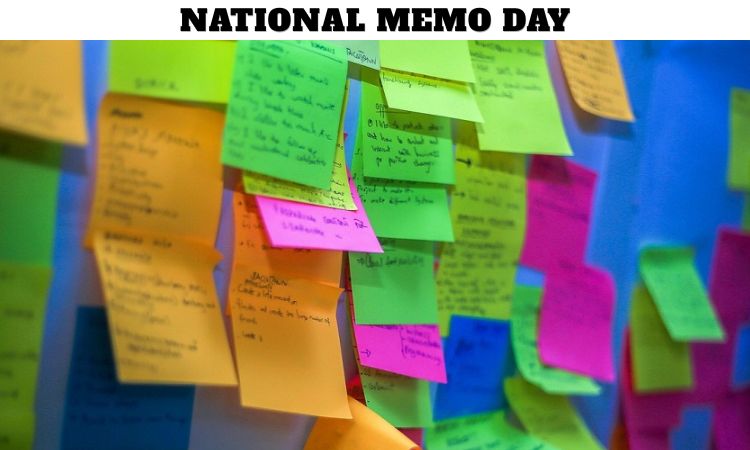
What Is National Memo Day?
National Memo Day, celebrated annually on May 21, recognizes the importance of memos in communication, organization, and professional productivity. Memos, short for memorandums, have long served as essential tools for sharing information, instructions, updates, and reminders within workplaces, schools, organizations, and institutions.
Although modern communication now includes emails, messaging apps, and collaboration software, memos continue to play a valuable role in formal communication. They provide structured, concise, and documented information that helps individuals and teams stay informed and organized.
National Memo Day encourages professionals, students, and businesses to appreciate the role memos have played in administrative systems for generations. The observance also highlights the importance of clear communication, effective documentation, and workplace efficiency.
Whether handwritten, printed, or digital, memos remain a trusted method for delivering important messages quickly and professionally.
What Is a Memo and Why Is It Important?
A memo, or memorandum, is a written message used for internal communication within an organization or group. Memos are generally concise and focused on specific information or instructions.
Unlike personal letters or external business correspondence, memos are typically intended for coworkers, employees, departments, or team members. They often address operational matters, policy updates, meeting reminders, announcements, or project details.
Memos are important because they:
- Provide clear communication
- Create official records
- Improve organizational efficiency
- Reduce misunderstandings
- Help distribute information quickly
- Support professional accountability
In many workplaces, memos remain essential for maintaining structure and transparency.
How Did Memos Become Part of Professional Communication?
The use of written internal communication dates back centuries, but formal memorandums became especially important during the growth of modern businesses and government institutions in the 19th and 20th centuries.
As organizations expanded, managers needed efficient ways to communicate instructions, announcements, and policy changes across departments. The memo became a practical solution because it allowed concise information sharing without lengthy formal letters.
Traditional paper memos were commonly posted on bulletin boards, circulated through offices, or delivered in envelopes. Over time, technological advancements transformed memos into typed documents, printed notices, and eventually digital communications.
Despite the evolution of workplace communication tools, the memo format remains widely recognized for its clarity and professionalism.
Why Are Memos Still Relevant in the Digital Age?
Modern workplaces rely heavily on emails, instant messaging platforms, and collaboration software. However, memos continue to hold value because of their structured and official nature.
Unlike casual messages, memos are designed to communicate important information in a formal and organized format. They are often used when documentation and clarity are essential.
Digital memos offer several advantages:
Clear Communication
Memos focus directly on the purpose of the message, reducing unnecessary details.
Professional Documentation
Organizations can store memos as official records for future reference.
Consistency
A standardized memo format ensures information is presented clearly across teams.
Efficiency
Memos distribute announcements and instructions quickly to large groups.
Accountability
Written communication helps confirm that important information was shared properly.
Even in highly digital environments, businesses continue using memo structures for announcements, policy changes, and operational updates.
What Are the Main Components of a Memo?
A professional memo follows a clear structure that helps readers quickly understand the message.
Heading
The heading usually includes:
- To
- From
- Date
- Subject
Introduction
The introduction briefly explains the purpose of the memo.
Body
The body contains the main details, instructions, updates, or information.
Conclusion
The conclusion summarizes key points or outlines any required actions.
This simple format makes memos easy to read and highly effective for internal communication.
How Do Memos Improve Workplace Communication?
Effective communication is essential for productivity, teamwork, and organizational success. Memos contribute significantly to workplace communication by ensuring that information is distributed clearly and consistently.
Reduces Miscommunication
Written instructions help employees understand expectations accurately.
Supports Team Coordination
Memos keep departments informed about schedules, meetings, and policy changes.
Encourages Professionalism
Formal communication creates a more organized and respectful work environment.
Improves Productivity
Employees can quickly access important information without confusion.
Creates Reliable Records
Organizations can store memos for compliance, accountability, and future reference.
Clear communication systems help businesses operate more efficiently, and memos continue to play a major role in that process.
How Are Digital Memos Changing Workplace Communication?
The rise of technology has transformed how memos are created, shared, and stored. Many organizations now distribute memos electronically through email systems, company portals, or collaboration platforms.
Digital memos provide several benefits:
- Faster delivery
- Easy storage and retrieval
- Better accessibility for remote teams
- Environmentally friendly communication
- Improved document sharing
Cloud-based platforms also allow organizations to archive memos securely while making them searchable for future use.
Despite these technological changes, the purpose of memos remains the same: delivering important information clearly and professionally.
Why Are Strong Writing Skills Important for Memos?
A memo is only effective if the message is easy to understand. Strong writing skills are therefore essential for creating successful memos.
Professional memo writing requires:
Clarity
Messages should be direct and free of unnecessary complexity.
Conciseness
Memos should communicate information efficiently without excessive detail.
Accuracy
Information must be factual, complete, and carefully reviewed.
Professional Tone
The language should remain respectful and workplace-appropriate.
Organization
Information should follow a logical structure for easy reading.
Good memo writing helps organizations avoid confusion and maintain productive communication standards.
How Are Memos Used Outside the Workplace?
Although memos are most commonly associated with business communication, they are also used in many other environments.
Schools and Universities
Teachers and administrators use memos to communicate schedules, policies, and announcements.
Government Offices
Public institutions rely on memos for internal coordination and documentation.
Healthcare Facilities
Hospitals and clinics use memos to share operational updates and procedural changes.
Nonprofit Organizations
Nonprofits use memos to coordinate volunteers, staff, and event planning.
Personal Organization
Some individuals use memo-style notes for reminders, planning, and productivity tracking.
The versatility of memos explains why they remain valuable across many industries and institutions.
How Can People Celebrate National Memo Day?
National Memo Day can be celebrated in both educational and professional settings.
Popular ways to participate include:
- Learning professional memo-writing techniques
- Organizing workplace communication systems
- Teaching students about business writing
- Sharing workplace productivity tips
- Reviewing company communication practices
- Writing appreciation memos to coworkers
- Exploring historical communication methods
Businesses and schools may also use the observance to improve internal communication strategies and encourage professional development.
The day provides an opportunity to appreciate the role organized communication plays in everyday success.
What Makes Memos Different From Emails?
Although emails and memos may appear similar, there are important differences between them.
Purpose
Memos are generally used for formal internal communication, while emails can be both formal and informal.
Structure
Memos follow a standardized format that focuses on clarity and documentation.
Audience
Memos are often intended for groups or departments within organizations.
Professional Record
Memos are more likely to serve as official organizational documents.
Tone
Memos typically maintain a more structured and professional tone.
In many workplaces, email systems now deliver digital memos, combining traditional memo formatting with modern communication technology.
Why Does National Memo Day Matter Today?
National Memo Day highlights the continued importance of effective communication in professional and personal environments. In fast-paced workplaces filled with constant digital interaction, clear and organized communication remains essential.
Memos represent more than administrative documents. They symbolize structure, accountability, professionalism, and teamwork. They help organizations share information efficiently while preserving accurate records for future reference.
The observance also reminds people that strong writing and communication skills continue to be highly valuable in every industry. Whether delivered on paper or electronically, memos remain powerful tools for collaboration and organizational success.
National Memo Day celebrates the role thoughtful communication plays in improving productivity, reducing confusion, and supporting professional relationships.
Frequently Asked Questions (FAQs)
1. When is National Memo Day celebrated?
National Memo Day is celebrated annually on May 21.
2. What is a memo?
A memo is a written message used for internal communication within an organization or group.
3. Why are memos important?
Memos help organizations communicate clearly, maintain records, and improve efficiency.
4. Are memos still used today?
Yes, memos are still widely used in both digital and traditional workplace communication.
5. What is the purpose of National Memo Day?
The day recognizes the importance of professional communication and memo writing.
6. What are the main parts of a memo?
A memo typically includes a heading, introduction, body, and conclusion.
7. How are memos different from emails?
Memos are generally more formal and structured than standard emails.
8. Can digital messages replace memos?
Digital tools support communication, but memo formats remain valuable for formal documentation.
9. Who commonly uses memos?
Businesses, schools, government offices, healthcare organizations, and nonprofits commonly use memos.
10. How can people celebrate National Memo Day?
People can celebrate by learning memo-writing skills, improving communication systems, and appreciating workplace organization.