

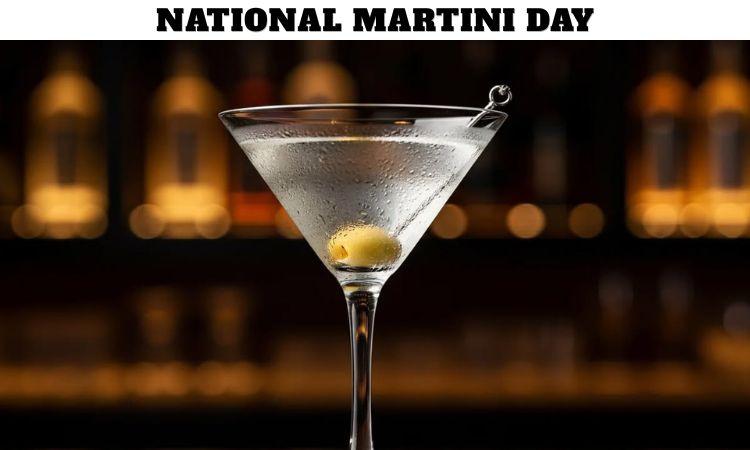
Why Is National Martini Day Celebrated on June 19?
National Martini Day is observed annually on June 19 to celebrate one of the most iconic and recognizable cocktails in the world. Known for its elegant presentation, distinctive glass, and association with sophistication, the martini has become a symbol of classic cocktail culture and social gatherings.
The day provides enthusiasts with an opportunity to appreciate the history, craftsmanship, and cultural influence of the martini. For decades, this beverage has been featured in movies, literature, social events, and hospitality traditions, making it one of the most enduring cocktails ever created.
National Martini Day also highlights the artistry involved in preparing a martini. From selecting ingredients to achieving the desired balance of flavors, bartenders and cocktail enthusiasts often view martini preparation as a skill that combines precision and creativity.
The observance is not solely about enjoying a drink. It also celebrates cocktail history, hospitality, and the social experiences that often accompany shared moments among friends and family.
Every June 19, National Martini Day offers an opportunity to explore the legacy and cultural significance of a beverage that has remained popular across generations.
What Is National Martini Day?
National Martini Day is an unofficial observance dedicated to recognizing the martini and its place in cocktail culture. Celebrated each year on June 19, the day encourages appreciation for one of the most famous mixed drinks in the world.
The martini is often associated with elegance, refinement, and timeless style. Over the years, it has become a staple in bars, restaurants, and social gatherings across many countries.
National Martini Day serves as an occasion for cocktail enthusiasts to learn more about the drink’s history, variations, and preparation methods. It also encourages conversations about the evolution of cocktail culture and the role of classic beverages in social traditions.
Many establishments acknowledge the day by featuring martini-themed menus, educational events, or special promotions for patrons interested in exploring different interpretations of the classic drink.
The observance celebrates both tradition and innovation within the world of mixology.
What Is the History of the Martini?
The exact origins of the martini remain a topic of debate among historians and cocktail enthusiasts. Several stories and theories attempt to explain how the drink was first created, but no single account has been universally accepted.
One theory suggests that the martini evolved from earlier mixed drinks that combined spirits with fortified wines and aromatic ingredients. As cocktail culture developed during the nineteenth century, recipes gradually changed and became more refined.
Over time, the martini gained popularity among social elites and became associated with sophistication and modern style. By the twentieth century, it had established itself as one of the world’s most recognizable cocktails.
The beverage’s popularity was further enhanced through appearances in films, novels, and popular culture. Its iconic image helped cement its status as a symbol of elegance and confidence.
Today, the martini remains a significant part of cocktail history and continues to inspire new variations and interpretations.
Why Is the Martini Considered Iconic?
The martini is considered iconic because it combines simplicity, elegance, and cultural influence in a way few beverages can match. Its distinctive presentation and longstanding reputation have made it instantly recognizable around the world.
Unlike many cocktails that feature numerous ingredients, the martini is often admired for its minimalist approach. This simplicity allows craftsmanship and ingredient quality to take center stage.
The drink’s association with luxury, social sophistication, and classic style has contributed significantly to its enduring appeal. It has been featured prominently in entertainment, literature, and advertising, helping maintain its relevance across generations.
The martini’s adaptability has also played a role in its popularity. Different variations have emerged over time, allowing individuals to enjoy unique flavor profiles while preserving the drink’s classic identity.
National Martini Day celebrates these qualities and recognizes the martini’s place in cultural history.
How Has the Martini Influenced Popular Culture?
Few cocktails have had as much influence on popular culture as the martini. Throughout the twentieth and twenty-first centuries, it has appeared in films, television shows, books, and advertisements.
The martini often symbolizes sophistication, confidence, and elegance. Characters associated with martinis are frequently portrayed as stylish, successful, and worldly.
Its distinctive glass has become a cultural symbol in its own right, often representing social gatherings, celebrations, and upscale hospitality experiences.
The beverage’s presence in entertainment media has helped introduce it to new audiences while reinforcing its status as a classic cocktail. Even people who have never tasted a martini often recognize its appearance and cultural significance.
National Martini Day acknowledges the drink’s enduring impact on society and its role in shaping cocktail culture worldwide.
What Makes the Martini Unique Among Cocktails?
The martini stands out among cocktails because of its simplicity and emphasis on balance. Rather than relying on numerous ingredients, it focuses on achieving harmony between a few carefully selected components.
This minimalist approach places greater importance on preparation techniques and ingredient quality. Small adjustments can significantly influence the final flavor profile, making precision essential.
The martini is also unique because it has inspired countless variations while retaining its identity as a classic cocktail. Different garnishes, ingredients, and preparation styles allow for personalization without losing the essence of the drink.
Its elegant presentation further distinguishes it from many other beverages. The recognizable glass and refined appearance contribute to its reputation as a symbol of sophistication.
These qualities have helped the martini maintain its popularity for generations.
Why Does National Martini Day Appeal to Cocktail Enthusiasts?
National Martini Day appeals to cocktail enthusiasts because it provides an opportunity to celebrate mixology, craftsmanship, and beverage history. Many people enjoy exploring the traditions and techniques associated with classic cocktails.
The observance encourages learning about ingredient selection, preparation methods, and the evolution of cocktail culture. It offers a chance to appreciate the skill and creativity involved in creating memorable drinking experiences.
For enthusiasts, the martini represents a benchmark of cocktail excellence. Its simplicity means that every detail matters, from ingredient quality to presentation.
National Martini Day also fosters social connections. Friends, colleagues, and fellow enthusiasts often gather to share experiences, discuss cocktail traditions, and celebrate a beverage that has influenced generations of hospitality professionals.
The day combines education, appreciation, and enjoyment in a way that resonates with many people.
How Has the Martini Evolved Over Time?
Although the martini is rooted in tradition, it has evolved significantly over the years. Different generations have introduced new ingredients, preparation styles, and flavor combinations that reflect changing tastes and preferences.
These innovations have expanded the martini’s appeal to a broader audience while preserving its connection to classic cocktail culture. Modern variations often experiment with ingredients while maintaining the elegance associated with the original drink.
The evolution of the martini demonstrates the adaptability of culinary and beverage traditions. As consumer preferences change, creative interpretations help keep classic concepts relevant and exciting.
This balance between tradition and innovation contributes to the martini’s enduring popularity.
National Martini Day celebrates both the historical roots and modern evolution of this iconic cocktail.
How Can People Celebrate National Martini Day Responsibly?
National Martini Day can be celebrated in many enjoyable and responsible ways. Learning about cocktail history, exploring mixology techniques, and appreciating hospitality traditions are all meaningful ways to participate.
Many people choose to visit restaurants, lounges, or social gatherings that highlight classic cocktail culture. Others may attend educational events focused on beverage history and preparation methods.
Responsible celebration involves moderation, adherence to local laws, and consideration for personal safety. Individuals who choose to consume alcoholic beverages should do so responsibly and avoid impaired driving or other risky behaviors.
Non-alcoholic alternatives inspired by classic cocktail presentations can also provide opportunities for participation without alcohol consumption.
National Martini Day emphasizes appreciation and cultural significance rather than excessive consumption.
What Can the Martini Teach About Culinary Craftsmanship?
The martini offers valuable lessons about craftsmanship, precision, and simplicity. Because the drink relies on a limited number of ingredients, attention to detail becomes especially important.
Preparation techniques, presentation, and ingredient quality all influence the final result. This focus on excellence reflects broader principles found throughout culinary and hospitality professions.
The martini demonstrates that great experiences often emerge from thoughtful execution rather than complexity. It encourages appreciation for skill, tradition, and careful craftsmanship.
These lessons extend beyond beverages and can apply to cooking, design, art, and other creative disciplines.
National Martini Day highlights the value of mastery and attention to detail in creating memorable experiences.
What Is the Lasting Significance of National Martini Day?
The lasting significance of National Martini Day lies in its celebration of one of the most influential beverages in cocktail history. The observance recognizes the martini’s contributions to hospitality, culture, and social traditions.
Beyond the drink itself, the day honors craftsmanship, creativity, and the enduring appeal of classic design. It highlights how traditions can remain relevant while adapting to changing tastes and preferences.
National Martini Day also serves as a reminder of the role that food and beverage culture plays in bringing people together. Shared experiences often create lasting memories and strengthen social connections.
As generations continue to discover and reinterpret the martini, its legacy remains secure. The drink’s combination of simplicity, elegance, and cultural significance ensures its place in history.
Every June 19, National Martini Day invites people to appreciate a timeless symbol of cocktail culture and the traditions that surround it.
Frequently Asked Questions (FAQs)
1. What is National Martini Day?
National Martini Day is an annual observance on June 19 celebrating the martini and its cultural significance.
2. When is National Martini Day celebrated?
It is celebrated every year on June 19.
3. Why is the martini considered iconic?
The martini is known for its elegance, simplicity, and long-standing influence on cocktail culture.
4. What does National Martini Day celebrate?
It celebrates cocktail history, mixology, hospitality traditions, and the martini’s cultural impact.
5. Why is the martini associated with sophistication?
Its presentation, history, and popularity in popular culture have contributed to its sophisticated image.
6. How has the martini influenced popular culture?
The drink has appeared in films, literature, television, and advertising for decades.
7. Can National Martini Day be celebrated without consuming alcohol?
Yes, people can learn about cocktail history, enjoy non-alcoholic alternatives, and explore mixology techniques.
8. Why is craftsmanship important in martini preparation?
Because the drink is simple, ingredient quality and preparation techniques significantly affect the outcome.
9. What makes the martini different from many other cocktails?
Its minimalist design emphasizes balance, precision, and presentation.
10. What is the purpose of National Martini Day?
The purpose is to recognize the martini’s history, cultural influence, and enduring popularity.