

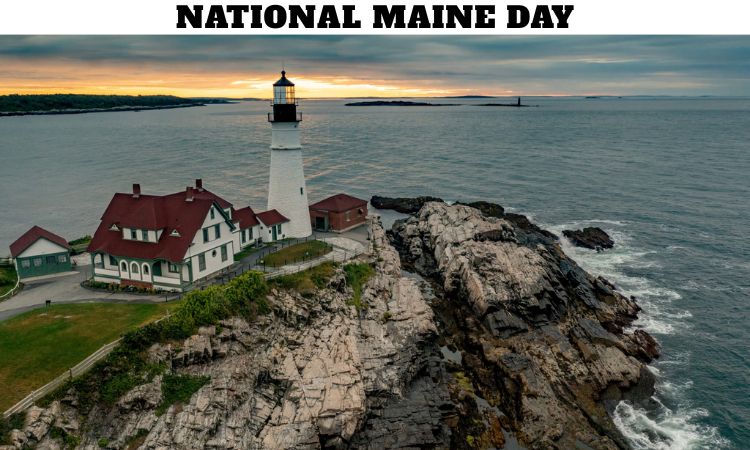
National Maine Day, observed every year on December 21, is a meaningful occasion dedicated to honoring the culture, history, people, and breathtaking landscapes of Maine. As the northernmost state in the New England region, Maine holds a distinctive place in American identity. On National Maine Day, we collectively recognize the state’s enduring traditions, maritime legacy, rugged wilderness, and vibrant communities that have shaped its reputation as The Pine Tree State.
This day is not merely a date on the calendar; it is a celebration of resilience, authenticity, and natural splendor. From its rocky Atlantic coastline to its dense forests and inland lakes, Maine represents a harmonious balance between human heritage and untouched nature. National Maine Day invites us to explore, reflect, and appreciate everything that makes this remarkable state unique.
The Historical Significance of National Maine Day
The observance of National Maine Day on December 21 carries symbolic importance. December 21 marks the winter solstice, the shortest day of the year, a time traditionally associated with endurance, reflection, and renewal. These themes align closely with Maine’s historical narrative—one shaped by perseverance through harsh winters, economic transformation, and cultural preservation.
Maine officially became the 23rd state of the United States in 1820, separating from Massachusetts as part of the Missouri Compromise of 1820. Since then, it has cultivated a strong identity rooted in maritime trade, fishing, shipbuilding, logging, and agriculture. National Maine Day serves as a reminder of the state’s journey from early Indigenous settlements to a modern yet tradition-driven society.
Maine’s Natural Landscapes: A Cornerstone of National Maine Day
One of the most compelling reasons National Maine Day resonates nationwide is Maine’s unparalleled natural beauty. The state is home to over 3,000 miles of tidal coastline, countless islands, pristine lakes, and expansive forests that cover nearly 90% of its land area.
Iconic Coastal Beauty
Maine’s coastline is famous for its dramatic cliffs, historic lighthouses, and working harbors. Locations such as Portland Head Light and the scenic villages along the Atlantic embody Maine’s deep connection to the sea. These coastal areas are not only visually stunning but also central to Maine’s fishing and lobster industries.
Wilderness and National Parks
Inland, the state offers vast wilderness areas, including Acadia National Park, one of the most visited national parks in the United States. On National Maine Day, we celebrate these protected lands that showcase granite peaks, dense forests, and panoramic ocean views, symbolizing Maine’s commitment to conservation and sustainable tourism.
Cultural Heritage and Traditions of Maine
National Maine Day also highlights the rich cultural fabric woven by Indigenous tribes, early European settlers, and generations of hardworking communities. The Wabanaki Confederacy, comprising several Indigenous nations, has inhabited the region for thousands of years, making a profound contribution to Maine’s cultural foundation.
Maine’s traditions reflect simplicity, craftsmanship, and self-reliance. From hand-built boats to artisanal foods and local festivals, the state values authenticity over excess. These cultural elements are integral to why National Maine Day holds lasting relevance.
Maine Cuisine: A Culinary Identity Worth Celebrating
No discussion of National Maine Day is complete without acknowledging Maine’s iconic cuisine. Food in Maine is deeply connected to its geography and seasons, emphasizing freshness and quality.
World-Famous Maine Lobster
Maine lobster is internationally renowned for its flavor and quality. Harvested from cold Atlantic waters, it represents both a culinary delicacy and a vital economic resource. Lobster shacks, seaside restaurants, and traditional lobster bakes are all symbols of Maine’s coastal culture celebrated on National Maine Day.
Local Produce and Comfort Foods
Beyond seafood, Maine is known for blueberries, maple syrup, potatoes, and hearty comfort dishes designed to sustain through long winters. These foods reflect the state’s agricultural heritage and seasonal rhythms.
Economic Contributions and Modern Maine
While rooted in tradition, Maine continues to evolve economically. On National Maine Day, we also recognize the state’s modern industries, including renewable energy, tourism, healthcare, and education. Maine’s emphasis on sustainability and community-driven development positions it as a model for balanced growth.
Tourism remains a cornerstone of the economy, with visitors drawn to Maine’s outdoor recreation, charming towns, and cultural festivals. The celebration of National Maine Day further amplifies awareness of the state’s contributions on both national and global stages.
Why National Maine Day Matters Nationwide?
National Maine Day extends beyond state pride; it serves as a national acknowledgment of values that resonate widely—respect for nature, community strength, and cultural continuity. Maine’s way of life offers lessons in resilience, environmental stewardship, and the importance of preserving local identity in an increasingly globalized world.
By honoring Maine on December 21, we recognize the importance of regional diversity within the United States and celebrate how each state enriches the national tapestry.
Ways We Can Celebrate National Maine Day
Celebrating National Maine Day can take many meaningful forms, regardless of location:
Exploring Maine literature, art, and history
Supporting Maine-based businesses and artisans
Learning about conservation efforts in the region
Sharing stories and images that highlight Maine’s landscapes
Reflecting on the values of simplicity and sustainability
Each of these actions reinforces the purpose of National Maine Day—to appreciate and preserve what makes Maine extraordinary.
The Enduring Legacy of National Maine Day
As National Maine Day continues to gain recognition, its significance grows stronger with each passing year. It stands as a tribute to a state that has remained true to its roots while adapting to modern challenges. Maine’s legacy is one of quiet strength, natural grandeur, and cultural authenticity.