

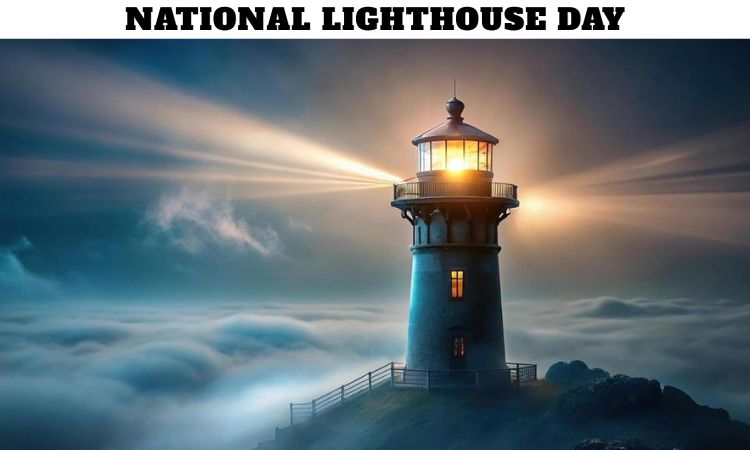
What Is National Lighthouse Day?
National Lighthouse Day is observed every year on August 7 to honor the historic lighthouses that have guided sailors, protected ships, and saved countless lives throughout history. These towering coastal structures are much more than navigational aids. They symbolize hope, safety, perseverance, and human ingenuity. Long before modern GPS systems and advanced navigation technology, mariners depended on the bright beams of lighthouse lanterns to safely reach ports and avoid dangerous coastlines.
The day also recognizes the dedicated lighthouse keepers who spent years maintaining these structures under challenging conditions. Their commitment ensured that ships could safely navigate through storms, darkness, and rough waters. Today, many historic lighthouses have become treasured landmarks, museums, tourist attractions, and symbols of maritime heritage.
National Lighthouse Day encourages people to appreciate these architectural masterpieces, learn about their fascinating history, support preservation efforts, and visit the many beautiful lighthouses that continue to stand proudly along coastlines. Although many modern navigation systems have reduced their operational role, lighthouses remain powerful reminders of the importance of guidance, resilience, and service.
Why Is National Lighthouse Day Celebrated on August 7?
National Lighthouse Day is celebrated on August 7 because this date marks the anniversary of the signing of the first federal lighthouse legislation in the United States in 1789. Shortly after the formation of the new federal government, lawmakers recognized the importance of maintaining lighthouses for safe maritime trade and transportation.
The legislation placed responsibility for the nation’s lighthouses under the federal government, ensuring consistent maintenance and operation. This decision played a major role in improving maritime safety and supporting economic growth through secure shipping routes.
Many communities across coastal regions observe this day by opening historic lighthouses to visitors, organizing guided tours, hosting educational programs, and celebrating local maritime history. Preservation groups also use the occasion to raise awareness about protecting aging lighthouse structures from erosion, weather damage, and neglect.
National Lighthouse Day serves as both a celebration of history and a reminder that preserving these iconic landmarks is important for future generations.
How Did Lighthouses Become Essential to Maritime History?
Lighthouses have existed for thousands of years. Ancient civilizations recognized the need to guide ships safely into harbors and away from dangerous rocks. One of the earliest and most famous examples was the Lighthouse of Alexandria, built in ancient Egypt, which became one of the Seven Wonders of the Ancient World.
As international trade expanded, coastal nations constructed increasingly sophisticated lighthouses using stone, brick, iron, and eventually steel. Improvements in lighting technology transformed simple fire beacons into powerful rotating lights capable of being seen from many miles away.
Every lighthouse was carefully positioned based on local geography. Some marked dangerous reefs, while others indicated harbor entrances, river mouths, or narrow channels. Different flashing patterns allowed sailors to identify individual lighthouses even during poor visibility.
For centuries, these structures represented the difference between safe arrival and disaster. Thousands of ship captains relied on lighthouse signals during storms, fog, and nighttime voyages. Without them, maritime trade would have been significantly more dangerous.
Today, although satellite navigation has largely replaced traditional lighthouse navigation, these historic buildings continue to preserve the story of humanity’s relationship with the sea.
Why Are Lighthouses Important Even Today?
Modern navigation technology has changed how ships travel, but lighthouses continue to hold great value for several reasons.
Many active lighthouses still serve as reliable visual navigation aids, especially when electronic equipment fails or during difficult weather conditions. Their presence provides an additional layer of safety for commercial vessels, fishing boats, recreational sailors, and rescue operations.
Beyond navigation, lighthouses are important historical monuments. They preserve stories of maritime exploration, coastal communities, engineering achievements, and generations of lighthouse keepers who dedicated their lives to public safety.
Tourism also plays a significant role. Thousands of visitors travel every year to climb lighthouse towers, explore museums, photograph dramatic coastal scenery, and learn about maritime history. These visits support local economies while promoting heritage conservation.
Educational institutions frequently use lighthouses to teach architecture, engineering, oceanography, geography, environmental science, and history. Their continued preservation ensures that future generations can connect with an important part of maritime culture.
What Makes Lighthouse Architecture So Fascinating?
One reason lighthouses remain popular is their remarkable architecture. Every lighthouse reflects the unique environmental challenges of its location. Coastal weather, wave strength, shoreline composition, and visibility requirements all influenced design decisions.
Some lighthouses feature tall cylindrical towers, while others have square, octagonal, or tapered shapes. Materials vary depending on local resources and climate. Granite, sandstone, brick, cast iron, reinforced concrete, and steel have all been used in lighthouse construction.
Their colors also serve practical purposes. Distinctive black-and-white stripes, red bands, or bright white exteriors help sailors recognize specific lighthouses during daylight hours. Each structure develops its own identity through unique paint patterns and lantern designs.
Inside, spiral staircases often lead to lantern rooms where powerful lenses once concentrated light into beams visible for dozens of miles. The invention of the Fresnel lens revolutionized lighthouse efficiency by allowing brighter beams with less fuel consumption.
Even today, lighthouse architecture continues to inspire artists, photographers, engineers, and travelers around the world.
How Did Lighthouse Keepers Shape Maritime Safety?
Before automation, lighthouse keepers performed one of the most demanding jobs along the coastline. They were responsible for ensuring that the lighthouse remained operational every single night regardless of weather conditions.
Keepers cleaned lantern glass, maintained lenses, trimmed lamp wicks, refilled fuel supplies, wound clockwork mechanisms, monitored weather, recorded ship activity, and maintained surrounding buildings. During violent storms, they often worked under dangerous conditions to prevent the light from failing.
Many lighthouse keepers lived with their families in isolated coastal stations. Their dedication required discipline, technical knowledge, and extraordinary commitment. A single missed night could place countless sailors at risk.
Stories of lighthouse keepers have become an important part of maritime folklore. Many demonstrated remarkable courage by rescuing shipwreck survivors, providing emergency assistance, and enduring extreme loneliness in remote locations.
Although automation has eliminated most keeper positions, their legacy remains central to National Lighthouse Day celebrations.
How Is National Lighthouse Day Celebrated?
Communities celebrate National Lighthouse Day in many meaningful ways. Historic lighthouse organizations frequently host open houses where visitors can climb towers and enjoy panoramic coastal views.
Museums organize exhibitions featuring maritime artifacts, navigation equipment, historical photographs, and stories of lighthouse keepers. Guided walking tours help visitors understand local coastal history and lighthouse engineering.
Schools often include educational activities about navigation, geography, marine ecosystems, and architectural preservation. Students create lighthouse artwork, build miniature lighthouse models, and learn about famous coastal landmarks.
Photography enthusiasts take advantage of the day to capture sunrise and sunset images featuring dramatic lighthouse landscapes. Many artists paint coastal scenes inspired by these timeless structures.
Volunteers also participate in preservation projects by helping maintain lighthouse grounds, restoring historic buildings, and supporting fundraising efforts for conservation organizations. These activities ensure that future generations will continue to appreciate these remarkable landmarks.
What Can We Learn from the Symbolism of Lighthouses?
Lighthouses have become universal symbols that extend far beyond maritime navigation. They represent hope during difficult times, guidance through uncertainty, and strength against adversity.
Standing firmly against crashing waves and powerful storms, lighthouses remind people that resilience can overcome even the harshest challenges. Their constant light symbolizes reliability, leadership, compassion, and the willingness to help others find safe paths.
Writers, poets, filmmakers, and artists frequently use lighthouse imagery to represent wisdom, protection, and personal growth. Many people view them as symbols of encouragement during life’s most challenging moments.
National Lighthouse Day invites everyone to reflect on these deeper meanings while appreciating the real historical contributions that lighthouses have made to society.
Why Should Historic Lighthouses Be Preserved?
Many historic lighthouses face ongoing threats from coastal erosion, rising sea levels, severe storms, saltwater corrosion, and aging infrastructure. Preservation requires significant financial investment, technical expertise, and community support.
Protecting these structures preserves valuable architectural heritage, engineering achievements, maritime history, and cultural identity. Every restored lighthouse tells stories of exploration, commerce, immigration, rescue operations, and coastal life.
Historic preservation also creates educational opportunities for students, researchers, historians, and tourists. Museums and visitor centers built around lighthouses generate economic benefits while promoting awareness of coastal conservation.
Supporting lighthouse preservation ensures that these inspiring landmarks remain standing for future generations who may otherwise only know them through photographs and books.
How Can You Celebrate National Lighthouse Day?
Celebrating National Lighthouse Day can be both enjoyable and educational. Visiting a nearby lighthouse offers an opportunity to experience history firsthand while enjoying beautiful coastal scenery. Many sites provide guided tours, museums, and observation decks.
Reading books about maritime exploration, watching documentaries, or learning about famous lighthouse keepers can deepen appreciation for their historical importance. Families can also encourage children to create lighthouse-themed crafts, paintings, or school projects.
Photography lovers may choose to capture lighthouse landscapes during sunrise or sunset, while travelers can plan future visits to famous coastal destinations known for their iconic towers.
Supporting organizations dedicated to preserving historic lighthouses is another meaningful way to participate. Donations, memberships, volunteer work, and educational outreach all contribute to protecting these valuable landmarks.
Most importantly, National Lighthouse Day encourages everyone to recognize the enduring importance of guidance, service, resilience, and hope represented by these remarkable structures that have safely welcomed generations of sailors home.
Frequently Asked Questions (FAQs)
1. When is National Lighthouse Day celebrated?
National Lighthouse Day is celebrated every year on August 7.
2. Why is National Lighthouse Day observed on August 7?
It commemorates the signing of the first federal lighthouse legislation in the United States on August 7, 1789.
3. What is the purpose of National Lighthouse Day?
The day honors historic lighthouses, lighthouse keepers, and the role these structures have played in maritime safety.
4. Are lighthouses still used today?
Yes. While modern navigation technology is widely used, many lighthouses still operate as visual navigation aids.
5. What did lighthouse keepers do?
They maintained the lighthouse, operated the light, cared for equipment, monitored weather conditions, and helped ensure maritime safety.
6. What is the most famous ancient lighthouse?
The Lighthouse of Alexandria in ancient Egypt is considered the most famous ancient lighthouse.
7. How can people celebrate National Lighthouse Day?
People can visit historic lighthouses, attend museum events, learn about maritime history, support preservation organizations, and participate in educational activities.
8. Why are lighthouses important symbols?
They symbolize hope, guidance, resilience, safety, and strength during difficult times.
9. Why should historic lighthouses be preserved?
They protect maritime heritage, preserve architectural history, promote tourism, and educate future generations.
10. Can anyone visit a lighthouse?
Many historic lighthouses are open to the public, although access depends on location, safety regulations, and seasonal schedules.