

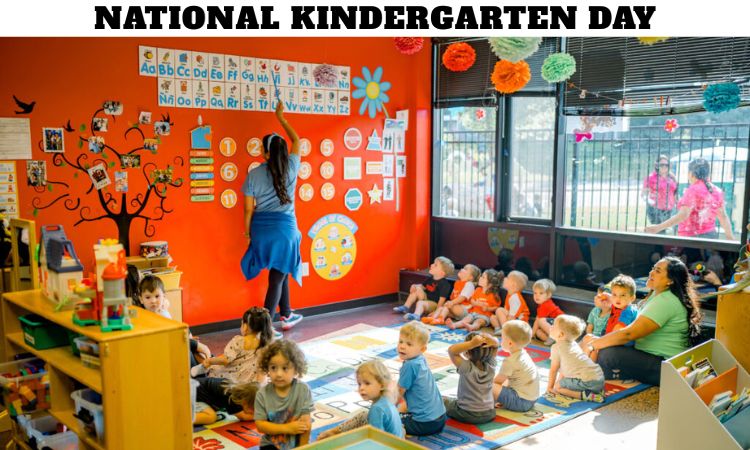
What Is National Kindergarten Day, and Why Is It Celebrated on April 21?
National Kindergarten Day, observed annually on April 21, is a significant occasion dedicated to honoring the importance of early childhood education and recognizing the foundational role it plays in shaping young minds. We celebrate this day to highlight how kindergarten serves as a child’s first structured educational experience, laying the groundwork for academic success, social development, and emotional growth.
This special day commemorates the birthday of Friedrich Fröbel, the visionary German educator who pioneered the concept of kindergarten. His innovative approach emphasized learning through play, creativity, and interaction, transforming how children are educated across the globe.
Who Was Friedrich Fröbel and What Was His Contribution to Education?
We recognize Friedrich Fröbel as the father of kindergarten, whose revolutionary ideas reshaped early education. In the 19th century, Froebel introduced a system where children could learn through guided play, hands-on activities, and social engagement.
His philosophy centered on nurturing the natural curiosity of children, allowing them to explore, discover, and grow in a supportive environment. Froebel’s concept of “children’s garden” inspired the term kindergarten, symbolizing a place where young minds are cultivated with care and attention.
Why Is Kindergarten Education So Important for Children?
We emphasize that kindergarten is not merely an academic stepping stone; it is a critical developmental phase. During these early years, children develop essential skills that influence their future:
- Cognitive skills such as problem-solving and critical thinking
- Social skills, including cooperation and communication
- Emotional intelligence through interaction and self-expression
- Motor skills through physical activities and creative play
Kindergarten creates a structured environment where children learn to adapt, interact, and build confidence, preparing them for formal schooling.
How Does Kindergarten Shape a Child’s Future Learning Journey?
We observe that kindergarten plays a vital role in shaping a child’s long-term academic trajectory. It introduces children to:
- Basic literacy and numeracy concepts
- Classroom discipline and routines
- Collaborative learning experiences
These foundational elements help children transition smoothly into primary education. We note that children who attend kindergarten often demonstrate better academic performance and stronger social skills in later years.
What Are the Key Principles of Modern Kindergarten Education?
We identify several core principles that define contemporary kindergarten education:
1. Learning Through Play
Play-based learning encourages creativity, imagination, and exploration, making education enjoyable and effective.
2. Child-Centered Approach
Teachers focus on individual needs, ensuring that each child’s unique abilities and interests are nurtured.
3. Holistic Development
Kindergarten emphasizes intellectual, emotional, physical, and social growth.
4. Interactive Learning
Group activities promote teamwork, communication, and collaboration.
These principles ensure that kindergarten remains a dynamic and engaging environment for young learners.
How Is National Kindergarten Day Celebrated Around the World?
We see National Kindergarten Day celebrated in various meaningful ways:
- Schools organize special activities and events
- Teachers receive recognition and appreciation
- Parents engage in interactive learning sessions with children
- Communities host educational workshops and programs
These celebrations highlight the importance of early education and encourage greater involvement from families and communities.
What Role Do Teachers Play in Kindergarten Education?
We acknowledge that kindergarten teachers are the cornerstone of early education. Their role extends beyond teaching basic concepts to:
- Creating a safe and nurturing environment
- Encouraging curiosity and creativity
- Supporting emotional and social development
Teachers act as guides who help children explore the world with confidence and enthusiasm, making a lasting impact on their lives.
How Can Parents Support Kindergarten Learning at Home?
We emphasize that parental involvement is crucial for reinforcing kindergarten education. Parents can:
- Encourage reading and storytelling
- Provide opportunities for creative play
- Maintain consistent routines
- Foster positive communication and emotional support
By actively participating in their child’s learning journey, parents help create a strong foundation for academic and personal growth.
What Are the Benefits of Play-Based Learning in Kindergarten?
We highlight the advantages of play-based learning:
- Enhances problem-solving skills
- Encourages imagination and innovation
- Improves social interaction
- Reduces stress and anxiety in children
Play-based learning ensures that education remains engaging, effective, and enjoyable, aligning with the natural learning style of young children.
What Is the Future of Kindergarten Education?
We anticipate that kindergarten education will continue to evolve with advancements in technology and pedagogy. Future trends include:
- Integration of digital learning tools
- Focus on personalized education
- Emphasis on emotional intelligence and well-being
We see a future where kindergarten remains a vital and transformative stage in a child’s educational journey, adapting to meet the needs of modern society.
Frequently Asked Questions (FAQs)
1. What is National Kindergarten Day?
National Kindergarten Day is a celebration on April 21 that honors early childhood education and kindergarten teachers.
2. Why is National Kindergarten Day celebrated on April 21?
It marks the birthday of Friedrich Fröbel, the founder of kindergarten.
3. What is the purpose of kindergarten education?
It helps children develop cognitive, social, emotional, and physical skills.
4. Who was Friedrich Fröbel?
He was a German educator who introduced the concept of kindergarten.
5. What does the word kindergarten mean?
It means “children’s garden” in German.
6. How can schools celebrate National Kindergarten Day?
They can organize activities, events, and appreciation programs for teachers and students.
7. What is play-based learning?
It is a teaching method that uses play to enhance learning and development.
8. How can parents support kindergarten learning?
By encouraging reading, creative play, and maintaining routines at home.
9. Why is early childhood education important?
It builds a strong foundation for lifelong learning and development.
10. What skills do children learn in kindergarten?
They learn basic literacy, numeracy, social interaction, and emotional skills.