

What Is National Exercise Day and Why Is It Celebrated?
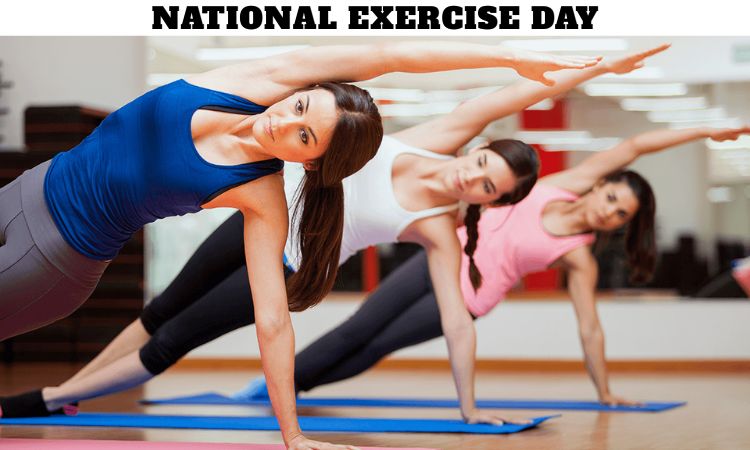
National Exercise Day, observed on April 18, is a dedicated occasion that promotes the importance of physical activity in maintaining a healthy lifestyle. This day encourages individuals of all ages to incorporate regular exercise into their daily routines and recognize its powerful impact on overall well-being.
We view this day as a reminder that consistent physical movement is essential for a strong body, a focused mind, and a balanced life. With increasing sedentary lifestyles and digital dependency, National Exercise Day highlights the urgent need to prioritize fitness and adopt healthier habits.
Why Is Regular Exercise Essential for a Healthy Life?
Regular exercise plays a critical role in improving both physical and mental health. We emphasize that staying active helps prevent numerous health conditions while enhancing quality of life.
Key benefits of exercise include:
- Improved cardiovascular health
- Enhanced muscle strength and endurance
- Better flexibility and mobility
- Boosted immune system
- Increased energy levels
Exercise also contributes to longevity and disease prevention, reducing the risk of conditions such as obesity, diabetes, and heart disease.
How Does Exercise Impact Mental Health and Emotional Well-Being?
Exercise is not only beneficial for the body but also for the mind. We recognize its significant role in enhancing mental health.
Mental Health Benefits of Exercise
- Reduces symptoms of stress, anxiety, and depression
- Promotes the release of endorphins, improving mood
- Enhances focus, memory, and cognitive function
- Encourages better sleep patterns
Engaging in physical activity creates a sense of accomplishment and boosts self-confidence and emotional resilience.
What Types of Exercise Should You Include in Your Routine?
A well-balanced fitness routine includes various types of exercises that target different aspects of health. We recommend incorporating:
Cardiovascular Exercises
Activities such as running, cycling, and swimming improve heart health and stamina.
Strength Training
Weightlifting and resistance exercises help build muscle mass and bone density.
Flexibility and Stretching
Yoga and stretching routines enhance mobility and reduce injury risk.
Balance and Coordination Exercises
These are especially important for improving stability and posture, particularly as individuals age.
Combining these elements ensures a holistic approach to fitness.
How Much Exercise Do You Need Daily?
The recommended amount of exercise varies depending on age, fitness level, and health goals. However, general guidelines suggest:
- At least 30 minutes of moderate exercise daily
- Or 150 minutes of physical activity per week
- Inclusion of strength training exercises twice a week
We stress that consistency is more important than intensity. Even small amounts of daily activity can lead to significant health improvements over time.
What Are the Common Barriers to Exercise and How Can You Overcome Them?
Many individuals struggle to maintain a consistent exercise routine due to various challenges. We identify common barriers and practical solutions:
Lack of Time
Solution: Break workouts into shorter sessions throughout the day.
Lack of Motivation
Solution: Set realistic goals and track progress.
Physical Limitations
Solution: Choose low-impact exercises suited to your ability.
Boredom
Solution: Try different activities to keep workouts engaging.
Overcoming these obstacles requires discipline, planning, and a positive mindset.
How Can Beginners Start Their Fitness Journey?
Starting a fitness journey can feel overwhelming, but we recommend a simple and structured approach:
- Begin with light activities such as walking or stretching
- Gradually increase intensity and duration
- Focus on proper technique to avoid injuries
- Stay consistent and patient
Building a routine step by step ensures sustainable progress and long-term success.
What Role Does Nutrition Play Alongside Exercise?
Exercise alone is not enough to achieve optimal health. We emphasize the importance of pairing physical activity with a balanced and nutritious diet.
Key dietary considerations include:
- Consuming adequate protein for muscle repair
- Staying hydrated
- Including fruits, vegetables, and whole grains
- Avoiding excessive processed foods
Proper nutrition enhances performance, supports recovery, and maximizes the benefits of exercise.
How Does Exercise Help in Weight Management?
Exercise is a key component of effective weight management. We understand that it helps by:
- Burning calories and reducing body fat
- Increasing metabolism
- Preserving lean muscle mass
When combined with a healthy diet, regular exercise contributes to sustainable weight loss and maintenance.
How Is National Exercise Day Celebrated?
National Exercise Day is celebrated through various activities that promote physical fitness and community engagement. We observe:
- Group workouts and fitness challenges
- Awareness campaigns encouraging active lifestyles
- Participation in sports and outdoor activities
- Social media initiatives promoting exercise routines
This day serves as a motivation for individuals to commit to healthier habits and inspire others.
What Long-Term Benefits Can You Expect from Regular Exercise?
Regular exercise leads to lasting improvements in overall health and well-being. We highlight the long-term benefits:
- Reduced risk of chronic diseases
- Improved mental clarity and emotional stability
- Enhanced quality of life and independence
- Increased lifespan
Adopting an active lifestyle ensures a healthier, happier, and more productive future.
Frequently Asked Questions (FAQs)
1. What is National Exercise Day?
National Exercise Day, celebrated on April 18, promotes the importance of physical activity for overall health and well-being.
2. How much exercise should I do daily?
It is recommended to engage in at least 30 minutes of moderate exercise daily or 150 minutes per week.
3. What are the best exercises for beginners?
Walking, stretching, and light cardio exercises are ideal for beginners.
4. Can exercise improve mental health?
Yes, exercise reduces stress, anxiety, and depression while improving mood and focus.
5. Is it necessary to go to the gym to stay fit?
No, you can stay fit through home workouts, outdoor activities, and daily physical movement.
6. What is the best time to exercise?
The best time is whenever you can stay consistent, whether morning or evening.
7. How does exercise help in weight loss?
Exercise burns calories, boosts metabolism, and supports fat loss when combined with a healthy diet.
8. Can older adults benefit from exercise?
Yes, exercise improves mobility, balance, and overall health in older adults.
9. What should I eat before and after exercise?
Consume light, balanced meals with carbohydrates and protein for energy and recovery.
10. Why is consistency important in exercise?
Consistency ensures long-term health benefits and sustainable fitness results.