

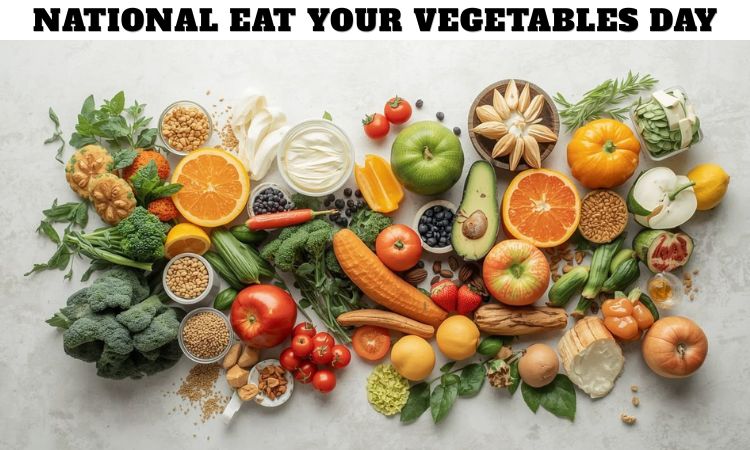
Why Is National Eat Your Vegetables Day Celebrated on June 17?
National Eat Your Vegetables Day is celebrated annually on June 17 to encourage people of all ages to include more vegetables in their daily diets. The observance promotes healthy eating habits and highlights the important role vegetables play in maintaining overall health and well-being.
Vegetables are among the most nutrient-rich foods available. They provide essential vitamins, minerals, fiber, and antioxidants that support numerous bodily functions. Despite their benefits, many people consume fewer vegetables than recommended, making this day an important reminder to focus on nutritious food choices.
National Eat Your Vegetables Day also aims to educate people about the variety of vegetables available and the many ways they can be incorporated into meals. From leafy greens and root vegetables to colorful peppers and crunchy cucumbers, vegetables offer countless possibilities for delicious and healthy eating.
The day encourages individuals, families, schools, and communities to make vegetables a regular part of their meals. Whether through cooking, gardening, or learning new recipes, the celebration promotes positive lifestyle habits that can lead to long-term health benefits.
Every June 17, National Eat Your Vegetables Day inspires people to appreciate the value of vegetables and take simple steps toward healthier eating.
What Is National Eat Your Vegetables Day?
National Eat Your Vegetables Day is a food-awareness observance dedicated to promoting vegetable consumption and healthy nutrition. The day serves as a reminder that vegetables are a critical component of a balanced diet and contribute significantly to overall health.
The celebration encourages people to explore new vegetables, experiment with recipes, and make conscious choices about their daily nutrition. It also provides an opportunity for nutrition educators, healthcare professionals, and community organizations to raise awareness about healthy eating habits.
Unlike many food holidays that focus on indulgent treats, National Eat Your Vegetables Day emphasizes wellness and preventive health. It encourages sustainable dietary habits that can positively impact quality of life.
The observance is suitable for people of all ages and backgrounds, making it a widely accessible and beneficial celebration.
Why Are Vegetables Important for Good Health?
Vegetables provide a wide range of nutrients that are essential for maintaining good health. They contain vitamins such as A, C, E, and K, as well as important minerals including potassium, magnesium, and calcium.
Many vegetables are rich in dietary fiber, which supports healthy digestion and helps maintain a healthy digestive system. Fiber can also contribute to feelings of fullness, making it easier to manage portion sizes and maintain a balanced diet.
Vegetables are naturally low in calories while providing significant nutritional value. This combination makes them an excellent choice for people seeking nutritious foods that support overall wellness.
The antioxidants found in many vegetables help protect cells from damage caused by environmental factors and normal metabolic processes. These compounds contribute to long-term health and vitality.
National Eat Your Vegetables Day highlights these benefits and encourages greater appreciation for nutrient-rich foods.
How Do Vegetables Support a Balanced Diet?
A balanced diet includes a variety of foods that provide essential nutrients, and vegetables play a central role in achieving that balance. Their nutritional diversity helps ensure that the body receives the vitamins and minerals necessary for optimal functioning.
Different vegetables offer different nutrients. Leafy greens may provide iron and vitamin K, while orange vegetables often contain beta-carotene and vitamin A. By eating a variety of vegetables, individuals can benefit from a broad range of nutrients.
Vegetables also complement other food groups by adding texture, flavor, and nutritional value to meals. They can be incorporated into breakfast, lunch, dinner, and snacks, making them a versatile dietary choice.
Including vegetables regularly helps create meals that are both satisfying and nutritious. National Eat Your Vegetables Day encourages people to build healthy habits by making vegetables a daily priority.
Why Do Many People Struggle to Eat Enough Vegetables?
Despite their well-known benefits, many individuals find it challenging to consume the recommended amount of vegetables. Busy lifestyles, limited access to fresh produce, personal preferences, and unfamiliarity with preparation methods can all contribute to lower vegetable intake.
Some people may associate vegetables with bland or uninteresting meals, while others may have had limited exposure to diverse vegetable dishes during childhood. These perceptions can influence eating habits later in life.
Fortunately, there are many ways to make vegetables more appealing. Creative cooking methods, flavorful seasonings, and attractive presentations can transform vegetables into enjoyable meal components.
Education also plays an important role. Learning about different vegetable varieties and preparation techniques can help individuals discover new favorites and expand their dietary choices.
National Eat Your Vegetables Day promotes awareness and encourages people to explore enjoyable ways to include more vegetables in their diets.
What Are Some Popular Vegetables Around the World?
Vegetables are an important part of cuisines across the globe. Popular varieties include carrots, broccoli, spinach, tomatoes, cucumbers, bell peppers, cabbage, onions, and potatoes.
Leafy greens such as kale, lettuce, and Swiss chard are valued for their nutritional content and versatility. Root vegetables like carrots, beets, and turnips are commonly used in soups, stews, and side dishes.
Cruciferous vegetables such as broccoli, cauliflower, and Brussels sprouts are appreciated for both flavor and health benefits. Peppers, eggplants, and zucchini are popular ingredients in numerous international recipes.
The wide variety of vegetables available allows people to enjoy different flavors, textures, and colors while supporting nutritional goals.
National Eat Your Vegetables Day celebrates this diversity and encourages culinary exploration.
How Can Families Encourage Children to Eat More Vegetables?
Helping children develop healthy eating habits often begins with positive exposure to vegetables at an early age. Parents and caregivers can encourage vegetable consumption by offering a variety of options and involving children in meal preparation.
Gardening can be an effective way to increase interest in vegetables. Children who help grow vegetables often become more enthusiastic about tasting and eating them.
Creative presentation can also make vegetables more appealing. Colorful plates, fun shapes, and interactive meals can capture children’s attention and encourage exploration.
Setting a positive example is equally important. When adults regularly enjoy vegetables, children are more likely to adopt similar habits.
National Eat Your Vegetables Day provides an opportunity for families to focus on nutrition and create enjoyable experiences around healthy foods.
How Can Vegetables Be Incorporated into Everyday Meals?
Vegetables can be included in nearly every meal throughout the day. Breakfast options might include spinach in omelets or vegetables blended into smoothies. Lunches can feature salads, sandwiches with fresh vegetables, or vegetable-based soups.
Dinner meals often provide numerous opportunities to incorporate vegetables through side dishes, stir-fries, casseroles, and roasted vegetable combinations. Snacks can include sliced cucumbers, carrots, celery, or bell peppers.
Adding vegetables to favorite recipes is another practical strategy. Pasta sauces, pizzas, wraps, and rice dishes can all be enhanced with extra vegetables.
The flexibility of vegetables makes them easy to integrate into a variety of cuisines and dietary preferences. National Eat Your Vegetables Day encourages people to discover simple and enjoyable ways to include vegetables more frequently.
How Does Gardening Promote Vegetable Consumption?
Gardening helps people develop a deeper connection to food and encourages healthier eating habits. Growing vegetables at home allows individuals to witness the entire process from planting seeds to harvesting fresh produce.
Home gardening can increase appreciation for vegetables and inspire people to experiment with different varieties. It also provides access to fresh ingredients that can be used in everyday meals.
Gardening offers educational opportunities for children and adults alike. Participants learn about plant growth, nutrition, environmental stewardship, and food production.
In addition to promoting vegetable consumption, gardening can support physical activity and outdoor engagement. These benefits contribute to overall well-being and healthy lifestyles.
National Eat Your Vegetables Day often inspires people to start gardens or learn more about growing their own food.
Why Is Nutrition Education Important?
Nutrition education empowers individuals to make informed decisions about their food choices. Understanding the benefits of vegetables and the role they play in overall health helps people develop sustainable eating habits.
Educational programs can teach practical skills such as meal planning, grocery shopping, cooking, and food preparation. These skills make it easier to incorporate nutritious foods into daily life.
Schools, community organizations, healthcare providers, and families all contribute to nutrition education efforts. Their work helps create environments that support healthy eating behaviors.
Awareness campaigns associated with National Eat Your Vegetables Day reinforce the importance of nutrition and encourage lifelong healthy habits.
Education remains one of the most effective tools for promoting better health outcomes and improving dietary choices.
What Is the Lasting Significance of National Eat Your Vegetables Day?
The lasting significance of National Eat Your Vegetables Day lies in its focus on health, nutrition, and preventive wellness. The observance serves as an annual reminder that small dietary changes can have meaningful long-term benefits.
By encouraging greater vegetable consumption, the day supports healthier lifestyles and promotes awareness of the connection between nutrition and well-being. It inspires individuals to make conscious food choices that contribute to better health outcomes.
National Eat Your Vegetables Day also highlights the importance of education, accessibility, and positive habits in creating sustainable dietary improvements. The celebration encourages people to view vegetables not as an obligation but as an enjoyable and valuable part of daily life.
As awareness of nutrition continues to grow, the message behind National Eat Your Vegetables Day remains highly relevant. Healthy eating habits developed today can contribute to a healthier future for individuals, families, and communities.
Every June 17, the observance reminds people that adding more vegetables to their diets is a simple yet powerful step toward better health and overall well-being.
Frequently Asked Questions (FAQs)
1. What is National Eat Your Vegetables Day?
National Eat Your Vegetables Day is an annual observance that promotes healthy eating and encourages people to consume more vegetables.
2. When is National Eat Your Vegetables Day celebrated?
It is celebrated every year on June 17.
3. Why are vegetables important?
Vegetables provide essential vitamins, minerals, fiber, and antioxidants that support overall health.
4. How do vegetables contribute to a balanced diet?
They supply important nutrients while adding variety, flavor, and nutritional value to meals.
5. What are some common vegetables?
Popular vegetables include carrots, broccoli, spinach, cucumbers, tomatoes, peppers, and cabbage.
6. How can children be encouraged to eat more vegetables?
Involving children in gardening and meal preparation can increase their interest in vegetables.
7. Can vegetables be included in every meal?
Yes, vegetables can be incorporated into breakfast, lunch, dinner, and snacks.
8. Why is dietary fiber important?
Fiber supports digestive health and helps maintain a balanced diet.
9. How does gardening support healthy eating?
Gardening increases appreciation for fresh produce and encourages vegetable consumption.
10. What is the goal of National Eat Your Vegetables Day?
The goal is to raise awareness about nutrition and encourage healthier eating habits.