

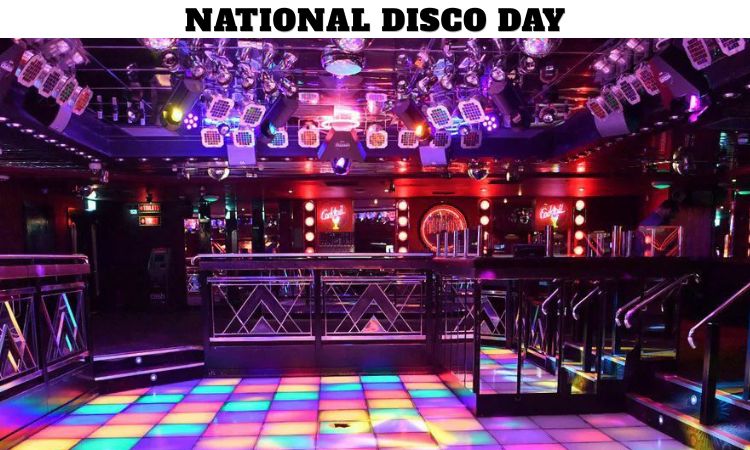
What Is National Disco Day and Why Is It Celebrated on July 2?
National Disco Day is celebrated annually on July 2 to honor the vibrant music, fashion, dance culture, and lasting legacy of disco. The observance recognizes one of the most influential musical movements of the twentieth century, celebrating the rhythms and sounds that transformed dance floors worldwide during the 1970s and beyond.
Disco music emerged as more than just a musical genre. It became a cultural phenomenon that brought people together regardless of age, background, or social status. Characterized by upbeat tempos, orchestral arrangements, catchy melodies, and energetic dance beats, disco revolutionized popular music and nightlife.
National Disco Day encourages music enthusiasts to revisit classic disco hits, learn about the genre’s rich history, and appreciate the artists who shaped an era defined by glittering dance floors and unforgettable performances.
How Did National Disco Day Begin?
Although the exact origins of National Disco Day are not widely documented, the holiday was established to celebrate the enduring popularity and cultural significance of disco music.
The observance gained recognition as appreciation for disco experienced a revival in modern popular culture. Despite experiencing a decline in mainstream popularity during the early 1980s, disco never truly disappeared. Its influence continued through dance music, electronic music, pop, house music, and numerous contemporary genres.
National Disco Day serves as an opportunity to recognize the musicians, producers, DJs, dancers, and fans who contributed to the global success of disco.
Today, people around the world celebrate the holiday through dance parties, music festivals, themed events, and nostalgic gatherings that capture the spirit of the disco era.
What Is Disco Music?
Disco is a genre of dance-oriented music that originated in the United States during the late 1960s and reached peak popularity during the 1970s.
The genre is characterized by several distinctive musical elements, including:
- Strong four-on-the-floor beats
- Syncopated bass lines
- Rich orchestral arrangements
- String sections
- Horn instruments
- Rhythmic guitar patterns
- Memorable vocal performances
Disco songs were specifically designed to encourage dancing and create energetic social experiences.
Nightclubs played a crucial role in popularizing disco music, with DJs mixing tracks to maintain continuous dance rhythms throughout the evening.
The genre eventually expanded beyond clubs to dominate radio stations, record charts, television programs, and mainstream entertainment.
National Disco Day celebrates this groundbreaking musical style and its ongoing influence.
Where Did Disco Music Originate?
Disco originated in urban nightlife scenes in major American cities, particularly New York City and Philadelphia.
The genre evolved from a combination of musical influences, including:
- Soul music
- Funk
- Rhythm and blues
- Latin music
- Gospel music
- Motown
- Jazz
Early disco culture flourished in clubs that welcomed diverse communities seeking inclusive social spaces centered around music and dancing.
Disc jockeys played an essential role in shaping the genre by experimenting with extended mixes, seamless transitions, and innovative sound techniques.
As disco’s popularity expanded, recording artists and producers began creating music specifically tailored for dance clubs.
National Disco Day recognizes these early communities and innovators who established disco as a worldwide phenomenon.
Why Did Disco Become So Popular During the 1970s?
Several factors contributed to disco’s enormous popularity during the 1970s.
Disco provided:
- Energetic dance experiences
- Escapism and entertainment
- Inclusive social environments
- Innovative musical styles
- Fashion expression opportunities
- Community connections
The rise of discotheques created social spaces where people gathered to dance and celebrate music.
Technological advancements in sound systems, lighting effects, and recording techniques also enhanced the nightclub experience.
Additionally, films such as Saturday Night Fever introduced disco culture to mainstream audiences and dramatically increased the genre’s popularity.
By the late 1970s, disco dominated music charts internationally and influenced fashion, television, film, and popular culture.
National Disco Day commemorates this remarkable period in entertainment history.
Who Are Some of the Most Famous Disco Artists?
Numerous performers played significant roles in shaping disco music.
Among the most celebrated disco artists are:
- Bee Gees
- Donna Summer
- Gloria Gaynor
- Chic
- KC and the Sunshine Band
- Diana Ross
- Village People
- Earth, Wind & Fire
- The Jacksons
- Sister Sledge
These artists produced many timeless hits that continue to be played at celebrations, parties, and dance events.
Songs such as “Stayin’ Alive,” “I Will Survive,” “Le Freak,” and “Last Dance” remain iconic examples of disco’s enduring appeal.
Many disco artists influenced future generations of musicians across numerous genres.
National Disco Day honors these legendary performers and their lasting contributions to music.
How Did Disco Influence Fashion and Popular Culture?
Disco significantly influenced fashion, lifestyle, and popular culture during the 1970s.
Disco fashion became known for:
- Sequined outfits
- Platform shoes
- Bell-bottom pants
- Polyester fabrics
- Bold colors
- Glittering accessories
- Stylish jumpsuits
Nightclubs often featured elaborate lighting effects, mirrored disco balls, and glamorous interiors that reflected the excitement of the era.
Disco also inspired television programs, movies, advertisements, and dance competitions.
The cultural influence of disco extended beyond entertainment, promoting self-expression, individuality, and social interaction.
National Disco Day celebrates these broader cultural contributions and their continuing impact on fashion and entertainment.
What Role Did Nightclubs Play in Disco Culture?
Nightclubs served as the heart of disco culture.
Discotheques provided spaces where individuals gathered to enjoy music, dance, and socialize.
Many famous clubs became cultural landmarks due to their music, atmosphere, and celebrity clientele.
Nightclubs contributed to disco culture by:
- Introducing new artists
- Popularizing dance trends
- Encouraging musical experimentation
- Creating inclusive communities
- Showcasing innovative DJ techniques
DJs became central figures within disco culture, carefully selecting and mixing songs to maintain energetic dance floors.
The nightclub experience transformed entertainment by emphasizing continuous music, immersive environments, and communal celebration.
National Disco Day acknowledges the importance of these venues in shaping modern nightlife.
How Did Disco Influence Modern Music?
Disco’s influence remains evident throughout contemporary music.
Modern genres influenced by disco include:
- House music
- Electronic dance music
- Pop music
- Dance-pop
- Funk revival
- Nu-disco
Many contemporary artists incorporate disco-inspired rhythms, bass lines, and production techniques into their music.
Sampling classic disco tracks has also become common in modern recordings.
Producers continue drawing inspiration from disco’s energetic beats and sophisticated arrangements.
Even decades after its peak popularity, disco remains an essential foundation for contemporary dance music.
National Disco Day highlights the genre’s enduring musical legacy.
Why Is Disco Music Still Popular Today?
Disco continues attracting listeners because of its timeless qualities.
Several factors explain its lasting popularity:
- Universal dance appeal
- Positive and uplifting themes
- Memorable melodies
- Nostalgic value
- Cross-generational appeal
Classic disco songs often evoke feelings of joy, celebration, and togetherness.
Younger audiences continue discovering disco through streaming platforms, films, social media, and musical revivals.
Modern artists frequently reinterpret disco sounds, introducing the genre to new generations.
National Disco Day demonstrates that disco remains an enduring and beloved musical tradition.
How Can People Celebrate National Disco Day?
There are many enjoyable ways to celebrate National Disco Day.
Popular activities include:
- Hosting disco-themed parties
- Creating classic disco playlists
- Learning disco dance moves
- Attending dance events
- Watching disco-themed films
- Dressing in disco-inspired fashion
- Visiting music museums
- Exploring the history of disco
Families and friends can gather to enjoy classic songs and share memories associated with the disco era.
Many communities organize themed celebrations featuring live performances and dance competitions.
National Disco Day encourages everyone to embrace the fun, energy, and spirit of disco culture.
What Are Some Iconic Disco Songs?
Numerous songs define the disco era.
Some of the most iconic disco recordings include:
- “Stayin’ Alive” by the Bee Gees
- “I Will Survive” by Gloria Gaynor
- “Le Freak” by Chic
- “Last Dance” by Donna Summer
- “Y.M.C.A.” by Village People
- “That’s the Way (I Like It)” by KC and the Sunshine Band
- “We Are Family” by Sister Sledge
- “Disco Inferno” by The Trammps
These songs continue inspiring audiences around the world and remain staples at celebrations and social gatherings.
National Disco Day offers the perfect opportunity to revisit these timeless classics.
Why Does National Disco Day Continue to Matter Today?
National Disco Day remains relevant because disco continues influencing music, culture, and entertainment worldwide.
The holiday celebrates creativity, diversity, artistic innovation, and the power of music to unite people.
Disco’s message of celebration, freedom, and shared enjoyment resonates across generations.
By honoring disco, the observance preserves an important chapter in musical history while inspiring future artistic expression.
What Can We Learn from National Disco Day?
National Disco Day teaches that music possesses the unique ability to bring people together and create lasting cultural movements.
The observance highlights the importance of creativity, inclusivity, and self-expression while celebrating a genre that transformed global entertainment.
Disco’s enduring legacy demonstrates that great music transcends time, continuing to inspire audiences decades after its creation.
National Disco Day, celebrated annually on July 2, honors one of the most influential and beloved musical genres in history. From its origins in urban nightclubs to its worldwide cultural impact, disco reshaped music, dance, fashion, and entertainment.
Whether through dancing, listening to classic songs, or exploring disco history, National Disco Day offers an opportunity to celebrate the enduring spirit and joyful energy of disco culture.
Frequently Asked Questions (FAQs)
1. When is National Disco Day celebrated?
National Disco Day is celebrated every year on July 2.
2. What is National Disco Day?
It is a holiday dedicated to celebrating disco music, culture, and its lasting influence.
3. Where did disco music originate?
Disco originated primarily in New York City and Philadelphia during the late 1960s and early 1970s.
4. What are the characteristics of disco music?
Disco features dance beats, strong bass lines, orchestral arrangements, and upbeat rhythms.
5. Who are some famous disco artists?
Famous artists include the Bee Gees, Donna Summer, Gloria Gaynor, Chic, and Village People.
6. Why was disco popular in the 1970s?
Disco provided energetic entertainment, social connection, and innovative musical experiences.
7. How did disco influence modern music?
Disco influenced house music, electronic dance music, pop, and numerous contemporary genres.
8. How can people celebrate National Disco Day?
People can host dance parties, listen to disco music, and learn disco dances.
9. What role did nightclubs play in disco culture?
Nightclubs served as social centers where disco music and dance culture flourished.
10. Why is disco still popular today?
Its uplifting themes, dance appeal, and timeless songs continue attracting new audiences.