

What Is the National Day of Ethiopia and Why Is It Celebrated on May 28?
The National Day of Ethiopia, observed every year on May 28, is an important national occasion that commemorates a defining moment in Ethiopian history. The day is widely recognized as a celebration of freedom, resilience, unity, and the determination of the Ethiopian people. It marks the fall of the Derg regime in 1991, ending years of political conflict and opening a new chapter in the nation’s modern development.
May 28 holds deep significance for Ethiopians because it symbolizes hope, national transformation, and the pursuit of peace and democracy. Across the country, citizens participate in ceremonies, cultural programs, public gatherings, educational activities, and patriotic events that honor Ethiopia’s journey and achievements.
The National Day of Ethiopia is also an opportunity to celebrate the country’s rich cultural identity, historical legacy, and contributions to Africa and the world. It encourages reflection on the nation’s past while inspiring future generations to work toward unity, stability, and progress.
How Did Ethiopia Become One of Africa’s Most Historic Nations?
Ethiopia is considered one of the oldest civilizations in the world and holds a unique place in African history. The country’s heritage dates back thousands of years, with ancient kingdoms, cultural traditions, and historical achievements shaping its national identity.
The Kingdom of Aksum was one of the most powerful civilizations in ancient Africa and played a major role in trade and cultural exchange. Ethiopia is also known for preserving its independence during the colonial era, becoming a symbol of African resistance and sovereignty.
Throughout history, Ethiopia maintained strong cultural and religious traditions while developing its own writing system, architecture, literature, and governance structures. The country’s historical significance extends beyond Africa because of its contributions to diplomacy, religion, and global heritage.
The National Day of Ethiopia honors this remarkable history and reminds citizens of the strength and resilience that have shaped the nation across generations.
Why Is May 28 Important in Ethiopian History?
May 28 is remembered as the day when the Ethiopian People’s Revolutionary Democratic Front overthrew the Derg regime in 1991. The Derg government had ruled Ethiopia for many years under military leadership, during a period marked by political unrest, economic difficulties, and conflict.
The events leading to May 28 represented a major turning point in Ethiopia’s modern political history. Many Ethiopians view the day as a moment that brought opportunities for reform, reconstruction, and national renewal.
The observance provides time to reflect on the sacrifices made by individuals who contributed to the country’s transformation. It also encourages discussions about democracy, peace, human rights, and development within Ethiopian society.
National Day celebrations often include speeches by government officials, patriotic music performances, historical exhibitions, and cultural festivals that highlight Ethiopia’s achievements and aspirations.
How Do Ethiopians Celebrate the National Day of Ethiopia?
The National Day of Ethiopia is celebrated through a variety of patriotic and cultural activities across the country. Government institutions, schools, communities, and cultural organizations organize public events to honor the significance of the day.
Official ceremonies often include flag-raising events, speeches, military parades, and tributes to those who contributed to Ethiopia’s history and progress. Educational programs help younger generations understand the historical importance of May 28 and its impact on modern Ethiopia.
Cultural celebrations are also central to the observance. Traditional music, dance performances, poetry readings, and art exhibitions showcase Ethiopia’s diverse ethnic heritage and cultural richness. Families and communities gather to share meals, attend concerts, and participate in social events that promote unity and national pride.
Media outlets broadcast documentaries, interviews, and historical programs that explore Ethiopia’s journey and national identity. The day serves as both a celebration and a moment of reflection for Ethiopians around the world.
What Makes Ethiopia’s Culture Unique?
Ethiopia is internationally recognized for its extraordinary cultural diversity and historical traditions. The country is home to many ethnic groups, languages, customs, and artistic expressions that contribute to its vibrant national identity.
Traditional Ethiopian music and dance vary by region and often feature energetic movements, rhythmic drumming, and distinctive melodies. Ethiopian cuisine is another important cultural symbol, with dishes such as injera, doro wat, and tibs enjoyed both locally and internationally.
The country’s religious heritage also plays a significant role in cultural life. Ethiopia has ancient Christian traditions, Islamic heritage, and indigenous beliefs that coexist throughout the nation. Historical churches, monasteries, and sacred sites attract visitors from around the world.
Traditional clothing, coffee ceremonies, storytelling, and craftsmanship further highlight Ethiopia’s cultural richness. National Day celebrations often showcase these traditions to strengthen appreciation for Ethiopia’s diverse heritage.
How Has Ethiopia Influenced African History and Identity?
Ethiopia occupies a special position in African history because it remained largely independent during the colonial era. Its victory against Italian forces at the Battle of Adwa in 1896 became a powerful symbol of resistance and inspired anti-colonial movements across Africa.
The country later played an important role in African diplomacy and continental unity. Ethiopia became the headquarters of the Organization of African Unity, now known as the African Union, located in Addis Ababa.
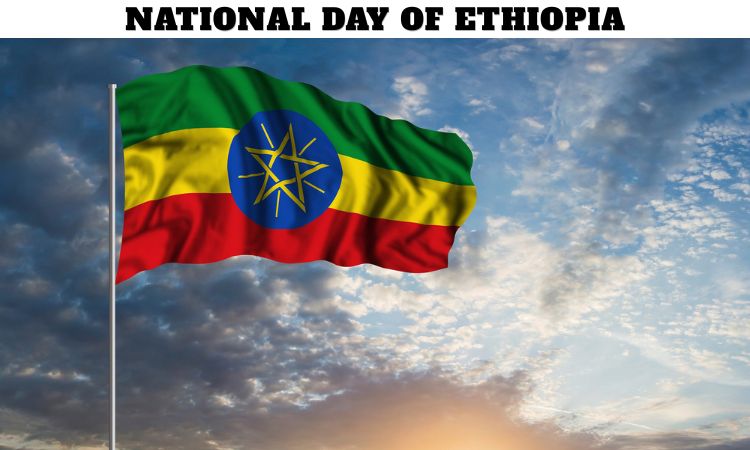
Because of its historical independence and leadership, Ethiopia became a source of pride and inspiration for Africans worldwide. The country’s flag colors also influenced the pan-African movement and the flags of several African nations.
The National Day of Ethiopia celebrates not only national achievements but also the country’s contributions to African unity, freedom, and identity.
Why Is Ethiopian Heritage Important to Preserve?
Preserving Ethiopian heritage is essential because it reflects centuries of history, cultural achievement, and national resilience. Ethiopia’s historical landmarks, languages, manuscripts, traditions, and artistic expressions provide valuable insights into one of the world’s oldest civilizations.
UNESCO World Heritage Sites such as Lalibela, the Simien Mountains, and the ancient city of Aksum demonstrate Ethiopia’s global cultural importance. These sites attract researchers, historians, and travelers interested in learning more about the country’s rich legacy.
Traditional practices such as coffee ceremonies, oral storytelling, and regional crafts continue connecting modern generations to their cultural roots. Educational initiatives and cultural festivals help preserve these traditions for the future.
National Day observances encourage citizens to appreciate and protect Ethiopia’s heritage while promoting national unity and cultural pride.
How Does Ethiopia Celebrate Unity and Diversity on National Day?
Ethiopia is home to numerous ethnic communities, each with its own language, traditions, music, and customs. National Day celebrations provide an opportunity to recognize this diversity while promoting a shared sense of national identity.
Cultural festivals held during the celebrations often feature performances representing different regions and communities. Traditional clothing, dance styles, and cuisines are proudly displayed to highlight the country’s multicultural character.
Schools and organizations may host educational programs focused on tolerance, cooperation, and mutual respect among Ethiopia’s diverse population. Public speeches and community events emphasize unity, peace, and collective progress.
The National Day of Ethiopia reminds citizens that diversity is one of the country’s greatest strengths and encourages collaboration for a better future.
What Role Does Ethiopian Food Play in National Celebrations?
Food is an important part of Ethiopian celebrations and social traditions. During National Day events, families and communities often gather to share traditional meals that symbolize hospitality and togetherness.
Injera, a soft flatbread made from teff flour, is commonly served with stews, vegetables, and meat dishes. Coffee ceremonies are also central to Ethiopian culture and represent friendship, respect, and community connection.
Traditional meals are often prepared for large gatherings during holidays and national celebrations. Restaurants and hotels may offer special menus featuring regional Ethiopian dishes, allowing people to experience the country’s culinary diversity.
The role of food during National Day celebrations reflects the importance of family, unity, and cultural heritage within Ethiopian society.
Why Does the National Day of Ethiopia Matter Today?
The National Day of Ethiopia remains significant because it honors the nation’s resilience, cultural richness, and historical journey. The observance encourages citizens to reflect on past struggles while working toward peace, unity, and national development.
Modern Ethiopia continues facing challenges and opportunities related to economic growth, social progress, and national cohesion. National Day celebrations provide a chance to strengthen patriotic spirit and encourage constructive dialogue about the country’s future.
The day also reminds younger generations about the sacrifices and achievements that shaped modern Ethiopia. Through education, cultural expression, and public participation, the observance helps preserve historical memory and national pride.
For Ethiopians living abroad, the celebration serves as an important connection to their homeland and cultural identity. Communities around the world organize gatherings and cultural events that honor Ethiopia’s traditions and achievements.
Frequently Asked Questions (FAQs)
1. When is the National Day of Ethiopia celebrated?
The National Day of Ethiopia is celebrated annually on May 28.
2. What does the National Day of Ethiopia commemorate?
The day commemorates the fall of the Derg regime in 1991 and marks a significant moment in Ethiopia’s modern history.
3. Why is Ethiopia historically important?
Ethiopia is one of the world’s oldest civilizations and is known for preserving its independence during much of the colonial era.
4. How do Ethiopians celebrate National Day?
Celebrations include cultural performances, public ceremonies, patriotic events, educational programs, and community gatherings.
5. What is Ethiopia famous for culturally?
Ethiopia is famous for its ancient history, traditional music, coffee culture, cuisine, and religious heritage.
6. What is the significance of the Battle of Adwa?
The Battle of Adwa symbolized African resistance against colonialism after Ethiopia defeated Italian forces in 1896.
7. What is Ethiopia’s traditional food?
Traditional Ethiopian food includes injera, doro wat, tibs, and a variety of vegetable and meat stews.
8. Why is Addis Ababa important in Africa?
Addis Ababa is the headquarters of the African Union and an important center for African diplomacy.
9. What languages are spoken in Ethiopia?
Ethiopia has many languages, including Amharic, Oromo, Tigrinya, Somali, and Afar.
10. Why is National Day important for Ethiopians abroad?
The celebration helps Ethiopians abroad stay connected to their culture, heritage, and national identity.