What Is National Bow Tie Day?
National Bow Tie Day is celebrated annually on August 28 as a fun occasion dedicated to one of the most recognizable accessories in fashion: the bow tie. Often associated with formalwear, sophistication, and individuality, the bow tie has remained a popular choice for people who want to add character to their outfits.
Unlike a traditional necktie, a bow tie creates a distinctive appearance around the collar. It can make a formal suit look more polished, give a tuxedo a classic finish, or add a playful touch to a casual outfit. Although bow ties are commonly associated with weddings, black-tie events, and special occasions, modern fashion has expanded their use into everyday clothing.
National Bow Tie Day provides an opportunity to appreciate this small but memorable accessory. It is also a chance to experiment with different colors, patterns, fabrics, and styles while celebrating personal fashion choices.
When Is National Bow Tie Day Celebrated?
National Bow Tie Day is observed every year on August 28. The date gives bow tie enthusiasts, fashion lovers, designers, and anyone looking for a reason to dress differently an opportunity to celebrate the accessory.
August 28 can be marked in many ways. Someone might wear a bow tie to work, choose one for dinner, add one to a wedding outfit, or simply take a photograph wearing a favorite bow tie. Businesses and fashion communities can also use the day to showcase bow tie collections and styling ideas.
Because the celebration is centered around fashion and self-expression, there is no single correct way to observe National Bow Tie Day. The important part is enjoying the style and personality that a bow tie can bring to an outfit.
Why Is the Bow Tie Considered a Special Fashion Accessory?
The bow tie stands out because of its distinctive shape. While a traditional necktie extends vertically down the front of a shirt, a bow tie sits horizontally around the collar. This difference gives it an instantly recognizable appearance.
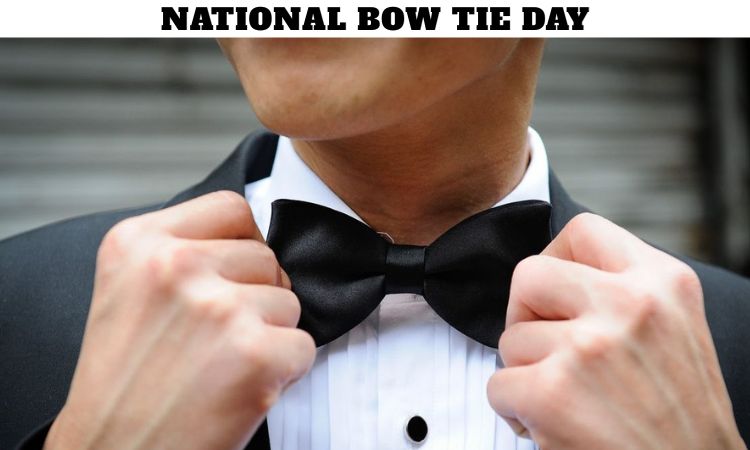
Bow ties are also closely connected with formal fashion. Black bow ties are traditionally worn with tuxedos and are strongly associated with black-tie dress codes. Over time, however, bow ties have become much more versatile.
Today, bow ties are available in countless colors, materials, patterns, and designs. Velvet, silk, cotton, wool, linen, and polyester are among the materials used to make them. Patterns can range from simple solid colors to stripes, checks, florals, polka dots, and novelty prints.
This versatility allows people to choose a bow tie that matches their personality. Someone may prefer a classic black bow tie, while another person might choose a bright color or unusual pattern.
How Did the Bow Tie Become Popular?
The history of the bow tie is connected to the long development of neckwear in European fashion. Earlier forms of neckwear included cloth pieces and cravats worn around the neck. Over time, different tying techniques and styles evolved, eventually contributing to the development of the bow-shaped neck accessory.
By the 19th and early 20th centuries, bow ties had become an established part of men’s fashion. They were especially popular among professionals, performers, intellectuals, and members of fashionable social circles.
The bow tie became particularly important in formalwear. Its association with tuxedos helped establish the black bow tie as an essential element of traditional black-tie clothing.
Although its popularity has changed over different periods, the bow tie has never completely disappeared. Instead, it has repeatedly returned as a fashion statement.
Why Is August 28 a Good Day to Celebrate Bow Ties?
August 28 provides a dedicated date to recognize an accessory that can easily be overlooked. Fashion celebrations often focus on major clothing items, but accessories can have an equally important impact on an outfit.
A bow tie may be small, but it can completely change the appearance of a shirt, jacket, or suit. National Bow Tie Day encourages people to appreciate this role and explore styles they may not normally wear.
The day can also be an opportunity to bring people together. Friends can organize a bow tie-themed gathering, coworkers can have a fun dress-up day, or families can take photographs wearing matching or contrasting bow ties.
What Are the Different Types of Bow Ties?
- There are several common bow tie shapes and styles. The butterfly bow tie is one of the most recognizable designs, featuring relatively large ends that create a classic appearance.
- The batwing bow tie has narrower ends and a more streamlined shape. It often provides a modern and minimalist look.
- The diamond-point bow tie has pointed ends, giving it a distinctive and slightly more dramatic appearance. It can work particularly well for people who want something different from a conventional bow tie.
- Bow ties can also be classified according to how they are worn. Self-tie bow ties require the wearer to tie them manually. They are often preferred by people who appreciate traditional formalwear.
- Pre-tied bow ties come already tied and are attached around the collar. They are convenient and easy to use, especially for people who are unfamiliar with tying a bow tie.
- Clip-on bow ties are designed for quick use and are often popular for children or costumes.
How Can You Choose the Right Bow Tie?
Choosing a bow tie depends on the occasion, outfit, personal style, and desired level of formality. For a black-tie event, a traditional black bow tie made from a formal fabric is usually an appropriate choice.
For weddings, colorful or patterned bow ties can complement the wedding theme. Coordinating the bow tie with a pocket square can create a polished appearance without making the outfit look overly matched.
For casual occasions, cotton, linen, or patterned bow ties can work well with shirts, sweaters, blazers, or even jeans.
The size of the bow tie should also complement the wearer’s face and collar. A bow tie that is extremely large or extremely small can make the overall outfit look unbalanced.
How Should You Wear a Bow Tie?
A bow tie generally works best when worn with a shirt that has an appropriate collar. For formal occasions, it is usually paired with a dress shirt and tuxedo or formal suit.
The bow tie should sit comfortably around the collar without being too tight. Its center should align with the middle of the collar and face.
For a traditional appearance, a self-tied bow tie can provide a slightly imperfect but authentic look. Small differences in the shape of the tied bow are often part of its charm.
People who prefer convenience can choose pre-tied versions. The key is to ensure that the bow tie sits correctly and complements the rest of the outfit.
How Can You Celebrate National Bow Tie Day?
There are plenty of simple ways to celebrate National Bow Tie Day. The easiest option is to wear a bow tie on August 28. You do not need to attend a formal event to participate.
Try wearing a colorful bow tie with a casual shirt. Alternatively, choose a classic black bow tie and dress up for dinner.
You can also learn how to tie a bow tie yourself. Practicing the technique can be a fun challenge, especially for people who normally rely on pre-tied versions.
Another idea is to organize a bow tie-themed party or workplace activity. Participants can wear their favorite bow ties and take photographs. A “best bow tie” contest can add an entertaining element to the celebration.
Fashion enthusiasts can also explore the history of bow ties, discover vintage styles, or create their own bow tie designs.
What Makes Bow Ties Popular in Modern Fashion?
Modern fashion has moved beyond strict rules about when accessories can be worn. This has helped the bow tie find new audiences.
Designers and fashion enthusiasts use bow ties to create different looks, from traditional and elegant to colorful and unconventional. Celebrities, performers, professionals, students, and fashion-conscious individuals have all helped demonstrate the versatility of the accessory.
The bow tie can also communicate personality. A simple black bow tie may suggest elegance, while a bright patterned design can create a cheerful and playful impression.
Because of its distinctive shape, the bow tie can also become the focal point of an outfit. This makes it especially appealing to people who enjoy experimenting with fashion.
What Are Some Fun Facts About Bow Ties?
Bow ties have a long association with formal clothing, particularly tuxedos and black-tie events. The phrase “black tie” itself is closely connected with the traditional black bow tie worn with evening formalwear.
Bow ties are also frequently associated with particular professions and cultural figures. Artists, professors, musicians, entertainers, and public personalities have often adopted the accessory as part of their signature appearance.
The bow tie has also become popular in children’s fashion. Young children may wear colorful bow ties at weddings, birthday celebrations, school events, and family photographs.
Perhaps one of the most interesting things about the bow tie is that it can be both traditional and modern. A classic black bow tie can represent decades of formal fashion history, while a brightly patterned bow tie can look completely contemporary.
Why Does National Bow Tie Day Matter?
National Bow Tie Day may be a lighthearted fashion observance, but it highlights an important idea: clothing can be a form of self-expression.
A bow tie is not necessary for most people’s everyday lives, which is precisely what makes wearing one fun. It provides an opportunity to step outside a normal routine and try something distinctive.
The day can also encourage appreciation for traditional fashion while allowing people to reinterpret classic styles. Whether someone chooses a formal black bow tie or a colorful novelty design, the accessory can become a reflection of personal taste.
Ultimately, National Bow Tie Day is about enjoying fashion without taking it too seriously. It gives people a reason to dress up, experiment, share photographs, and appreciate an accessory that has remained recognizable for generations.
Frequently Asked Questions (FAQs)
1. When is National Bow Tie Day celebrated?
National Bow Tie Day is celebrated annually on August 28.
2. What is National Bow Tie Day?
National Bow Tie Day is a fun observance dedicated to celebrating bow ties, their fashion history, versatility, and role in personal style.
3. Why do people wear bow ties?
People wear bow ties for formal occasions, weddings, celebrations, professional events, fashion statements, and personal expression.
4. Is a bow tie only suitable for formal occasions?
No. Although bow ties are strongly associated with formalwear, modern styles can also be worn with casual shirts, blazers, sweaters, and other everyday clothing.
5. What color bow tie is best for a tuxedo?
A traditional black bow tie is the classic choice for a tuxedo and formal black-tie events.
6. Can women wear bow ties?
Yes. Bow ties are not limited to men’s fashion. Anyone can wear a bow tie as part of formal, professional, casual, or creative clothing.
7. What is the difference between a self-tie and pre-tied bow tie?
A self-tie bow tie must be tied by the wearer, while a pre-tied bow tie comes already tied and is usually easier to put on.
8. How can I celebrate National Bow Tie Day?
You can celebrate by wearing a bow tie, learning to tie one, organizing a bow tie-themed event, taking photographs, or exploring different bow tie styles.
9. Are bow ties still fashionable?
Yes. Bow ties continue to appear in formalwear, wedding fashion, professional clothing, vintage-inspired outfits, and modern fashion.
10. What is the traditional bow tie for a black-tie event?
A black self-tie bow tie is the traditional choice for classic black-tie attire.