

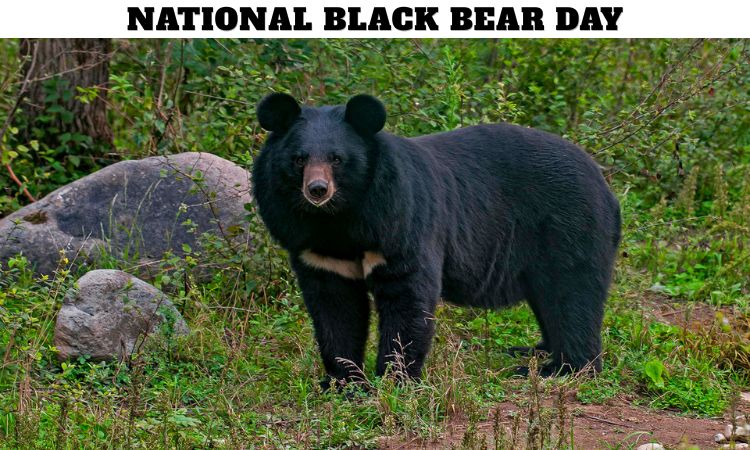
What Is National Black Bear Day and Why Is It Celebrated on June 6?
National Black Bear Day, observed annually on June 6, is dedicated to raising awareness about black bears, their habitats, and the importance of wildlife conservation. The day celebrates one of North America’s most recognizable and adaptable mammals while encouraging people to learn about bear behavior, environmental stewardship, and responsible coexistence with wildlife.
Black bears have long captured human fascination because of their intelligence, strength, adaptability, and ecological importance. Despite their widespread presence in forests, mountains, wetlands, and other habitats, many misconceptions about black bears continue to exist. National Black Bear Day provides an opportunity to replace myths with facts and promote greater understanding of these remarkable animals.
The observance also highlights the challenges black bears face, including habitat loss, human-wildlife conflicts, and environmental changes. Through education and conservation efforts, National Black Bear Day helps foster appreciation and protection for black bear populations.
How Did National Black Bear Day Begin?
National Black Bear Day was established by wildlife conservation advocates who recognized the need to increase public awareness about black bears and their role in natural ecosystems. The observance was created to educate people about the species while encouraging conservation initiatives that support healthy bear populations.
Over the years, National Black Bear Day has gained recognition among wildlife organizations, environmental groups, nature enthusiasts, educators, and conservationists. The holiday serves as a platform for sharing information about bear ecology, habitat preservation, and responsible outdoor practices.
As awareness of environmental issues continues to grow, National Black Bear Day has become an important occasion for promoting respect for wildlife and encouraging sustainable interactions between humans and animals.
What Is a Black Bear?
The black bear, scientifically known as American Black Bear, is the most widely distributed bear species in North America. Despite its name, black bears are not always black. Their fur can range from black and dark brown to cinnamon, blond, and even white in certain regions.
Black bears are medium-sized mammals known for their strong bodies, sharp claws, excellent climbing abilities, and highly developed sense of smell. They are adaptable animals capable of living in a variety of environments, including forests, mountains, swamps, and coastal areas.
These bears are generally solitary creatures, although they may occasionally be seen together in areas where food is abundant. Their adaptability has contributed to their success as a species across diverse habitats.
Why Are Black Bears Important to Ecosystems?
Black bears play an essential role in maintaining healthy ecosystems. As omnivores, they consume a wide range of foods, including berries, nuts, insects, fish, plants, and small animals. Their varied diet helps regulate populations of certain species and contributes to ecological balance.
One of their most important functions is seed dispersal. By consuming fruits and berries and later depositing seeds throughout their range, black bears help support forest regeneration and plant diversity.
Black bears also contribute to nutrient cycling by spreading organic matter across ecosystems. Their foraging activities can influence vegetation patterns and create opportunities for other wildlife species.
The presence of healthy black bear populations often indicates a well-functioning ecosystem with sufficient habitat and biodiversity.
Where Do Black Bears Live?
Black bears inhabit a wide range of environments throughout North America. Their distribution extends across large portions of Canada, the United States, and parts of Mexico.
Forests provide ideal habitat because they offer food, shelter, and protection. Black bears are commonly found in deciduous forests, coniferous forests, mixed woodlands, mountainous regions, and wetlands.
Some populations have adapted to living near human communities, particularly where natural habitats overlap with developed areas. While black bears are highly adaptable, they still depend on large areas of suitable habitat to meet their needs for food, denning sites, and movement corridors.
Protecting these habitats remains essential for the long-term survival of black bear populations.
What Do Black Bears Eat?
Black bears are omnivores with highly varied diets that change throughout the year based on seasonal food availability. Although many people associate bears primarily with hunting or fishing, most of their diet consists of plant-based foods.
Berries, fruits, nuts, grasses, roots, and other vegetation make up a significant portion of their nutrition. Black bears also consume insects, larvae, honey, fish, carrion, and occasionally small mammals.
During periods of abundant food availability, bears spend considerable time feeding to build fat reserves. These reserves are critical for surviving the winter months when bears enter periods of dormancy.
Their flexible diet contributes to their ability to thrive in diverse habitats and changing environmental conditions.
How Do Black Bears Prepare for Winter?
One of the most fascinating aspects of black bear behavior is their preparation for winter. As colder weather approaches, black bears enter a phase known as hyperphagia, during which they dramatically increase their food intake.
During this period, bears consume large quantities of food to accumulate fat reserves. These reserves provide the energy needed to survive months of reduced activity.
In winter, black bears typically retreat to dens located in hollow trees, caves, rock crevices, or other sheltered areas. While often described as hibernation, black bears actually enter a state of dormancy characterized by significantly reduced metabolic activity.
Female bears may give birth to cubs during this period, caring for them within the safety of the den until spring arrives.
What Are Some Common Misconceptions About Black Bears?
National Black Bear Day helps address many common misconceptions about black bears. One widespread myth is that all black bears are aggressive and dangerous. In reality, black bears generally avoid human contact whenever possible.
Another misconception is that black bears are always black in color. As their name suggests, many people assume all individuals have black fur, but color variations are common across different populations.
Some people believe bears actively seek out humans as prey. In fact, black bears typically prefer natural food sources and generally avoid confrontations.
Understanding bear behavior helps reduce fear and encourages more informed approaches to wildlife conservation and coexistence.
How Can People Safely Coexist With Black Bears?
As human development expands into wildlife habitats, coexistence with black bears becomes increasingly important. National Black Bear Day promotes practical strategies for reducing conflicts and protecting both people and bears.
Proper food storage is one of the most effective measures. Securing garbage, pet food, bird feeders, and outdoor cooking supplies helps prevent bears from becoming attracted to residential areas.
When visiting bear habitats, hikers and campers should remain alert, follow local guidelines, and maintain safe distances from wildlife. Feeding bears should never occur because it can alter natural behavior and increase the likelihood of conflicts.
Education and responsible behavior play critical roles in fostering successful coexistence between humans and black bears.
What Threats Do Black Bears Face Today?
Although black bear populations remain relatively stable in many regions, they continue to face several challenges. Habitat loss caused by urban expansion, road construction, and land development reduces available living space and fragments natural ecosystems.
Human-wildlife conflicts can also pose risks. Bears that become accustomed to human food sources may encounter dangerous situations that threaten both their safety and that of nearby communities.
Climate change has the potential to affect food availability, seasonal behavior, and habitat conditions. Changes in weather patterns can influence the distribution of plants and animals that black bears depend upon.
Conservation efforts aimed at habitat protection, public education, and wildlife management help address these challenges and support healthy bear populations.
How Do People Celebrate National Black Bear Day?
People celebrate National Black Bear Day in numerous ways. Wildlife enthusiasts often visit nature centers, parks, and educational exhibits to learn more about black bears and their habitats.
Conservation organizations may host workshops, presentations, and awareness campaigns focused on bear ecology and environmental protection. Schools and educational institutions frequently incorporate wildlife lessons into classroom activities.
Many individuals choose to support conservation initiatives through donations, volunteer work, or participation in habitat restoration projects. Nature photography, wildlife observation, and educational reading are also popular ways to mark the occasion.
Social media platforms often feature educational content, photographs, and conservation messages that help spread awareness about black bears and their importance.
Why Does National Black Bear Day Continue to Matter?
National Black Bear Day remains important because it promotes appreciation, understanding, and conservation of one of North America’s most iconic wildlife species. Black bears play essential ecological roles and represent the health of many natural environments.
The observance encourages people to learn about wildlife, protect habitats, and adopt behaviors that support coexistence with nature. By replacing misconceptions with accurate information, National Black Bear Day fosters respect for black bears and the ecosystems they inhabit.
As environmental challenges continue to affect wildlife populations worldwide, opportunities to educate and inspire conservation action become increasingly valuable. National Black Bear Day serves as a reminder that protecting wildlife benefits not only individual species but entire ecosystems and future generations.
Frequently Asked Questions (FAQs)
1. When is National Black Bear Day celebrated?
National Black Bear Day is observed annually on June 6.
2. What is the purpose of National Black Bear Day?
The day promotes awareness, education, and conservation of black bears and their habitats.
3. What is a black bear?
A black bear is a North American bear species known for its adaptability, intelligence, and ecological importance.
4. Are all black bears black in color?
No. Black bears can also be brown, cinnamon, blond, or even white in some regions.
5. What do black bears eat?
Black bears are omnivores that eat fruits, berries, nuts, insects, fish, plants, and small animals.
6. Where do black bears live?
They live throughout much of North America in forests, mountains, wetlands, and other natural habitats.
7. Are black bears dangerous to humans?
Black bears generally avoid people and are rarely aggressive when left undisturbed.
8. Why are black bears important to ecosystems?
They help disperse seeds, recycle nutrients, and contribute to ecological balance.
9. How can people help protect black bears?
People can support habitat conservation, avoid feeding wildlife, and practice responsible outdoor behavior.
10. How can National Black Bear Day be celebrated?
It can be celebrated through education, wildlife observation, conservation activities, and supporting environmental organizations.