

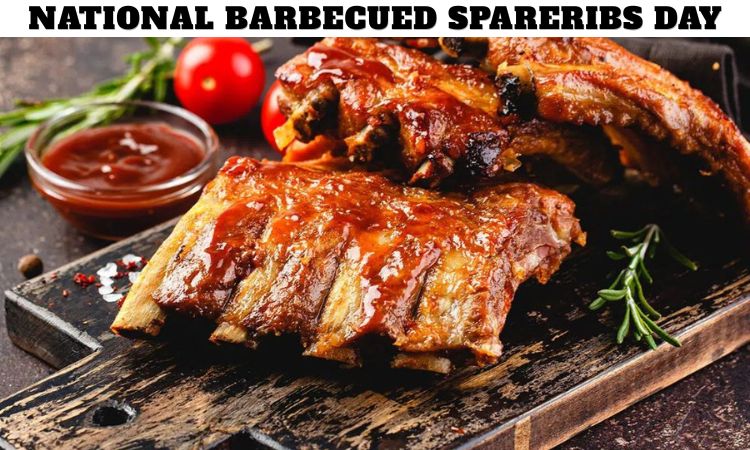
What Is National Barbecued Spareribs Day?
National Barbecued Spareribs Day, celebrated annually on July 4, honors one of America’s most beloved barbecue dishes: barbecued spareribs. This flavorful food holiday recognizes the rich culinary heritage surrounding slow-cooked ribs and the traditions that bring families and communities together around the grill.
Barbecued spareribs have long been a centerpiece of outdoor gatherings, backyard cookouts, family reunions, and holiday celebrations across the United States. Their smoky aroma, tender texture, and savory taste make them a favorite among barbecue enthusiasts.
Observed on the same day as Independence Day in the United States, National Barbecued Spareribs Day perfectly complements July Fourth festivities. As people gather to celebrate freedom with picnics, fireworks, and outdoor parties, spareribs often take center stage on the menu.
The holiday provides an opportunity to appreciate barbecue culture, experiment with new recipes, and enjoy a classic American culinary tradition.
Why Is National Barbecued Spareribs Day Celebrated on July 4?
The connection between National Barbecued Spareribs Day and July 4 is closely tied to longstanding American traditions. Independence Day has historically been associated with outdoor celebrations, communal meals, and barbecue gatherings.
During the summer season, families and friends frequently host cookouts featuring grilled favorites such as hamburgers, hot dogs, chicken, and ribs. Spareribs, in particular, have become synonymous with festive summer celebrations because they are ideal for slow cooking and sharing.
The July 4 observance highlights not only the popularity of barbecued spareribs but also the social importance of gathering around food. The holiday reflects the spirit of togetherness, hospitality, and celebration that characterizes Independence Day festivities throughout the country.
National Barbecued Spareribs Day encourages people to fire up their grills, perfect their barbecue techniques, and create memorable experiences with loved ones.
What Are Spareribs?
Spareribs are cuts of pork taken from the lower portion of a pig’s rib cage, specifically from the belly area and breastbone. They are known for their rich flavor, generous marbling, and tender meat when cooked properly.
Compared to baby back ribs, spareribs are typically larger, flatter, and contain more fat and connective tissue. This composition makes them especially suitable for low-and-slow cooking methods that allow the meat to become tender while developing deep smoky flavors.
A full rack of spareribs usually contains eleven to thirteen bones and can be prepared in various ways, including:
- Smoking
- Grilling
- Oven roasting
- Braising
- Slow cooking
Many pitmasters prefer spareribs because their higher fat content helps keep the meat juicy during extended cooking sessions.
The popularity of spareribs extends beyond the United States, with numerous cultures incorporating ribs into their culinary traditions.
How Did Barbecued Spareribs Become Popular?
The history of barbecued spareribs is deeply intertwined with the broader evolution of barbecue in America. Indigenous peoples in the Americas practiced slow-cooking techniques long before European colonization. These methods eventually influenced the development of modern barbecue traditions.
As various cultural influences merged, including Native American, African, Caribbean, and European cooking practices, barbecue evolved into a distinctly American culinary art form.
Throughout the nineteenth and twentieth centuries, regional barbecue styles emerged across the United States. Cities such as Memphis, Kansas City, St. Louis, and regions throughout the Carolinas became renowned for their unique approaches to cooking ribs.
The growth of roadside barbecue restaurants, community cookouts, and competitive barbecue events further increased the popularity of spareribs. Television cooking programs and food festivals have also contributed to their widespread appeal.
Today, barbecued spareribs remain an iconic dish celebrated by professional chefs and backyard grillers alike.
What Makes Great Barbecued Spareribs?
Creating exceptional barbecued spareribs involves a combination of quality ingredients, proper technique, patience, and attention to detail.
Several factors contribute to outstanding ribs:
- Quality Meat: Fresh, well-marbled spareribs provide the foundation for superior flavor and tenderness.
- Seasoning: Dry rubs featuring ingredients such as paprika, brown sugar, garlic powder, black pepper, chili powder, and salt help develop a rich crust.
- Slow Cooking: Low temperatures over extended periods allow connective tissues to break down gradually.
- Smoke Flavor: Wood varieties such as hickory, oak, apple, and cherry add distinctive aromas and flavors.
- Moisture Control: Maintaining proper humidity and avoiding excessive heat prevents the meat from drying out.
- Barbecue Sauce: Some cooks finish ribs with tangy, sweet, spicy, or smoky sauces that enhance flavor and caramelize during the final cooking stage.
Patience is often considered the secret ingredient in preparing tender, flavorful spareribs.
What Are the Different Regional Styles of Barbecued Ribs?
The United States boasts numerous regional barbecue traditions, each offering unique flavors and cooking methods.
- Memphis Style: Memphis barbecue is famous for dry-rubbed ribs seasoned with spice blends. Some versions are served “wet” with sauce, while others rely entirely on the rub.
- Kansas City Style: Kansas City ribs typically feature thick, sweet, tomato-based sauces with a balance of smoky and tangy flavors.
- St. Louis Style: St. Louis-style ribs involve a trimmed sparerib cut that cooks evenly and is commonly glazed with barbecue sauce.
- Carolina Style: Carolina barbecue often incorporates vinegar-based sauces and emphasizes tangy flavors.
- Texas Style: Texas barbecue traditionally focuses on smoke and meat quality, often using simple seasoning and wood-fired cooking techniques.
- These regional differences showcase the diversity and creativity of American barbecue culture.
Why Are Barbecued Spareribs Associated with Summer Gatherings?
Barbecued spareribs have become synonymous with summer because warm weather encourages outdoor cooking and social gatherings.
Summer holidays such as Independence Day, Labor Day, and Memorial Day often involve backyard parties where grilling serves as both a culinary activity and a social event.
Preparing spareribs typically requires several hours, allowing hosts and guests to relax, converse, and enjoy one another’s company while food slowly cooks.
The sensory experience also contributes to their popularity. The smell of smoke drifting through the air, the sound of sizzling meat, and the anticipation of a delicious meal create a festive atmosphere.
These traditions have helped establish barbecued spareribs as an essential component of American summertime celebrations.
How Can People Celebrate National Barbecued Spareribs Day?
There are numerous enjoyable ways to celebrate National Barbecued Spareribs Day.
One of the most popular options is hosting a backyard barbecue featuring homemade spareribs. Families and friends can experiment with different rubs, marinades, sauces, and cooking techniques.
Additional celebration ideas include:
- Visiting a local barbecue restaurant.
- Participating in a neighborhood cookout.
- Trying a new regional rib recipe.
- Attending a barbecue festival or competition.
- Organizing a friendly rib-cooking contest.
- Sharing favorite barbecue recipes with others.
- Learning smoking techniques from experienced pitmasters.
Food enthusiasts may also explore side dishes traditionally served with ribs, such as coleslaw, baked beans, cornbread, potato salad, and grilled vegetables.
Celebrating the holiday allows people to honor culinary traditions while creating lasting memories.
What Side Dishes Pair Best with Barbecued Spareribs?
A great rib meal often includes complementary side dishes that balance rich, smoky flavors.
Popular accompaniments include:
- Coleslaw
- Corn on the cob
- Baked beans
- Macaroni and cheese
- Potato salad
- Cornbread
- Pickles
- Grilled vegetables
- French fries
- Garden salads
These dishes provide contrasting textures and flavors that enhance the overall dining experience.
Desserts such as peach cobbler, apple pie, or ice cream are also common additions to barbecue gatherings, especially during summer celebrations.
Thoughtfully selected side dishes can elevate a simple barbecue meal into a memorable feast.
Why Does National Barbecued Spareribs Day Continue to Grow in Popularity?
National Barbecued Spareribs Day continues to gain popularity because barbecue culture remains deeply rooted in American society. Cooking shows, social media platforms, food festivals, and competitive barbecue events have inspired new generations of home cooks.
People increasingly value shared dining experiences, and barbecue naturally fosters connection and community. The tradition of gathering around a grill transcends age, background, and geography.
In addition, advances in grilling equipment and online recipe resources have made preparing restaurant-quality ribs more accessible than ever.
National Barbecued Spareribs Day celebrates more than a delicious dish. It honors a culinary tradition that brings people together, preserves regional heritage, and showcases the enduring appeal of slow-cooked barbecue. Whether enjoyed at home, at a restaurant, or at a festive cookout, barbecued spareribs remain a timeless favorite worthy of celebration every July 4.
Frequently Asked Questions (FAQs)
1. When is National Barbecued Spareribs Day celebrated?
National Barbecued Spareribs Day is celebrated annually on July 4.
2. What is National Barbecued Spareribs Day?
It is a food holiday dedicated to celebrating barbecued pork spareribs and barbecue traditions.
3. What are spareribs?
Spareribs are cuts of pork taken from the lower section of the rib cage.
4. Why are spareribs popular for barbecues?
Their rich flavor and tenderness make them ideal for slow cooking and smoking.
5. What is the difference between spareribs and baby back ribs?
Spareribs are larger, flatter, and contain more fat than baby back ribs.
6. Which woods are commonly used for smoking ribs?
Popular choices include hickory, oak, apple, cherry, and mesquite wood.
7. How long does it usually take to cook spareribs?
Spareribs are typically cooked slowly for several hours to achieve tenderness.
8. What side dishes pair well with barbecued spareribs?
Common side dishes include coleslaw, baked beans, cornbread, and potato salad.
9. Can spareribs be cooked without a smoker?
Yes, spareribs can be prepared using grills, ovens, slow cookers, or braising methods.
10. How can people celebrate National Barbecued Spareribs Day?
People can celebrate by hosting cookouts, trying new recipes, or visiting barbecue restaurants.