

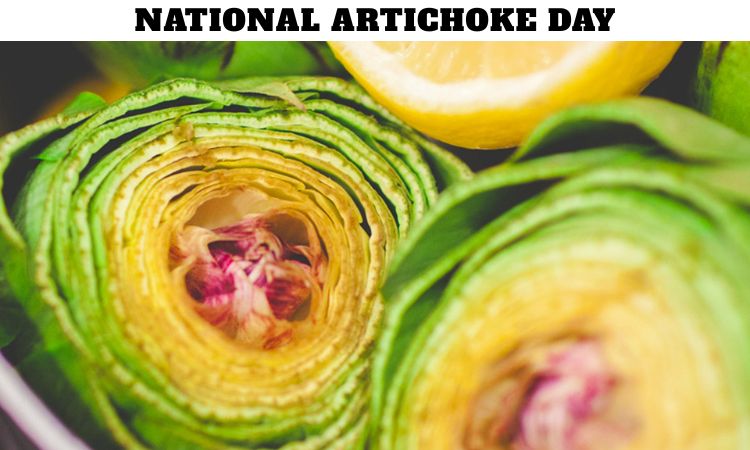
Every year on March 16, food lovers and culinary enthusiasts come together to celebrate National Artichoke Day, a delightful occasion dedicated to honoring one of the most distinctive and nutritious vegetables in the world. Known for its layered leaves, rich taste, and impressive health benefits, the artichoke has earned a special place in global cuisine. This observance encourages us to explore the vegetable’s fascinating history, nutritional value, culinary versatility, and cultural significance.
National Artichoke Day is more than just a tribute to a vegetable — it is a celebration of healthy eating, gourmet creativity, and agricultural heritage. From Mediterranean kitchens to modern fine dining restaurants, artichokes continue to inspire chefs and home cooks alike.
The Origin and History of Artichokes
Artichokes have a long and intriguing history that dates back thousands of years. Believed to have originated in the Mediterranean region, this vegetable was highly valued by ancient civilizations. Historical records suggest that artichokes were cultivated in North Africa and later spread across Europe, where they became a symbol of luxury and refinement.
During the Renaissance period, artichokes gained popularity among royal families and aristocrats. They were considered a delicacy due to their unique flavor and the effort required to prepare them. Over time, the vegetable made its way to different parts of the world, becoming an integral part of diverse culinary traditions.
Today, National Artichoke Day provides an opportunity to recognize the journey of this extraordinary plant from ancient fields to modern dining tables.
Understanding the Artichoke Plant
The artichoke is actually the immature flower bud of a thistle plant. If left unharvested, it blooms into a vibrant purple flower. Its edible portions include the tender inner leaves, the fleshy base known as the “heart,” and the stem.
Artichokes require specific growing conditions, including mild climates and well-drained soil. Farmers invest significant effort into cultivating these plants, which further adds to their value. The vegetable’s intricate structure and delicate taste make it one of the most fascinating ingredients in the culinary world.
Nutritional Benefits of Artichokes
One of the main reasons National Artichoke Day deserves recognition is the vegetable’s exceptional nutritional profile. Artichokes are packed with essential vitamins, minerals, and antioxidants that contribute to overall health.
Rich in Fiber
Artichokes are among the highest fiber-containing vegetables. Dietary fiber supports digestion, helps regulate blood sugar levels, and promotes a feeling of fullness.
Loaded with Antioxidants
These vegetables contain powerful antioxidants that help protect the body from oxidative stress. Regular consumption may contribute to improved cellular health and reduced risk of chronic diseases.
Supports Heart Health
Artichokes are known to help maintain healthy cholesterol levels. They also contain potassium, which plays a role in regulating blood pressure and supporting cardiovascular function.
Boosts Liver Function
Certain compounds in artichokes may promote liver detoxification and improve bile production. This benefit makes them a popular ingredient in wellness-focused diets.
Culinary Uses of Artichokes
Artichokes are celebrated for their versatility in the kitchen. National Artichoke Day encourages us to experiment with various cooking methods and flavor combinations.
Steamed Artichokes
Steaming is one of the simplest ways to prepare artichokes. The leaves can be dipped in sauces such as garlic butter or lemon aioli, creating a delightful appetizer.
Grilled Artichokes
Grilling enhances the vegetable’s natural smokiness. Marinating artichoke hearts with herbs and olive oil adds depth and richness to the dish.
Artichoke Pasta and Risotto
Incorporating artichokes into pasta or risotto brings a creamy texture and subtle bitterness that balances other ingredients beautifully.
Artichoke Dips
Spinach and artichoke dip is a beloved party favorite. This dish highlights the vegetable’s ability to blend seamlessly with cheeses and seasonings.
Cultural Significance of Artichokes
Artichokes hold cultural importance in several regions, particularly in Mediterranean countries. They are featured in traditional recipes and seasonal festivals that celebrate local agriculture.
In many communities, preparing artichokes is a shared activity that strengthens family bonds. Recipes are passed down through generations, preserving culinary heritage and fostering a sense of identity.
National Artichoke Day serves as a reminder of how food connects us to our roots and to each other.
How to Celebrate National Artichoke Day?
There are numerous creative ways to participate in National Artichoke Day festivities.
Cooking New Recipes
Trying a new artichoke recipe is one of the most enjoyable ways to celebrate. Exploring global cuisines can introduce exciting flavors and techniques.
Hosting a Food Gathering
Inviting friends and family for an artichoke-themed meal creates memorable experiences. Sharing dishes and stories enhances the joy of the occasion.
Visiting Farmers’ Markets
Supporting local farmers by purchasing fresh artichokes contributes to sustainable agriculture and strengthens community ties.
Learning About Nutrition
Using the day to educate ourselves about the health benefits of vegetables encourages long-term dietary improvements.
Artichokes in Modern Food Trends
As consumers become more health-conscious, artichokes are gaining popularity in plant-based and gourmet diets. Chefs are incorporating them into innovative dishes that showcase their unique flavor profile.
From vegan pizzas to nutrient-rich salads, artichokes are proving that traditional ingredients can adapt to contemporary tastes. National Artichoke Day highlights the vegetable’s role in shaping future culinary trends.
Tips for Selecting and Storing Artichokes
Choosing high-quality artichokes ensures the best culinary results. Look for buds that are firm, heavy, and vibrant green. Avoid those with dry or split leaves.
To maintain freshness, store artichokes in the refrigerator and use them within a few days. Proper preparation, including trimming and soaking, helps preserve their texture and flavor.
Environmental Benefits of Growing Artichokes
Artichoke cultivation can contribute positively to the environment when managed sustainably. These plants are relatively resilient and can thrive in regions with limited water resources.
Encouraging responsible farming practices supports biodiversity and reduces the environmental impact of food production. National Artichoke Day provides an opportunity to promote awareness about sustainable agriculture.
Encouraging Healthy Eating Habits
Celebrations like National Artichoke Day play a role in motivating people to incorporate more vegetables into their diets. By highlighting the taste and benefits of artichokes, we can inspire healthier lifestyle choices.
Educational campaigns, cooking demonstrations, and community events can make nutritious foods more accessible and appealing.
Conclusion: Honoring the Artichoke on March 16
National Artichoke Day is a flavorful celebration that recognizes the vegetable’s historical significance, nutritional value, and culinary versatility. By participating in this observance, we acknowledge the farmers who cultivate artichokes, the chefs who transform them into delicious dishes, and the communities that cherish their traditions.
Frequently Asked Questions (FAQs)
1. What is National Artichoke Day?
National Artichoke Day is a food observance celebrated on March 16 each year to honor the unique taste, nutritional value, and culinary versatility of artichokes.
2. Why are artichokes celebrated on this day?
This day highlights the importance of artichokes in global cuisine, their health benefits, and their long history as a prized vegetable in many cultures.
3. Where did artichokes originally come from?
Artichokes are believed to have originated in the Mediterranean region, where they were cultivated and enjoyed by ancient civilizations.
4. What part of the artichoke is edible?
The edible parts include the tender inner leaves, the fleshy heart, and the stem, while the outer leaves and fuzzy choke are usually discarded.
5. How can we celebrate National Artichoke Day?
People can celebrate by cooking artichoke recipes, hosting themed meals, visiting farmers’ markets, or learning about the nutritional benefits of vegetables.
6. Are artichokes healthy to eat?
Yes, artichokes are rich in fiber, antioxidants, vitamins, and minerals, making them beneficial for digestion, heart health, and overall wellness.
7. What are popular dishes made with artichokes?
Common dishes include steamed artichokes, grilled artichokes, spinach artichoke dip, pasta, risotto, and salads.
8. How do you choose fresh artichokes?
Fresh artichokes should feel firm and heavy, with tightly packed green leaves and no signs of dryness or browning.
9. Can artichokes be grown at home?
Yes, artichokes can be grown in home gardens in mild climates with well-drained soil and adequate sunlight.
10. What is the main purpose of National Artichoke Day?
The purpose is to promote appreciation for this nutritious vegetable, encourage healthy eating habits, and celebrate culinary creativity.