

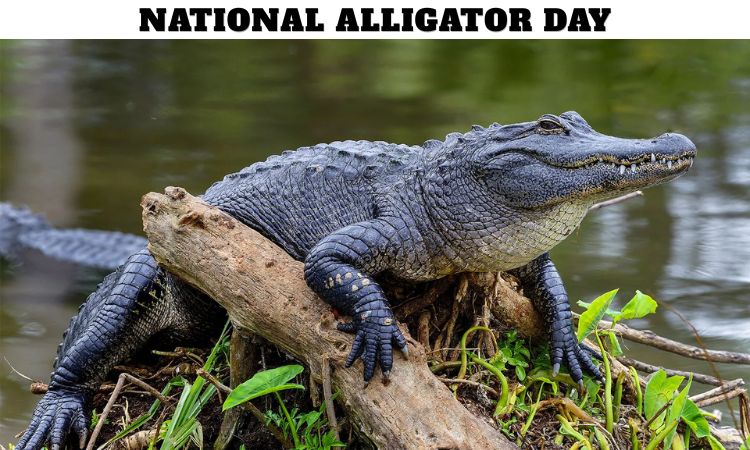
What Is National Alligator Day and Why Is It Celebrated on May 29?
National Alligator Day, celebrated annually on May 29, is a wildlife awareness observance dedicated to appreciating alligators and promoting education about their ecological importance, behavior, conservation, and role in natural ecosystems. The day highlights one of the most fascinating reptiles in North America and encourages people to learn more about these powerful and ancient creatures.
Alligators have existed for millions of years and are often considered living remnants of prehistoric times. Their unique appearance, survival abilities, and role as apex predators make them an important part of wetland ecosystems.
National Alligator Day also focuses on conservation and environmental awareness. Through educational programs, wildlife exhibitions, documentaries, and community activities, people are encouraged to understand how alligators contribute to biodiversity and ecosystem balance.
The observance helps reduce myths and misunderstandings about alligators while promoting respect for wildlife and responsible interaction with natural habitats.
What Makes Alligators Unique Among Reptiles?
Alligators are among the most remarkable reptiles because of their powerful bodies, strong jaws, excellent swimming abilities, and long evolutionary history. They belong to the crocodilian family and have survived on Earth for millions of years with relatively few physical changes.
One of the most distinctive features of alligators is their broad, rounded snout and armored skin covered with tough scales. Their muscular tails help them swim efficiently, while their sharp teeth allow them to catch and consume a variety of prey.
Alligators are semi-aquatic animals that spend time both in water and on land. They are skilled hunters and can remain motionless for long periods while waiting for prey.
Despite their intimidating appearance, alligators are highly adapted creatures that play an important ecological role in maintaining healthy wetland environments.
Where Do Alligators Live?
Alligators primarily live in freshwater environments such as swamps, marshes, rivers, lakes, and wetlands. The American alligator is mainly found in the southeastern United States, especially in states such as Florida and Louisiana.
The Chinese alligator, a much smaller and critically endangered species, is found in parts of eastern China. Both species prefer warm climates and habitats with abundant water and vegetation.
Wetlands provide ideal environments for alligators because they offer shelter, food sources, and nesting areas. These ecosystems also support many other species, making alligators important members of larger ecological communities.
National Alligator Day encourages awareness about protecting wetlands and preserving natural habitats that support alligator populations and biodiversity.
Why Are Alligators Important to Ecosystems?
Alligators play a crucial role in maintaining ecological balance within wetland environments. As apex predators, they help control populations of fish, turtles, birds, and other animals, preventing overpopulation and supporting biodiversity.
Alligators also create habitats for other wildlife through the formation of “alligator holes.” These depressions retain water during dry seasons, providing refuge for fish, amphibians, insects, and birds.
Their nesting activities contribute to nutrient distribution and vegetation growth in wetlands. Because alligators influence many aspects of their environment, they are considered a keystone species in many ecosystems.
Healthy alligator populations often indicate healthy wetland ecosystems. National Alligator Day highlights the importance of protecting these environments for wildlife conservation and ecological sustainability.
How Have Alligator Populations Recovered Over Time?
American alligator populations once faced serious decline due to hunting, habitat destruction, and illegal trade. During the mid-20th century, alligators were considered endangered in many areas.
Conservation efforts, legal protections, habitat preservation, and regulated wildlife management programs helped alligator populations recover significantly. The American alligator became one of the most successful examples of wildlife conservation in the United States.
Today, alligators are protected under state and federal laws, and their populations have stabilized in many regions. Conservation programs continue focusing on habitat protection and responsible management practices.
National Alligator Day celebrates this conservation success while reminding people about the importance of protecting wildlife and natural habitats for future generations.
What Do Alligators Eat?
Alligators are carnivorous animals with diets that vary depending on their age and habitat. Young alligators typically eat insects, fish, frogs, and small aquatic animals. As they grow larger, their diet expands to include turtles, birds, snakes, mammals, and larger fish.
Alligators are opportunistic predators, meaning they adapt their feeding habits based on available food sources. They usually hunt by waiting quietly in the water before quickly capturing prey with powerful jaws.
Although they are skilled hunters, alligators do not need to eat every day. Their slow metabolism allows them to survive for long periods between meals.
National Alligator Day provides an opportunity for wildlife educators and conservation centers to teach people about alligator behavior, feeding habits, and ecological roles.
How Do Alligators Behave in the Wild?
Alligators are generally solitary and territorial animals, although they may gather in areas with abundant food or suitable habitat conditions. They are most active during warmer months and often spend time basking in the sun to regulate body temperature.
Despite their reputation as aggressive animals, alligators usually avoid humans unless they feel threatened or are provoked. Wildlife experts emphasize the importance of maintaining safe distance and respecting natural habitats.
Female alligators are known for protecting their nests and young. Mothers often guard eggs carefully and assist hatchlings after they emerge. Young alligators stay near their mothers for protection during the early stages of life.
National Alligator Day encourages responsible wildlife observation and public understanding of alligator behavior in natural environments.
Why Is Wetland Conservation Important for Alligators?
Wetlands are essential for alligator survival because they provide food, shelter, nesting sites, and breeding grounds. However, many wetlands around the world face threats from urban development, pollution, drainage, and climate change.
Protecting wetlands benefits not only alligators but also countless other species that depend on these ecosystems for survival. Wetlands help improve water quality, reduce flooding, and support biodiversity.
Conservation organizations and environmental agencies work to restore damaged wetlands and promote sustainable land management practices. Public awareness and education are important parts of these efforts.
National Alligator Day highlights the connection between wildlife conservation and environmental protection while encouraging people to support habitat preservation initiatives.
How Is National Alligator Day Celebrated?
National Alligator Day is celebrated through educational programs, wildlife exhibits, environmental campaigns, and outdoor activities focused on reptile awareness and conservation.
Zoos, wildlife parks, and nature centers often organize special events featuring alligator presentations, feeding demonstrations, and educational talks about reptile biology and habitat protection.
Schools and environmental organizations may host workshops and discussions about wetland ecosystems, biodiversity, and wildlife conservation. Documentaries and educational media also help people learn more about alligators and their natural behavior.
Photography enthusiasts and nature lovers use the day to explore wetlands and appreciate wildlife in natural settings. National Alligator Day encourages people to develop respect for reptiles and support environmental conservation efforts.
Why Does National Alligator Day Continue to Matter Today?
National Alligator Day remains important because it promotes wildlife education, conservation awareness, and environmental responsibility. As urban development and climate change continue affecting natural habitats, protecting wetland ecosystems becomes increasingly important.
The observance also helps correct misconceptions about alligators by encouraging scientific understanding and responsible coexistence with wildlife. Many people learn that alligators are not simply dangerous predators but essential parts of healthy ecosystems.
Conservation success stories related to alligator recovery demonstrate how environmental protection and legal safeguards can help species recover from decline.
National Alligator Day inspires appreciation for biodiversity, ecological balance, and the importance of preserving wildlife for future generations.
Frequently Asked Question (FAQs)
1. When is National Alligator Day celebrated?
National Alligator Day is celebrated every year on May 29.
2. What is the purpose of National Alligator Day?
The day promotes awareness about alligators, wildlife conservation, and wetland ecosystems.
3. Where do American alligators live?
American alligators mainly live in the southeastern United States, especially in Florida and Louisiana.
4. Are alligators endangered?
American alligators are no longer endangered due to successful conservation efforts, but Chinese alligators remain critically endangered.
5. What do alligators eat?
Alligators eat fish, birds, turtles, mammals, insects, and other animals depending on their size and habitat.
6. Why are alligators important to ecosystems?
They help maintain ecological balance and create habitats that support other wildlife species.
7. How long have alligators existed on Earth?
Alligators have existed for millions of years and are considered ancient reptiles.
8. Are alligators aggressive toward humans?
Alligators generally avoid humans unless threatened or provoked.
9. Why are wetlands important for alligators?
Wetlands provide food, shelter, nesting areas, and breeding grounds for alligators.
10. How can people celebrate National Alligator Day?
People can visit wildlife centers, learn about conservation, watch documentaries, and support wetland protection efforts.