

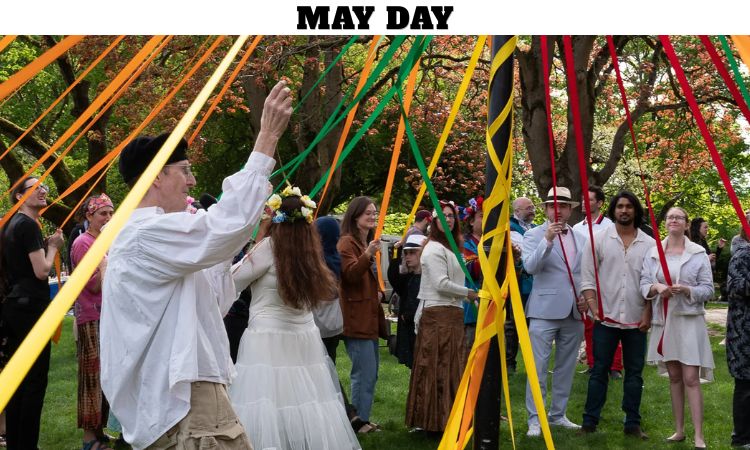
Every year on May 1, millions of people around the world celebrate May Day, one of the most historically significant and culturally diverse observances on the global calendar. Depending on the country, May Day may symbolize workers’ rights, labor movements, spring festivals, political activism, ancient seasonal traditions, or community celebrations. Few dates hold such a powerful combination of historical struggle and joyful renewal.
May Day stands at the crossroads of history and culture. For some, it is International Workers’ Day, honoring laborers and their fight for fair wages and humane working conditions. For others, it marks the arrival of spring with flower festivals, dancing, and age-old customs. This unique dual identity makes May Day one of the world’s most fascinating annual observances.
What Is May Day and Why Is It Celebrated on May 1?
May Day, celebrated every year on May 1, has both ancient seasonal roots and modern political significance. Historically, it was associated with spring festivals in Europe, where communities celebrated fertility, renewal, and the changing season. Over time, May 1 also became internationally recognized as a day honoring workers and labor rights.
The date gained political significance in the late 19th century due to labor demonstrations advocating for the eight-hour workday, particularly following the Haymarket affair in Chicago in 1886. As a result, May Day became a global symbol of worker solidarity.
Today, May Day reflects two powerful themes:
- Celebration of spring and renewal
- Recognition of workers’ contributions and labor rights
How Did Ancient Spring Traditions Shape May Day Celebrations?
Long before labor movements adopted May 1, many cultures celebrated this period as a seasonal turning point. Ancient European festivals marked the midpoint between spring equinox and summer solstice, symbolizing fertility, growth, and abundance.
Traditional customs included:
- Maypole dancing
- Flower crowns
- Bonfires
- Community feasts
- Singing and outdoor festivities
In Celtic traditions, Beltane was celebrated around this time, emphasizing nature, fire, and life renewal. These customs continue in some regions today, preserving May Day’s joyful seasonal roots.
Why Is May Day Associated With International Workers’ Rights?
Modern May Day’s political importance emerged from labor struggles in the 19th century. Industrial workers faced long hours, unsafe conditions, and limited rights. On May 1, 1886, workers across the United States organized strikes demanding an eight-hour workday.
The Haymarket affair in Chicago became a defining moment after a labor protest turned violent. Though tragic, it galvanized international labor movements.
In 1889, socialist and labor organizations declared May 1 as International Workers’ Day to honor these efforts and continue advocating for worker justice.
Today, many countries observe May Day with:
- Labor marches
- Political speeches
- Worker recognition events
- Public demonstrations
How Is May Day Celebrated Around the World?
May Day celebrations vary dramatically by culture and country.
Common global traditions include:
- Workers’ rallies in countries like India, Germany, and Cuba
- Spring festivals in parts of Europe
- Lei Day in Hawaii
- Maypole events in England
- Public holidays in many nations
In some places, May Day is deeply political, while in others it remains festive and family-oriented.
This diversity reflects the holiday’s broad historical evolution.
What Is the Significance of the Maypole in Traditional Celebrations?
The Maypole is one of May Day’s most recognizable symbols in traditional spring celebrations. Typically decorated with ribbons and flowers, it represents fertility, unity, and communal joy.
Participants dance around the pole, weaving colorful ribbons in intricate patterns, symbolizing harmony and seasonal renewal.
Though more common in European celebrations, the Maypole remains an iconic image of May Day’s pre-industrial heritage.
Why Does May Day Remain Relevant in Modern Society?
May Day remains deeply relevant because it addresses both timeless human needs:
- Celebration of life and community
- Advocacy for dignity and fairness in work
Labor rights continue to be a global issue, with discussions around wages, workers’ protections, automation, and economic inequality.
At the same time, modern lifestyles often create a longing for seasonal traditions and communal celebrations, making May Day’s springtime roots equally meaningful.
How Has May Day Influenced Social and Political Movements?
May Day has long served as a platform for collective voices. Labor unions, social reformers, and activists have used May 1 to advocate for:
- Fair wages
- Safe workplaces
- Equality
- Social justice
- Economic reform
Its symbolic power lies in unity. Workers from different industries and countries often use May Day to emphasize solidarity.
This activism has helped shape labor laws and public awareness worldwide.
What Are Common Symbols of May Day?
May Day symbols differ based on tradition, but often include:
- Red flags for labor solidarity
- Flowers for spring renewal
- Maypoles for celebration
- Raised fists for worker activism
- Garlands and greenery for fertility
These symbols reflect May Day’s dual identity as both political and seasonal.
How Can Families and Communities Celebrate May Day Today?
Modern May Day celebrations can blend history, culture, and community spirit.
Ideas include:
- Hosting spring picnics
- Learning about labor history
- Supporting workers’ rights initiatives
- Participating in cultural festivals
- Creating flower baskets
- Teaching children about seasonal traditions
This flexibility makes May Day accessible and meaningful for all generations.
Why Is May Day One of the World’s Most Unique Holidays?
Few holidays balance celebration and activism as powerfully as May Day. It simultaneously honors:
- Workers’ struggles
- Social progress
- Cultural heritage
- Seasonal renewal
This layered significance allows May Day to remain globally relevant across political systems and cultural traditions.
It is a day where history, justice, and joy coexist.
What Can May Day Teach Us About Unity and Progress?
May Day reminds us that societal progress often comes through collective effort, whether through labor reform or community celebration. It teaches the importance of standing together for dignity while also embracing life’s renewal.
On May 1, May Day encourages us to honor the workers who sustain society, the traditions that connect us to history, and the communities that shape our future.
It remains a powerful symbol of resilience, hope, and shared humanity.
Frequently Asked Questions (FAQs)
1. When is May Day celebrated?
May Day is celebrated every year on May 1.
2. What is May Day known for?
It is known for both International Workers’ Day and spring celebrations.
3. Why is May 1 important to workers?
It honors labor movements and the fight for workers’ rights.
4. What is a Maypole?
A Maypole is a decorated pole used in traditional spring festivals.
5. Is May Day a public holiday?
In many countries, yes, May Day is an official public holiday.
6. What happened on May 1, 1886?
Workers organized strikes demanding an eight-hour workday.
7. How do people celebrate traditional May Day?
With dancing, flowers, festivals, and seasonal customs.
8. Is May Day political?
In many regions, it has strong labor and political significance.
9. What does May Day symbolize?
It symbolizes labor rights, unity, spring, and renewal.
10. Can families celebrate May Day?
Yes, families can enjoy festivals, cultural traditions, and educational activities.