

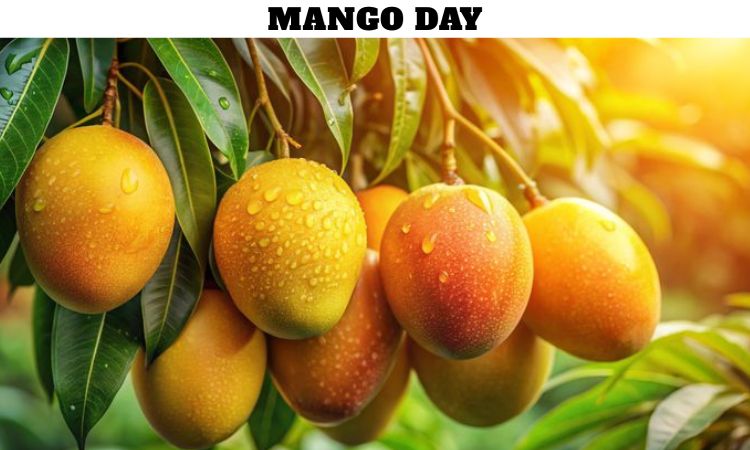
What Is Mango Day and Why Is It Celebrated on July 22?
Mango Day, celebrated every year on July 22, is dedicated to honoring one of the world’s most beloved tropical fruits—the mango. Known as the “King of Fruits,” the mango has delighted people for thousands of years with its rich flavor, vibrant color, juicy texture, and remarkable nutritional value. This special day encourages people to appreciate the fruit’s cultural importance, health benefits, and culinary versatility while enjoying fresh mangoes in countless delicious ways. Whether eaten fresh, blended into smoothies, transformed into desserts, or added to savory dishes, mangoes continue to be a favorite ingredient across many cuisines. Mango Day also recognizes the hard work of farmers who cultivate mango orchards and contribute to the global fruit industry. Every July 22, families, food lovers, chefs, and fruit enthusiasts celebrate by sharing mango recipes, tasting different varieties, and learning more about the fruit’s fascinating history.
How Did Mango Day Begin?
Although the exact origin of Mango Day remains unclear, the celebration developed as mangoes gained international popularity and recognition as one of the world’s finest tropical fruits. Mangoes have been cultivated for more than 4,000 years, with their roots tracing back to South Asia, particularly India, where they hold deep cultural, religious, and historical significance. As mango cultivation expanded to Southeast Asia, Africa, the Middle East, the Caribbean, and the Americas, the fruit became an international favorite. The establishment of Mango Day offers an opportunity to celebrate not only the fruit itself but also the traditions, festivals, and agricultural heritage associated with mango farming. Over time, social media, food festivals, local markets, and culinary events have helped make July 22 an enjoyable annual celebration for mango lovers around the globe.
Why Is the Mango Known as the King of Fruits?
The mango has earned the title “King of Fruits” because of its exceptional taste, nutritional richness, widespread popularity, and incredible diversity. Unlike many fruits, mangoes offer a perfect balance of sweetness, aroma, juiciness, and texture that appeals to people of all ages. They are available in hundreds of varieties, each with unique flavors, colors, shapes, and sizes. Some mangoes are intensely sweet, while others offer a pleasant tangy flavor. Their versatility allows them to be used in beverages, desserts, salads, curries, sauces, pickles, and even grilled dishes. Beyond their culinary appeal, mangoes have symbolic importance in many cultures and are often associated with prosperity, happiness, and abundance. Their long history and global admiration make the title “King of Fruits” well deserved.
What Is the History of Mango Cultivation?
Mango cultivation dates back over four millennia, making it one of the oldest cultivated fruits in the world. Historical records indicate that mango trees first grew naturally in the Indian subcontinent before spreading throughout Asia. Ancient traders and travelers carried mango seeds across neighboring countries, allowing the fruit to flourish in tropical climates. Buddhist monks are believed to have introduced mangoes to Southeast Asia centuries ago, while Portuguese explorers later transported them to Africa and South America. Today, mangoes are cultivated in more than 100 countries, with India remaining the world’s largest producer. Over centuries, selective breeding has produced hundreds of mango varieties, each adapted to local climates and consumer preferences. The fruit continues to play an essential role in agriculture, trade, and cultural traditions across many regions.
Why Are Mangoes Considered a Superfruit?
Mangoes are often described as a superfruit because they provide an impressive combination of vitamins, minerals, antioxidants, and dietary fiber. They are an excellent source of vitamin C, which supports immune function and helps maintain healthy skin. Mangoes also contain vitamin A, an essential nutrient for vision and immune health, along with vitamin E, vitamin K, folate, potassium, and several B vitamins. Their antioxidant compounds help protect cells against oxidative stress, while dietary fiber supports healthy digestion and promotes gut health. Natural enzymes found in mangoes may assist with digestion, making them both nutritious and easy to enjoy. Despite their naturally sweet taste, mangoes can be part of a balanced diet when consumed in moderation, making them a healthy choice for people seeking delicious and nutrient-rich fruits.
How Do Different Countries Celebrate Mango Day?
Mango Day celebrations vary depending on local traditions, agricultural practices, and culinary customs. In mango-producing regions, local markets often showcase seasonal varieties while farmers organize exhibitions highlighting premium fruits. Food festivals may feature mango desserts, beverages, cooking competitions, and recipe demonstrations. Restaurants frequently introduce special mango-inspired menus during the celebration. Families often prepare homemade mango treats such as smoothies, milkshakes, puddings, ice cream, jams, and fruit salads. Schools may organize educational activities teaching children about fruit farming, healthy eating, and sustainable agriculture. Social media has also transformed Mango Day into an international event, with people sharing colorful photographs, recipes, and creative serving ideas. These celebrations reflect the fruit’s universal popularity while promoting healthy eating and supporting local agriculture.
What Are Some of the Most Popular Mango Varieties?
One of the fascinating aspects of mangoes is the enormous variety available worldwide. India alone produces hundreds of cultivars, including Alphonso, Kesar, Dasheri, Langra, Banganapalli, Chausa, and Himsagar. Thailand is known for Nam Dok Mai, while the Philippines is famous for Carabao mangoes. Mexico exports varieties such as Ataulfo, Kent, Tommy Atkins, and Haden, each offering distinct sweetness and texture. Some mangoes are ideal for eating fresh, while others work best in juices, desserts, or cooking. Differences in fiber content, aroma, sweetness, and flesh color allow consumers to enjoy unique experiences depending on the variety they choose. This incredible diversity contributes significantly to the fruit’s worldwide popularity.
What Are the Best Ways to Enjoy Mangoes?
Mangoes can be enjoyed in countless creative ways, making them one of the most versatile fruits available. Fresh mango slices remain the simplest and most popular option, but the fruit also shines in smoothies, milkshakes, yogurt bowls, fruit salads, and tropical juices. Bakers incorporate mangoes into cakes, muffins, cheesecakes, tarts, and pastries, while chefs prepare mango salsa, chutneys, curries, and grilled dishes that combine sweet and savory flavors. Frozen mango pieces make refreshing summer snacks, and homemade mango ice cream, sorbet, and popsicles are perfect for warm weather. Dried mangoes provide convenient travel snacks, while pickled green mangoes remain traditional favorites in several countries. This versatility ensures that everyone can discover a favorite way to enjoy mangoes throughout the season.
What Are Some Interesting Facts About Mangoes?
Mangoes are filled with fascinating facts that many people may not know. Mango trees can live and continue producing fruit for over 100 years under favorable conditions. There are more than 1,000 known mango varieties worldwide, although only a portion are commercially cultivated. Mango leaves have been used in traditional ceremonies and decorations in several cultures for centuries. The fruit belongs to the same botanical family as cashews and pistachios. Mangoes naturally ripen after harvesting, making transportation easier than many other fruits. Their fragrance comes from dozens of aromatic compounds that create the fruit’s signature tropical scent. Because of their global popularity, mangoes rank among the most widely consumed fruits in the world, with millions of tons harvested annually.
How Can You Celebrate Mango Day?
Celebrating Mango Day is simple, enjoyable, and suitable for all ages. Visit a local farmers’ market to purchase fresh seasonal mangoes and explore different varieties. Prepare homemade recipes featuring mango as the main ingredient, such as smoothies, desserts, salads, or refreshing beverages. Host a mango-themed gathering where guests sample different cultivars and vote for their favorites. Learn about mango farming, sustainable agriculture, and the importance of supporting local fruit growers. Encourage children to discover the nutritional value of fresh fruits through educational activities and cooking sessions. Share mango recipes with friends and family, experiment with new dishes, or simply enjoy a perfectly ripe mango on a warm summer afternoon. These small activities help make July 22 a memorable celebration of one of nature’s finest fruits.
Why Does Mango Day Continue to Grow in Popularity?
Mango Day continues to gain recognition because it celebrates much more than a delicious fruit. It highlights healthy eating, supports agricultural communities, encourages culinary creativity, and brings people together through shared food traditions. As awareness of nutrition grows, more consumers appreciate fruits that offer both exceptional taste and valuable health benefits. Mangoes satisfy this demand perfectly by combining sweetness with vitamins, antioxidants, and dietary fiber. Their availability in international markets has introduced millions of people to new varieties and recipes, further expanding their appeal. Social media platforms have also played a significant role by allowing mango enthusiasts to exchange recipes, gardening tips, travel experiences, and colorful food photography. As global appreciation for tropical fruits continues to increase, Mango Day remains an enjoyable annual reminder of the fruit’s remarkable history, cultural importance, and irresistible flavor.
Mango Day on July 22 is a wonderful opportunity to celebrate one of the world’s most cherished fruits. From its ancient origins in South Asia to its presence on dining tables across the globe, the mango has earned its reputation as the King of Fruits through its incredible taste, nutritional value, and cultural significance. Whether you enjoy fresh mango slices, tropical desserts, refreshing beverages, or savory recipes, this special day encourages everyone to appreciate the fruit’s rich heritage and versatility. By supporting local growers, trying new mango varieties, and sharing delicious recipes with family and friends, you can make Mango Day a flavorful and memorable celebration every year.
Frequently Asked Questions (FAQs)
1. When is Mango Day celebrated?
Mango Day is celebrated annually on July 22.
2. Why is the mango called the King of Fruits?
It is called the King of Fruits because of its exceptional flavor, nutritional value, popularity, and wide variety.
3. Where did mangoes originate?
Mangoes originated in the Indian subcontinent over 4,000 years ago.
4. Are mangoes healthy?
Yes. Mangoes are rich in vitamins A and C, antioxidants, fiber, and several essential nutrients.
5. How many mango varieties exist worldwide?
There are more than 1,000 known varieties of mangoes around the world.
6. Which country produces the most mangoes?
India is the world’s largest producer of mangoes.
7. What are some popular mango varieties?
Popular varieties include Alphonso, Kesar, Dasheri, Langra, Kent, Tommy Atkins, Ataulfo, and Carabao.
8. Can mangoes be used in savory dishes?
Yes. Mangoes are commonly used in salads, salsas, curries, chutneys, and grilled recipes.
9. How can families celebrate Mango Day?
Families can enjoy fresh mangoes, prepare mango recipes, visit local markets, and learn about mango farming.
10. Why is Mango Day important?
It promotes healthy eating, celebrates agriculture, recognizes mango growers, and highlights the cultural and culinary importance of mangoes.