

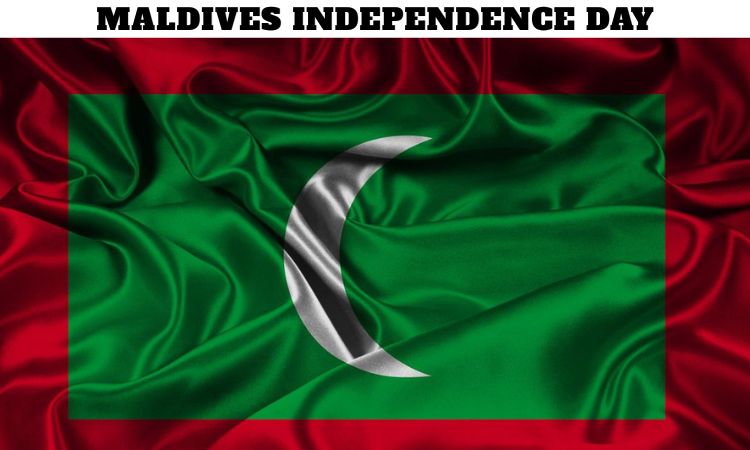
What Is Maldives Independence Day and Why Is It Celebrated?
Maldives Independence Day is observed every year on July 26 to commemorate the nation’s freedom from British protection in 1965. This important national holiday marks the moment when the Republic of Maldives became a fully independent sovereign nation after decades of British influence over its foreign affairs and defense. The day represents the courage, determination, and unity of the Maldivian people, who worked toward securing complete self-governance while preserving their unique culture and traditions.
Independence Day is among the most significant public holidays in the Maldives. Citizens across the island nation proudly celebrate their country’s achievements, honor their national heroes, and reflect on the journey that transformed the Maldives into an independent republic. The occasion is filled with patriotic events, educational programs, cultural performances, military parades, and official ceremonies that strengthen national identity.
For both residents and visitors, Maldives Independence Day offers an opportunity to appreciate the country’s rich history beyond its famous beaches and luxury resorts. It reminds everyone that the Maldives is not only a world-renowned tourist destination but also a nation with a remarkable story of resilience and national pride.
How Did the Maldives Gain Independence?
The Maldives has a long and fascinating history stretching back more than two thousand years. Throughout its history, the island nation maintained its own rulers while occasionally interacting with foreign powers through trade and diplomacy.
In the late nineteenth century, the Maldives became a British protectorate in 1887. Under this arrangement, Britain managed the country’s foreign relations and defense while allowing the Maldivian Sultan to continue governing internal affairs. Unlike a colony, the Maldives retained considerable autonomy in domestic administration.
As global movements for self-determination gained momentum after World War II, many nations sought independence from colonial or protectorate arrangements. The Maldives also pursued greater sovereignty through peaceful negotiations with the British government.
These diplomatic discussions eventually resulted in an agreement signed on July 26, 1965, granting the Maldives full independence. The agreement officially ended British protection and recognized the Maldives as a sovereign nation responsible for managing its own foreign affairs and defense.
The independence agreement was signed in Colombo, Sri Lanka, by representatives of both governments. This historic milestone paved the way for the country’s continued political development and international recognition.
Why Is July 26 an Important Date in Maldivian History?
July 26 marks one of the greatest turning points in the history of the Maldives. On this day in 1965, the nation officially entered a new era as an independent state capable of making its own decisions on international matters without external control.
The date symbolizes freedom, self-governance, and national unity. It reminds citizens of the efforts made by leaders, diplomats, and ordinary people who contributed to building a stronger and more independent nation.
Every year, the anniversary serves as an opportunity to celebrate national achievements while encouraging future generations to value democracy, peace, education, and sustainable development.
The significance of July 26 extends beyond politics. It also celebrates the preservation of Maldivian traditions, language, religion, and cultural heritage that have remained central to the nation’s identity throughout its history.
How Is Maldives Independence Day Celebrated?
Maldives Independence Day is celebrated with enthusiasm throughout the country’s many inhabited islands. The capital city of Malé hosts some of the largest official ceremonies attended by government officials, members of the armed forces, students, and the public.
One of the highlights of the celebrations is the colorful national parade featuring the Maldives National Defence Force, police units, school students, and cultural groups. Participants wear uniforms or traditional clothing while marching proudly with the national flag.
Schools often organize educational activities where students learn about the country’s history, independence movement, and important national leaders. Cultural performances showcasing traditional music and dance add excitement to the celebrations.
Government buildings, homes, schools, and businesses are decorated with the Maldivian national flag. Public spaces display patriotic banners, while communities gather to watch ceremonies and performances.
Many television and radio stations broadcast documentaries, interviews, and historical programs highlighting the nation’s journey toward independence.
The celebrations are generally family-friendly and emphasize unity, respect, and gratitude for the country’s freedom.
What Is the Historical Background of the Maldives?
The Maldives is one of the world’s oldest island nations, consisting of approximately 1,200 coral islands grouped into 26 natural atolls in the Indian Ocean. Its strategic location made it an important stop along ancient maritime trade routes connecting Asia, Africa, and the Middle East.
Throughout history, traders from Arabia, India, East Africa, and Southeast Asia visited the islands, influencing local culture while allowing the Maldives to maintain its own unique identity.
Islam became the official religion of the Maldives in the twelfth century and continues to play a central role in national life. The country developed its own language, Dhivehi, distinctive architecture, traditional crafts, and maritime customs over centuries.
The transition from a sultanate to a republic marked another significant chapter in Maldivian history. After gaining independence, the country continued strengthening its institutions while expanding diplomatic relations with nations around the world.
Today, the Maldives is recognized internationally not only for tourism but also for its active participation in global discussions on climate change, environmental conservation, and sustainable development.
Who Were the Key Figures Behind Maldives Independence?
Several political leaders and diplomats played important roles during the negotiations that led to Maldivian independence.
Prime Minister Ibrahim Nasir was among the most influential figures in securing the country’s sovereignty. His leadership and diplomatic efforts helped negotiate the peaceful agreement with Britain that granted full independence.
British and Maldivian representatives worked together through formal discussions rather than military conflict, making the Maldives’ independence process a notable example of peaceful diplomacy.
The success of these negotiations demonstrated the importance of dialogue, cooperation, and mutual respect in achieving national goals.
Today, these leaders are remembered for their dedication to protecting the country’s interests while ensuring a smooth transition to full independence.
Why Does Independence Day Strengthen National Identity?
National holidays often serve as reminders of shared history, values, and achievements. In the Maldives, Independence Day reinforces a sense of belonging among citizens living across hundreds of islands separated by vast stretches of ocean.
The celebration brings together people from different communities to honor a common heritage. Schools educate young people about the importance of national unity, while cultural events preserve traditional customs for future generations.
The day also encourages citizens to appreciate the freedoms they enjoy as members of an independent nation. It inspires responsibility toward protecting democratic institutions, respecting national laws, and contributing positively to society.
For many Maldivians, Independence Day represents hope, resilience, and confidence in the country’s future.
How Has the Maldives Developed Since Independence?
Since achieving independence in 1965, the Maldives has experienced remarkable social and economic transformation.
Tourism has become the country’s leading industry, attracting millions of visitors who come to experience its crystal-clear waters, coral reefs, luxury resorts, and marine biodiversity. This industry has significantly contributed to national income and employment opportunities.
Education has expanded considerably, with improved access to schools and higher learning opportunities across many islands. Healthcare services have also developed, contributing to better living standards.
Infrastructure improvements, including airports, ports, transportation systems, and communication networks, have strengthened connectivity between islands and the rest of the world.
The Maldives has also become an active participant in international organizations, advocating for climate action due to its vulnerability as a low-lying island nation affected by rising sea levels.
Despite facing environmental and economic challenges, the country continues working toward sustainable growth while protecting its natural beauty and cultural heritage.
What Traditions and Cultural Activities Are Associated with the Holiday?
Traditional music, dance, and community gatherings play an important role during Independence Day celebrations.
Cultural performances often feature Bodu Beru, one of the Maldives’ most famous traditional musical forms. This energetic performance combines rhythmic drumming, singing, and dancing that reflect centuries of island heritage.
Communities may organize exhibitions displaying traditional handicrafts, historical photographs, and cultural artifacts. Educational programs encourage younger generations to learn about their ancestors and national history.
Flag-raising ceremonies symbolize respect for the nation, while patriotic songs create an atmosphere of pride and unity.
Traditional foods are also enjoyed during family gatherings, strengthening bonds among relatives and neighbors as they celebrate this important occasion together.
These customs help preserve Maldivian identity while passing valuable traditions from one generation to the next.
Why Does Maldives Independence Day Matter to the World?
Although Maldives Independence Day is primarily a national celebration, its message carries international significance. It highlights the universal values of sovereignty, peaceful diplomacy, and the right of nations to determine their own future.
The Maldives’ peaceful path to independence demonstrates how negotiation and mutual understanding can successfully resolve political transitions without armed conflict.
Today, the country contributes to global discussions on environmental sustainability, marine conservation, and climate resilience. As one of the world’s lowest-lying nations, the Maldives has become an important voice advocating for international cooperation on climate change.
Independence Day therefore celebrates not only historical freedom but also the country’s continuing role in promoting peace, sustainable development, and international collaboration.
The holiday reminds people around the world that every nation’s history deserves recognition and that preserving cultural identity remains essential in an increasingly connected global community. As the Maldives continues progressing economically and socially, July 26 remains a proud reminder of the determination, unity, and vision that shaped its independent future.
Maldives Independence Day on July 26 is a celebration of freedom, national pride, and the remarkable journey of a peaceful island nation toward sovereignty. It honors the historic agreement that ended British protection in 1965 and recognizes the efforts of leaders and citizens who helped shape the country’s future. Through patriotic ceremonies, cultural performances, educational activities, and community gatherings, the Maldivian people proudly remember their history while looking forward to continued progress. Beyond its breathtaking natural beauty, the Maldives stands as a nation with a rich heritage, resilient spirit, and enduring commitment to independence, unity, and sustainable development.
Frequently Asked Questions (FAQs)
1. When is Maldives Independence Day celebrated?
Maldives Independence Day is celebrated every year on July 26.
2. What does Maldives Independence Day commemorate?
It commemorates the Maldives gaining full independence from British protection on July 26, 1965.
3. Was the Maldives a British colony?
No. The Maldives was a British protectorate, meaning Britain controlled foreign affairs and defense while the country managed its internal governance.
4. Who played a major role in securing Maldivian independence?
Prime Minister Ibrahim Nasir was one of the key leaders involved in negotiating the country’s independence.
5. How do people celebrate Maldives Independence Day?
People celebrate with parades, flag-raising ceremonies, cultural performances, school events, patriotic programs, and official government ceremonies.
6. Where are the main Independence Day celebrations held?
The largest celebrations are held in Malé, the capital city of the Maldives.
7. Why is Independence Day important for Maldivians?
It symbolizes national freedom, unity, sovereignty, and pride in the country’s history and achievements.
8. What traditional performance is commonly featured during the celebrations?
Traditional Bodu Beru music and dance performances are commonly featured during Independence Day events.
9. What happened on July 26, 1965?
The Maldives officially became an independent sovereign nation after signing an agreement ending British protection.
10. Why is the Maldives internationally significant today?
The Maldives is known for its tourism industry, marine biodiversity, and leadership in raising awareness about climate change and sea-level rise.