
What Is Madagascar Independence Day and Why Is It Celebrated on June 26?
Madagascar Independence Day is celebrated annually on June 26 to commemorate the country’s independence from French colonial rule in 1960. This national holiday marks one of the most significant milestones in Madagascar’s history, symbolizing the nation’s sovereignty, resilience, and determination to govern itself as an independent state.
Every year, June 26 is observed with great enthusiasm throughout the island nation. The day is an opportunity for citizens to reflect on their history, honor those who contributed to the independence movement, and celebrate the country’s unique cultural identity.
Independence Day is not merely a political observance. It is also a celebration of Malagasy heritage, traditions, and national unity. Festivities include official ceremonies, military parades, musical performances, cultural exhibitions, fireworks, and community gatherings.
For the people of Madagascar, Independence Day represents freedom, self-determination, and pride in their nation’s achievements since gaining independence.
How Did Madagascar Come Under French Colonial Rule?
Madagascar has a rich and complex history that predates colonial rule by many centuries. Before European colonization, the island was home to numerous kingdoms, the most prominent being the Merina Kingdom, which gradually expanded its influence across much of the island during the nineteenth century.
French interest in Madagascar increased during the nineteenth century as European powers competed for influence in Africa and the Indian Ocean region. Following a series of political and military conflicts, France officially declared Madagascar a colony in 1896 after overthrowing the Merina monarchy.
Under French colonial administration, significant changes occurred in Madagascar’s political, economic, and social systems. Colonial authorities introduced new infrastructure, administrative structures, and economic policies. However, colonial rule also imposed restrictions on political freedoms and often prioritized French interests over local aspirations.
These conditions contributed to growing nationalist sentiments among the Malagasy population, eventually leading to movements demanding independence.
Why Did Madagascar Seek Independence?
Like many nations under colonial rule, Madagascar sought independence to achieve political self-governance, preserve cultural identity, and gain greater control over its economic resources.
Nationalist movements gained momentum during the twentieth century as educated Malagasy leaders increasingly advocated for political reforms and self-determination. Many citizens desired greater representation, social equality, and the ability to shape their own future.
One of the most significant events in Madagascar’s struggle for independence was the Malagasy Uprising of 1947. The rebellion reflected widespread dissatisfaction with colonial rule and demonstrated the strong desire for freedom among the Malagasy people. Although the uprising was ultimately suppressed, it intensified demands for political change and accelerated discussions about self-government.
In the years that followed, negotiations between Malagasy political leaders and French authorities gradually led to increased autonomy. These efforts culminated in Madagascar officially gaining independence on June 26, 1960.
How Did Madagascar Achieve Independence in 1960?
Madagascar’s path to independence involved a combination of political negotiations, constitutional reforms, and growing nationalist pressure.
Following the political changes occurring throughout Africa during the 1950s, France began granting greater autonomy to several colonies. In 1958, Madagascar became an autonomous republic within the French Community, allowing local leaders to exercise increased political authority.
Philibert Tsiranana emerged as one of the leading figures in the independence movement. Through negotiations and political leadership, he played an important role in guiding Madagascar toward sovereignty.
On June 26, 1960, Madagascar officially became an independent republic. Philibert Tsiranana became the country’s first president, marking the beginning of a new chapter in Malagasy history.
The peaceful transfer of power distinguished Madagascar’s independence process from some other decolonization struggles occurring during the same period.
Why Is Independence Day Important to the Malagasy People?
Independence Day holds deep significance for the people of Madagascar because it commemorates the restoration of national sovereignty and self-governance.
The holiday serves as a reminder of the sacrifices made by those who fought for political rights and independence. It honors generations of Malagasy citizens who contributed to the country’s journey toward freedom.
Independence Day also reinforces national identity by celebrating Madagascar’s unique cultural heritage, languages, traditions, and values. The observance promotes unity among diverse communities spread across the island.
For many citizens, the day provides an opportunity to reflect on the nation’s progress while considering future aspirations and challenges. It encourages patriotism and strengthens collective commitment to national development.
The annual celebrations demonstrate the enduring importance of freedom, independence, and self-determination in Malagasy society.
How Is Madagascar Independence Day Celebrated?
Madagascar Independence Day is celebrated with enthusiasm and patriotic spirit throughout the country. Official ceremonies are organized at national, regional, and local levels.
One of the most prominent features of the celebration is the military parade held in the capital city, Antananarivo. Government officials, military personnel, and dignitaries participate in events that showcase national pride and commemorate the country’s independence.
Public speeches delivered by political leaders often focus on national achievements, unity, and future development goals.
Cultural performances play an important role in the celebrations. Traditional music, dance, and theatrical presentations highlight Madagascar’s diverse cultural heritage. Artists and performers showcase regional customs and artistic traditions from across the island.
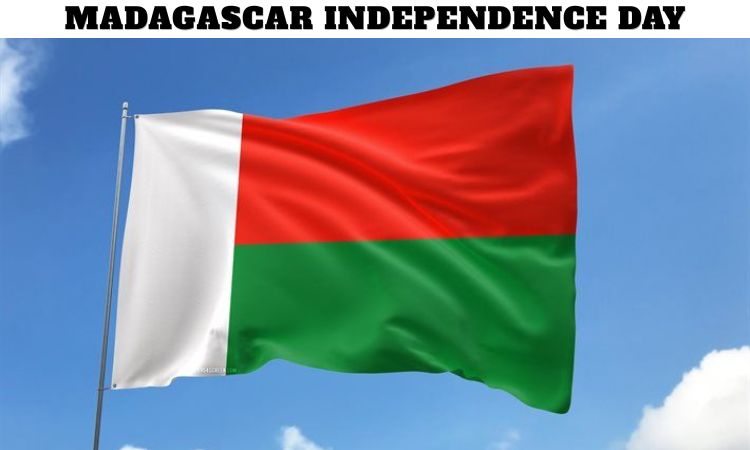
Communities frequently organize local festivities, including sports competitions, concerts, family gatherings, and public celebrations. Streets, homes, and public buildings are often decorated in the national colors of red, white, and green.
The evening celebrations commonly conclude with spectacular fireworks displays that illuminate the skies across many cities and towns.
What Cultural Traditions Are Associated With Independence Day?
Madagascar’s Independence Day celebrations reflect the country’s rich cultural diversity and longstanding traditions.
Music occupies a central place in the festivities. Traditional Malagasy instruments and contemporary musical performances entertain audiences during public events and community gatherings. Songs celebrating national pride and cultural heritage are particularly popular.
Dance performances showcase regional styles and indigenous artistic expressions. These performances help preserve traditional customs while fostering appreciation among younger generations.
Family gatherings are another important aspect of the holiday. Many families prepare special meals and spend time together, strengthening social bonds and celebrating shared heritage.
Community solidarity is strongly emphasized during Independence Day. Public celebrations encourage citizens from diverse backgrounds to come together in recognition of their common national identity.
The blending of official ceremonies and traditional cultural practices makes Madagascar’s Independence Day celebrations both patriotic and deeply rooted in local customs.
What Challenges Has Madagascar Faced Since Independence?
Since achieving independence in 1960, Madagascar has experienced numerous political, economic, and social challenges.
Political instability has periodically affected the country, including changes in government, constitutional crises, and periods of social unrest. These developments have sometimes slowed national development efforts.
Economic challenges remain significant. Although Madagascar possesses abundant natural resources and remarkable biodiversity, poverty continues to affect many communities. Economic diversification, infrastructure development, and improved access to education and healthcare remain ongoing priorities.
Environmental issues also present major concerns. Deforestation, habitat loss, and climate-related challenges threaten Madagascar’s unique ecosystems and biodiversity.
Despite these difficulties, Madagascar has demonstrated resilience and continues working toward sustainable development, democratic governance, and economic progress.
Independence Day provides an opportunity to acknowledge both achievements and ongoing challenges while reaffirming commitment to national advancement.
How Does Independence Day Promote National Unity?
Madagascar is home to diverse ethnic groups, languages, and regional traditions. Independence Day serves as an important unifying occasion that brings citizens together in celebration of their shared national identity.
National symbols, including the flag, anthem, and official ceremonies, reinforce a sense of belonging and collective purpose. Public celebrations encourage participation from individuals of all ages and backgrounds.
Educational institutions often organize activities that teach students about the country’s history and the significance of independence. These programs help ensure that younger generations understand and appreciate the nation’s historical journey.
The holiday also fosters civic pride by highlighting achievements in culture, science, sports, and national development.
Through shared commemorations, Independence Day strengthens social cohesion and promotes a common vision for Madagascar’s future.
Why Does Madagascar Independence Day Continue to Matter Today?
More than six decades after independence, Madagascar Independence Day remains one of the country’s most important national holidays.
The observance continues to symbolize freedom, sovereignty, and the right of nations to determine their own future. It reminds citizens of the struggles and sacrifices that made independence possible.
Independence Day also provides an opportunity to celebrate Madagascar’s unique cultural identity and remarkable heritage. As globalization continues to shape societies worldwide, preserving national traditions and historical memory becomes increasingly important.
The holiday encourages reflection on the country’s accomplishments while inspiring continued efforts toward social progress, economic development, and environmental conservation.
Ultimately, Madagascar Independence Day serves as both a celebration of past achievements and a reaffirmation of hope for the nation’s future. It remains a powerful expression of patriotism, unity, and national pride for the Malagasy people.
Frequently Asked Questions (FAQs)
1. When is Madagascar Independence Day celebrated?
Madagascar Independence Day is celebrated annually on June 26.
2. What does Madagascar Independence Day commemorate?
The holiday commemorates Madagascar’s independence from France on June 26, 1960.
3. Who was Madagascar’s first president after independence?
Philibert Tsiranana became Madagascar’s first president after independence.
4. When did France colonize Madagascar?
France officially colonized Madagascar in 1896.
5. How is Madagascar Independence Day celebrated?
Celebrations include military parades, cultural performances, concerts, family gatherings, and fireworks.
6. What are Madagascar’s national colors?
Madagascar’s national colors are red, white, and green.
7. What was the Malagasy Uprising of 1947?
It was a major rebellion against French colonial rule that reflected growing nationalist sentiment.
8. Why is Independence Day important in Madagascar?
It symbolizes freedom, national sovereignty, unity, and pride in Malagasy heritage.
9. What role does culture play during the celebrations?
Traditional music, dance, and artistic performances are central components of the festivities.
10. Why does Madagascar Independence Day remain significant today?
The holiday continues to celebrate national identity, historical achievements, and aspirations for the future.