

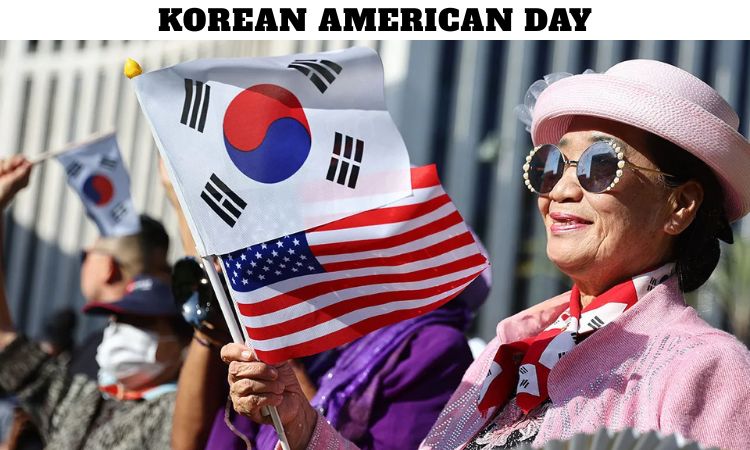
Korean American Day, observed annually on January 13, stands as a significant occasion dedicated to recognizing the enduring history, cultural richness, and remarkable contributions of Korean Americans to the United States. This day commemorates the arrival of the first Korean immigrants to America in 1903, marking the beginning of a journey defined by resilience, perseverance, and achievement. As we reflect on Korean American Day, we collectively honor a community that has played a vital role in shaping America’s social, economic, cultural, and political fabric.
Historical Significance of January 13
The importance of January 13 is deeply rooted in history. On this day in 1903, a group of Korean immigrants arrived in Honolulu, Hawaii, to work primarily on sugar plantations. These pioneers laid the foundation for future generations, overcoming linguistic barriers, economic hardships, and discrimination. Their courage and determination forged a legacy that continues to inspire Korean Americans today. Korean American Day was officially recognized in 2005, further solidifying its place in American observances.
Early Korean Immigration to the United States
Early Korean immigrants arrived during a period of political instability and foreign occupation in Korea. Seeking opportunity and freedom, they established tight-knit communities that emphasized education, family values, and hard work. Churches and cultural organizations became central pillars, helping preserve Korean traditions while adapting to American society. These early immigrants not only survived adversity but also created pathways for future Korean American success.
Growth and Evolution of Korean American Communities
Over the decades, Korean American communities expanded across the United States, particularly in California, New York, New Jersey, Texas, and Illinois. Today, vibrant neighborhoods such as Koreatown in Los Angeles and Manhattan stand as cultural hubs showcasing Korean cuisine, language, art, and entrepreneurship. These communities reflect a dynamic blend of heritage preservation and modern American influence, symbolizing the dual identity embraced by Korean Americans.
Cultural Contributions of Korean Americans
Korean Americans have enriched American culture in profound ways. Korean cuisine, including kimchi, bulgogi, bibimbap, and Korean barbecue, has gained widespread popularity nationwide. Beyond food, Korean Americans have introduced traditional arts such as taekwondo, calligraphy, and music, while also influencing contemporary culture through film, fashion, and entertainment. The global rise of Korean pop culture has further elevated awareness and appreciation of Korean heritage in the United States.
Economic Impact and Entrepreneurship
Entrepreneurship is a defining hallmark of the Korean American community. Korean Americans have established thriving businesses across diverse sectors, including retail, technology, healthcare, hospitality, and manufacturing. Small businesses such as grocery stores, dry cleaners, and restaurants laid the groundwork for economic mobility, while modern enterprises now contribute significantly to innovation and job creation. This entrepreneurial spirit continues to strengthen local economies and foster cross-cultural connections.
Korean Americans in Education and Academia
Education has always been a cornerstone of Korean American values. Korean Americans are highly represented in academia, research, and scientific innovation, contributing groundbreaking work in medicine, engineering, and technology. Universities across the nation benefit from Korean American scholars, professors, and students who exemplify academic excellence and global collaboration.
Political and Civic Contributions
Korean Americans have increasingly engaged in civic leadership and public service. From local government positions to national representation, Korean American leaders advocate for social justice, immigrant rights, and international relations. Their voices strengthen democratic participation and highlight the importance of diversity in governance. Korean American Day serves as a reminder of the progress made and the importance of continued civic engagement.
Military Service and National Service
Korean Americans have proudly served in the United States Armed Forces, demonstrating loyalty and sacrifice. Their service spans multiple generations and conflicts, reflecting a deep commitment to their adopted homeland. Honoring this service on Korean American Day reinforces the shared values of freedom, duty, and patriotism.
Faith, Family, and Community Values
Faith and family remain central to Korean American identity. Churches, temples, and community centers function as places of worship, cultural education, and social support. These institutions help preserve language, traditions, and intergenerational bonds, ensuring cultural continuity while embracing inclusivity and adaptation.
Challenges and Resilience
Despite notable achievements, Korean Americans have faced challenges including discrimination, stereotyping, and social injustice. Historical events and contemporary issues have tested the community’s resilience. Korean American Day acknowledges these struggles while celebrating the strength and unity that continue to drive progress and empowerment.
Modern Influence and Global Connectivity
In the modern era, Korean Americans act as cultural and economic bridges between the United States and South Korea. Their influence extends across diplomacy, trade, technology, and cultural exchange. This global connectivity reinforces mutual understanding and strengthens international partnerships.
How Korean American Day Is Celebrated?
Korean American Day is observed through educational programs, cultural festivals, museum exhibits, and public proclamations. Schools and organizations host discussions on Korean American history, while families gather to reflect on heritage and achievements. These celebrations foster awareness, appreciation, and respect across communities.
Why Korean American Day Matters Today?
Korean American Day holds enduring relevance in today’s diverse society. It emphasizes the importance of recognizing immigrant contributions, preserving cultural identity, and promoting unity. By honoring Korean American history, we reaffirm shared values of opportunity, equality, and cultural pride.
Conclusion: A Legacy of Pride and Progress
As we observe Korean American Day on January 13, we collectively honor a legacy defined by courage, innovation, and cultural richness. Korean Americans have indelibly shaped the United States, contributing to its strength and diversity. This day serves not only as a commemoration of the past but also as an inspiration for future generations to continue building bridges, pursuing excellence, and celebrating identity.