Why Is Jamaica Independence Day Celebrated on August 6?
Jamaica Independence Day is celebrated every year on August 6 to honor the country’s independence from British colonial rule in 1962. It is one of the most important national holidays in Jamaica, representing freedom, national pride, cultural identity, and the determination of the Jamaican people to shape their own future. Every year, the occasion reminds citizens and people of Jamaican heritage around the world of the struggles, achievements, and aspirations that have defined the nation since gaining independence.
The celebration is much more than a historical anniversary. It is a time for Jamaicans to reflect on their nation’s journey, recognize the sacrifices made by previous generations, and celebrate the country’s remarkable contributions to music, sports, literature, culture, and global society. Communities come together through ceremonies, festivals, concerts, parades, sporting events, and family gatherings that showcase the vibrant spirit of Jamaica.
Jamaica Independence Day also encourages younger generations to learn about their country’s history and appreciate the importance of democracy, unity, and national development. Schools, cultural organizations, and government institutions use the occasion to educate people about the nation’s past while inspiring hope for the future.
What Is the History Behind Jamaica Independence Day?
Jamaica’s history is shaped by centuries of colonial rule. The island was originally inhabited by the Taíno people before European explorers arrived in the late fifteenth century. Spain controlled Jamaica until 1655, when Britain took possession of the island. For more than three hundred years, Jamaica remained under British rule and developed into an important colonial territory.
During colonial times, the island became known for its sugar plantations, which relied heavily on the labor of enslaved Africans. The abolition of slavery in the nineteenth century marked a significant turning point, but the struggle for equal rights, political representation, and self-government continued for many decades.
By the twentieth century, Jamaican leaders and citizens increasingly advocated for greater political independence. Important constitutional reforms gradually gave Jamaicans more control over their internal affairs. Nationalist leaders inspired citizens to pursue full independence while promoting education, economic growth, and democratic governance.
On August 6, 1962, Jamaica officially became an independent nation and a member of the Commonwealth. This historic event marked the beginning of a new chapter, allowing Jamaicans to govern themselves while maintaining friendly international relationships. Since then, August 6 has been celebrated annually as Jamaica Independence Day.
Why Is Jamaica Independence Day Important?
Jamaica Independence Day represents freedom, sovereignty, and national identity. Independence allowed Jamaicans to establish their own government, develop national institutions, and determine policies based on the country’s needs and aspirations.
The holiday serves as a reminder of the resilience of the Jamaican people, who overcame centuries of colonial rule and numerous social and economic challenges. It celebrates not only political independence but also cultural confidence and national unity.
Jamaica has become internationally recognized for achievements that far exceed its relatively small size. The country has influenced global music through reggae, dancehall, ska, and other genres. Jamaican athletes have achieved extraordinary success in international competitions, while writers, artists, scientists, and entrepreneurs continue to make meaningful contributions worldwide.
The day also encourages reflection on ongoing national goals such as economic development, education, environmental conservation, social equality, and community well-being.
How Do People Celebrate Jamaica Independence Day?
Jamaica Independence Day is celebrated with great enthusiasm across the island. Government ceremonies often begin with official events that recognize national achievements and honor individuals who have contributed significantly to society. Public speeches, cultural presentations, and award ceremonies highlight the nation’s accomplishments and future ambitions.
Communities organize parades featuring colorful costumes, marching bands, dancers, and local organizations. These parades demonstrate community pride while celebrating Jamaica’s diverse cultural heritage.
Music plays a central role in Independence Day celebrations. Concerts feature reggae, dancehall, gospel, folk music, and traditional performances. Songs celebrating freedom, unity, and national pride create an atmosphere of excitement throughout the country.
Food festivals showcase authentic Jamaican cuisine. Families and friends gather to enjoy traditional dishes such as jerk chicken, curry goat, rice and peas, festival, roasted breadfruit, patties, escovitch fish, and tropical fruits. Sharing meals strengthens family bonds and reinforces community connections.
Fireworks displays often conclude the day’s festivities, illuminating the night sky as citizens celebrate another year of independence.
What Traditions Make Jamaica Independence Day Unique?
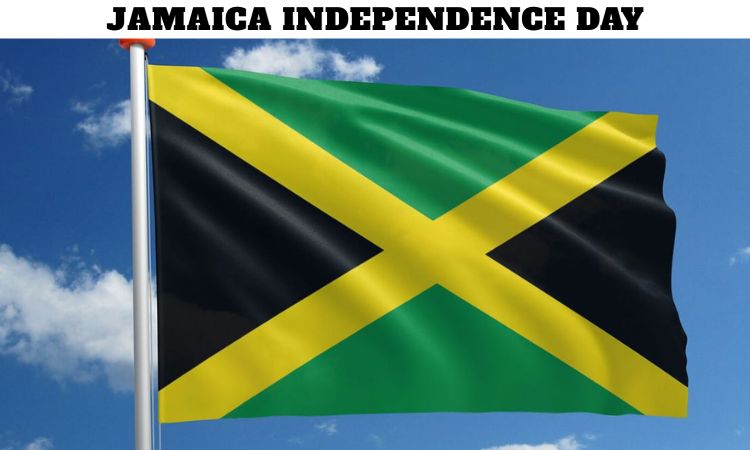
Several traditions make Jamaica Independence Day distinctive. One of the most recognizable is the widespread display of the national flag, whose black, green, and gold colors symbolize strength, hope, and natural beauty.
Many celebrations include performances of traditional Jamaican folk dances and music that reflect African, European, and Caribbean cultural influences. Storytelling, poetry readings, and theatrical performances also highlight important moments in Jamaican history.
Educational institutions organize competitions, debates, essay contests, and cultural exhibitions that help students better understand the nation’s historical journey.
Religious services are held in many communities to express gratitude, pray for national prosperity, and encourage unity among citizens.
The annual independence celebrations often include community development activities, sporting competitions, and volunteer initiatives that strengthen local neighborhoods and encourage civic participation.
How Has Jamaica Grown Since Independence?
Since achieving independence in 1962, Jamaica has experienced significant political, cultural, and social development. The country has maintained a stable democratic system and continues to strengthen its institutions through regular elections and constitutional governance.
Tourism has become one of Jamaica’s most important industries, attracting visitors from around the world with its beautiful beaches, mountains, waterfalls, music, cuisine, and warm hospitality.
Jamaica’s global cultural influence is extraordinary. Reggae music, popularized by legendary artists, has become one of the country’s greatest cultural exports and has inspired musicians worldwide. Jamaican cuisine has also gained international popularity for its bold flavors and distinctive cooking techniques.
In sports, Jamaica has earned worldwide recognition for producing exceptional athletes, particularly in track and field events. Jamaican sprinters have consistently excelled at the Olympic Games and World Championships, inspiring future generations.
The nation continues working toward sustainable economic growth, educational improvement, healthcare advancement, technological innovation, and environmental protection while preserving its rich cultural heritage.
What Does Jamaica Independence Day Teach Future Generations?
Jamaica Independence Day teaches valuable lessons about courage, determination, resilience, and national unity. It reminds young people that freedom is achieved through dedication, leadership, and collective effort.
The holiday encourages citizens to appreciate democratic values, respect diversity, and contribute positively to their communities. It demonstrates that national progress depends on education, innovation, cooperation, and responsible citizenship.
Learning about independence also helps future generations understand the importance of preserving cultural traditions while embracing new opportunities in an increasingly connected world.
The celebration inspires young Jamaicans to pursue excellence in academics, sports, business, science, the arts, and public service while honoring the legacy of those who helped build the nation.
Why Does Jamaica Independence Day Matter Around the World?
Jamaica Independence Day is celebrated not only within Jamaica but also by Jamaican communities across North America, Europe, Africa, Asia, and other parts of the Caribbean. These celebrations strengthen cultural identity among members of the Jamaican diaspora and help preserve traditions for future generations.
International recognition of Jamaica continues to grow because of the country’s remarkable cultural influence. Jamaican music, athletics, fashion, cuisine, language, and artistic expression have become part of global popular culture.
The holiday also reminds the international community of the broader history of decolonization during the twentieth century, when many nations gained independence and established self-governance. Jamaica’s peaceful transition to independence serves as an important historical example of constitutional change and democratic development.
Today, Jamaica maintains diplomatic relationships with countries around the world while actively participating in international organizations and promoting regional cooperation within the Caribbean.
How Can People Honor Jamaica Independence Day?
People can celebrate Jamaica Independence Day by learning about the country’s history, exploring Jamaican literature, listening to reggae and traditional music, preparing authentic Jamaican dishes, attending cultural events, and supporting Jamaican artists and businesses.
Reading about Jamaica’s independence movement provides valuable insight into the nation’s political development and cultural resilience. Watching documentaries, visiting museums, and participating in educational programs can further deepen understanding.
Communities with Jamaican heritage often organize festivals featuring music, dance, food, crafts, and family-friendly activities that introduce visitors to Jamaican traditions.
Above all, the holiday encourages respect for freedom, cultural diversity, and national pride. Whether celebrated in Jamaica or abroad, August 6 remains a meaningful occasion that honors the country’s past while looking confidently toward its future.
Frequently Asked Questions (FAQs)
1. When is Jamaica Independence Day celebrated?
Jamaica Independence Day is celebrated every year on August 6.
2. Why is Jamaica Independence Day important?
It commemorates Jamaica’s independence from British colonial rule in 1962 and celebrates the nation’s freedom and sovereignty.
3. When did Jamaica become independent?
Jamaica officially became an independent nation on August 6, 1962.
4. Who ruled Jamaica before independence?
Jamaica was under British colonial rule before gaining independence.
5. Is Jamaica Independence Day a public holiday?
Yes, it is a national public holiday observed throughout Jamaica.
6. How do Jamaicans celebrate Independence Day?
People celebrate with parades, concerts, cultural festivals, official ceremonies, fireworks, sporting events, and family gatherings.
7. What colors are featured on the Jamaican flag?
The Jamaican flag features black, green, and gold.
8. Why is Jamaican culture celebrated during Independence Day?
The holiday highlights the nation’s music, food, traditions, art, history, and achievements as symbols of national identity.
9. Do Jamaicans living abroad celebrate Independence Day?
Yes, Jamaican communities around the world organize festivals, cultural programs, and community events to celebrate.
10. What is the main message of Jamaica Independence Day?
The holiday promotes freedom, unity, national pride, cultural heritage, and hope for continued progress.