

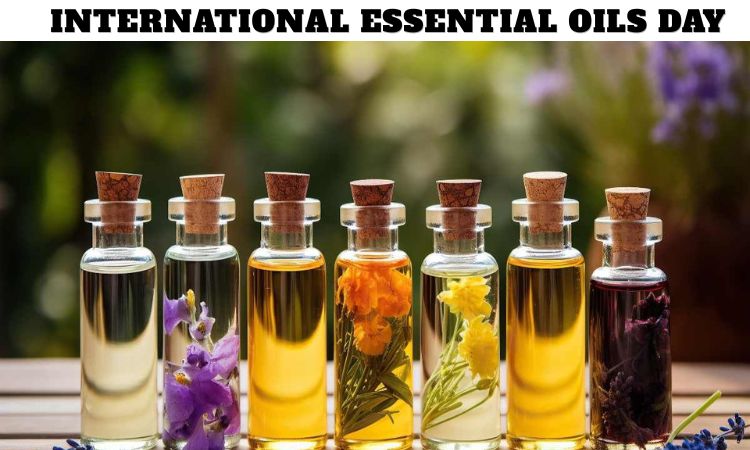
What Is International Essential Oils Day and Why Is It Celebrated on July 11?
International Essential Oils Day is observed every year on July 11 to recognize the importance of essential oils and their role in promoting natural wellness, aromatherapy, personal care, and traditional healing practices. The day celebrates the beauty, history, and benefits of essential oils while encouraging people to learn more about responsible sourcing, safe usage, and the many ways these natural extracts can be incorporated into everyday life.
Essential oils are concentrated plant extracts obtained from flowers, leaves, roots, bark, seeds, and fruits. These oils capture the natural fragrance and beneficial compounds of plants. For centuries, different cultures around the world have used aromatic plants for medicinal practices, spiritual rituals, skincare, and relaxation. International Essential Oils Day provides an opportunity to appreciate these natural products and the people involved in growing, harvesting, and producing them.
The celebration also highlights awareness about the importance of quality essential oils. Since essential oils have become increasingly popular in modern wellness routines, understanding purity, proper usage, and ethical production has become essential. This day encourages consumers to make informed choices and appreciate the connection between nature and health.
How Did International Essential Oils Day Begin?
International Essential Oils Day was created to bring global attention to the benefits and importance of essential oils. The day was established by organizations and individuals involved in the essential oil industry to educate people about the history, science, and responsible use of aromatic plant extracts.
Although essential oils have existed for thousands of years, modern interest in them has grown significantly due to the increasing popularity of natural wellness approaches. Ancient civilizations, including those in Egypt, India, China, and Greece, used plant-based oils for beauty treatments, religious ceremonies, and traditional medicine.
The creation of International Essential Oils Day helped establish a dedicated occasion for essential oil enthusiasts, wellness communities, producers, and educators to share knowledge. Each year on July 11, people participate in activities that promote awareness about essential oils, including educational programs, workshops, product demonstrations, and discussions about sustainable practices.
Why Are Essential Oils Important in Modern Wellness?
Essential oils have become an important part of modern wellness because they offer natural aromatic experiences and are commonly used in practices such as aromatherapy, massage, skincare, and relaxation routines. Many people use essential oils as part of their self-care habits because of their pleasant fragrances and traditional associations with emotional and physical well-being.
Aromatherapy is one of the most popular ways essential oils are used. This practice involves inhaling or applying diluted essential oils to create calming, refreshing, or uplifting experiences. Different essential oils have unique aromas and properties. For example, lavender is widely known for its relaxing scent, peppermint is often associated with freshness and energy, and eucalyptus is commonly used for its refreshing aroma.
Beyond personal wellness, essential oils are also important for industries such as cosmetics, perfumes, cleaning products, and natural health products. Their natural fragrances and plant-derived ingredients make them valuable alternatives for many consumers seeking products inspired by nature.
What Is the History Behind Essential Oils?
The history of essential oils dates back thousands of years. Ancient societies recognized the power of aromatic plants and developed methods to extract and preserve their natural compounds. In ancient Egypt, aromatic oils were used in skincare, religious ceremonies, and preservation practices. Egyptians valued ingredients such as frankincense, myrrh, and various plant extracts.
In India, aromatic plants have played an important role in traditional wellness systems. Many herbs and oils were used for massage, meditation, and personal care. Chinese traditions also incorporated aromatic plants into healing practices and cultural rituals.
During the medieval period, knowledge of plant extracts continued to develop, and advancements in distillation techniques allowed people to produce essential oils more effectively. Over time, essential oils became popular across Europe and other regions for perfumes, medicines, and household uses.
Today, essential oils combine traditional knowledge with modern research and technology. Their popularity continues to grow as more people explore natural approaches to beauty, relaxation, and lifestyle choices.
How Are Essential Oils Made?
Essential oils are produced through different extraction methods depending on the type of plant and the desired oil. The most common method is steam distillation, where steam passes through plant materials and collects aromatic compounds. Once cooled, the extracted liquid separates into essential oil and water components.
Another common method is cold pressing, which is often used for citrus oils such as lemon, orange, and grapefruit. In this process, the outer peel of the fruit is mechanically pressed to release the oil.
Some delicate flowers require solvent extraction because traditional distillation may damage their fragile aromatic compounds. The extraction method plays an important role in determining the quality, fragrance, and characteristics of the final product.
High-quality essential oils depend on factors such as plant species, growing conditions, harvesting methods, and extraction processes. Responsible producers focus on maintaining purity and sustainability throughout production.
What Are the Popular Types of Essential Oils?
There are hundreds of essential oils available worldwide, each with unique scents and traditional uses. Some of the most popular essential oils include lavender, peppermint, tea tree, eucalyptus, rosemary, lemon, orange, sandalwood, frankincense, and jasmine.
Lavender essential oil is one of the most widely recognized oils because of its calming fragrance and popularity in relaxation routines. Peppermint oil is known for its fresh and cooling aroma, while tea tree oil is commonly used in skincare products.
Citrus oils such as lemon and orange provide bright, refreshing scents that are popular in perfumes and household products. Sandalwood and frankincense have long histories in cultural and spiritual traditions due to their rich, warm aromas.
Each essential oil has its own characteristics, making them suitable for different preferences and applications.
How Can People Celebrate International Essential Oils Day?
People can celebrate International Essential Oils Day on July 11 by learning more about essential oils, exploring their history, and discovering safe ways to use them. A simple way to participate is by creating a relaxing environment with natural fragrances or learning about different plant-based oils.
Many people celebrate by attending aromatherapy workshops, trying natural skincare products, making homemade blends, or sharing educational information about essential oils. Supporting ethical brands that focus on sustainable farming and responsible production is another meaningful way to recognize the day.
This day is also a reminder to use essential oils carefully. Since essential oils are highly concentrated, they should generally be diluted before applying them to the skin, and individuals should learn about proper safety guidelines.
What Are the Benefits of Using Essential Oils?
Essential oils are valued for their aromatic qualities and their use in various wellness routines. Many people use them to create calming environments, support relaxation, improve personal care routines, and enjoy natural fragrances.
Aromatherapy practices often use essential oils to promote feelings of relaxation and comfort. Certain scents may influence mood and create a pleasant atmosphere when used appropriately. Essential oils are also commonly found in skincare products, haircare products, and natural beauty routines.
However, essential oils are not a replacement for medical treatment, and scientific evidence varies depending on the specific oil and intended use. Responsible usage, quality products, and professional guidance are important when incorporating essential oils into daily life.
Why Is Sustainability Important in the Essential Oil Industry?
Sustainability is becoming increasingly important in the essential oil industry because many oils require large amounts of plant material to produce small quantities of oil. Responsible farming practices help protect natural resources and ensure that plants can continue to grow for future generations.
Sustainable essential oil production includes ethical harvesting, environmentally friendly farming methods, fair treatment of farmers, and responsible packaging. Consumers can support sustainability by choosing brands that prioritize transparency and environmentally conscious practices.
International Essential Oils Day encourages awareness about the relationship between natural products and environmental responsibility. Appreciating essential oils also means respecting the plants, communities, and ecosystems involved in their production.
How Do Essential Oils Connect People With Nature?
Essential oils represent a connection between people and the natural world. Their fragrances capture the essence of plants and allow people to experience the beauty of nature in everyday routines. From calming floral scents to refreshing citrus aromas, essential oils provide sensory experiences inspired by the environment.
International Essential Oils Day reminds people to appreciate the natural resources that contribute to wellness products and personal care traditions. It celebrates the knowledge passed down through generations while encouraging responsible and sustainable choices for the future.
Frequently Asked Questions (FAQs)
1. When is International Essential Oils Day celebrated?
International Essential Oils Day is celebrated every year on July 11. The day recognizes the history, benefits, and importance of essential oils around the world.
2. What is the purpose of International Essential Oils Day?
The purpose of International Essential Oils Day is to spread awareness about essential oils, their uses, their history, and the importance of safe and responsible usage.
3. What are essential oils made from?
Essential oils are made from concentrated extracts of plants, including flowers, leaves, roots, bark, seeds, and fruits.
4. Which essential oils are most popular?
Some popular essential oils include lavender, peppermint, tea tree, eucalyptus, lemon, orange, rosemary, sandalwood, and frankincense.
5. How can people celebrate International Essential Oils Day?
People can celebrate by learning about essential oils, attending workshops, exploring aromatherapy, creating natural products, and supporting sustainable essential oil brands.
6. Are essential oils safe to use?
Essential oils can be used safely when properly diluted and used according to recommended guidelines. Some oils may cause irritation or allergic reactions in certain individuals.
7. What is aromatherapy?
Aromatherapy is a practice that uses aromatic plant extracts, including essential oils, to create relaxing and pleasant sensory experiences.
8. How are essential oils extracted?
Essential oils are commonly extracted through methods such as steam distillation, cold pressing, and solvent extraction.
9. Why are essential oils considered natural products?
Essential oils are considered natural products because they are derived from plants and contain aromatic compounds naturally found in botanical sources.
10. Can essential oils replace medical treatments?
No, essential oils should not replace medical treatments. They may be used as part of personal wellness routines but should not substitute professional medical advice.