

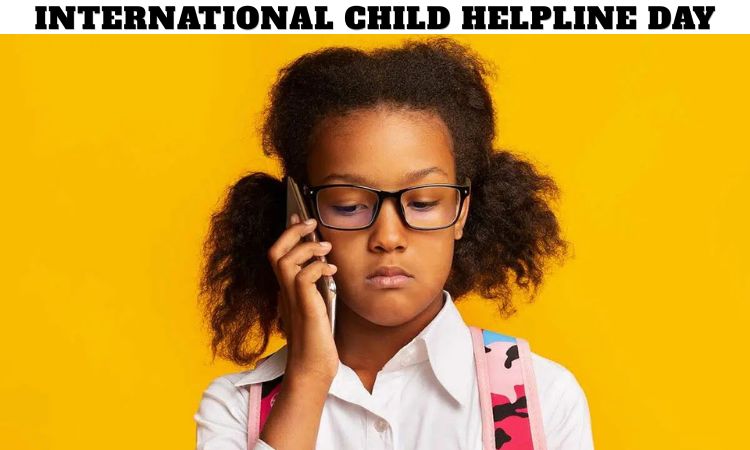
What Is International Child Helpline Day and Why Is It Observed on May 17?
International Child Helpline Day, observed annually on May 17, is a global awareness event dedicated to promoting the importance of child helplines and ensuring that children everywhere have access to support, protection, and guidance. The day highlights the vital role child helplines play in protecting children from abuse, neglect, violence, exploitation, mental health struggles, and other serious challenges.
The observance brings together governments, child welfare organizations, educators, healthcare professionals, volunteers, and communities to advocate for children’s rights and emotional well-being. International Child Helpline Day also emphasizes the importance of listening to children and providing safe spaces where they can seek confidential assistance.
Millions of children worldwide rely on child helplines for emotional support, crisis intervention, and emergency assistance. This awareness day encourages stronger support systems and better access to child protection services globally.
What Is a Child Helpline and How Does It Work?
A child helpline is a support service specifically designed to help children and young people facing emotional, psychological, social, or physical difficulties. These services are usually available through telephone calls, text messages, online chats, or mobile applications.
Child helplines provide confidential support for issues such as:
- Abuse and violence
- Bullying and cyberbullying
- Mental health concerns
- Family problems
- Neglect and exploitation
- School-related stress
- Loneliness and anxiety
Trained counselors and volunteers listen to children without judgment and help connect them to appropriate support services when necessary.
Why Is International Child Helpline Day Important?
International Child Helpline Day is important because it raises awareness about the challenges children face and the need for accessible support systems. Many children experience abuse, fear, emotional distress, or unsafe environments but may not know where to seek help.
The observance is significant because it:
- Encourages child protection and safety
- Promotes emotional well-being among children
- Supports early intervention during crises
- Raises awareness about child rights
- Strengthens global child welfare systems
By highlighting these issues, the day encourages governments and organizations to improve services that protect vulnerable children.
How Do Child Helplines Support Children in Crisis?
Child helplines provide immediate emotional support and practical assistance to children in difficult situations. These services often act as a lifeline for children who feel isolated, frightened, or unheard.
Helplines assist children by:
- Listening to their concerns confidentially
- Offering emotional reassurance and guidance
- Connecting them to emergency services if needed
- Providing information about rights and safety
- Helping children cope with emotional stress
For many young people, speaking to a trained counselor can be the first step toward safety and recovery.
What Types of Issues Are Commonly Reported to Child Helplines?
Child helplines receive calls and messages regarding a wide range of personal and social challenges affecting children and teenagers.
Common concerns include:
- Physical and emotional abuse
- Sexual exploitation
- Depression and anxiety
- Peer pressure and bullying
- Domestic violence
- Academic stress
- Online safety issues
- Self-esteem problems
Some children also contact helplines simply because they need someone to listen to them during difficult moments.
How Are Child Helplines Expanding Through Technology?
Technology has transformed how child helplines operate and reach young people. Modern communication tools allow children to seek support more easily and confidentially.
Digital advancements include:
- Online chat counseling
- Mobile helpline apps
- Text messaging support
- Social media awareness campaigns
- AI-assisted support systems
Many children today feel more comfortable communicating digitally, making technology an important part of modern child protection services.
International Child Helpline Day highlights the need for accessible digital support systems for children worldwide.
How Is International Child Helpline Day Celebrated Around the World?
International Child Helpline Day is observed through educational campaigns, awareness programs, fundraising activities, and advocacy initiatives focused on children’s rights and safety.
Common observance activities include:
- School awareness sessions
- Child protection workshops
- Social media campaigns
- Community outreach programs
- Webinars and conferences
- Volunteer recognition events
Organizations also use the day to share real-life stories, statistics, and educational resources that help communities better understand the importance of child support services.
Why Is Mental Health Support Important for Children?
Mental health support is essential because children experience emotional stress, anxiety, and psychological challenges just like adults. Without proper support, these issues can affect their development, education, relationships, and long-term well-being.
Child helplines play a major role in mental health support by:
- Providing a safe space for emotional expression
- Helping children manage stress and fear
- Encouraging healthy coping strategies
- Connecting families with professional services
The growing focus on child mental health has made child helplines more important than ever in modern society.
What Challenges Do Child Helplines Face Globally?
Despite their importance, child helplines face several operational and social challenges that affect their ability to support children effectively.
Major challenges include:
- Limited funding and resources
- Lack of public awareness
- Shortage of trained counselors
- High demand for services
- Language and accessibility barriers
- Digital privacy concerns
In some regions, children may also hesitate to seek help due to fear, stigma, or lack of trust in support systems.
International Child Helpline Day encourages stronger investment and support for these essential services.
How Can Parents and Communities Support Child Helplines?
Parents, schools, and communities play an important role in supporting child helpline initiatives and promoting child safety.
Supportive actions include:
- Teaching children about available helplines
- Encouraging open communication at home
- Donating to child welfare organizations
- Participating in awareness campaigns
- Volunteering or fundraising for child support programs
Creating safe and supportive environments helps children feel more confident seeking help when needed.
Why Is Listening to Children So Important?
Listening to children is one of the most important aspects of child protection and emotional development. Children need to feel heard, respected, and valued when expressing concerns or emotions.
When adults actively listen to children:
- Trust and confidence improve
- Emotional well-being strengthens
- Early warning signs become easier to identify
- Children feel safer seeking help
International Child Helpline Day promotes the idea that every child deserves a voice and access to compassionate support systems.
How Can Individuals Participate in International Child Helpline Day?
Anyone can contribute to International Child Helpline Day by supporting awareness efforts and advocating for children’s rights.
Ways to participate include:
- Sharing child helpline information online
- Supporting child welfare charities
- Learning about child protection issues
- Encouraging safe conversations with children
- Participating in local awareness events
Even small efforts can help create safer environments and stronger support systems for children worldwide.
What Is the Future of Child Helpline Services?
The future of child helpline services will likely involve greater digital accessibility, stronger mental health support systems, and increased international collaboration.
Future developments may include:
- AI-enhanced crisis support tools
- Multilingual digital services
- Expanded online counseling
- Better integration with schools and healthcare systems
- Increased global child protection policies
International Child Helpline Day continues to inspire efforts toward a safer and more supportive future for children everywhere.
Frequently Asked Questions (FAQs)
1. What is International Child Helpline Day?
International Child Helpline Day is observed on May 17 to raise awareness about child helpline services and child protection.
2. What is a child helpline?
A child helpline is a confidential support service that helps children facing emotional, social, or safety-related challenges.
3. When is International Child Helpline Day celebrated?
It is celebrated annually on May 17.
4. What issues do child helplines address?
They help with abuse, bullying, mental health issues, family problems, and more.
5. Are child helpline services confidential?
Yes, most child helplines provide confidential support to children and young people.
6. How do child helplines help children?
They offer emotional support, guidance, crisis intervention, and referrals to professional services.
7. Why is child mental health support important?
Mental health support helps children cope with emotional stress and developmental challenges.
8. How can communities support child helplines?
Communities can support through donations, awareness campaigns, volunteering, and education.
9. Can children contact helplines online?
Yes, many child helplines now offer chat, text, and digital support services.
10. Why is listening to children important?
Listening helps children feel safe, respected, and supported during difficult situations.