

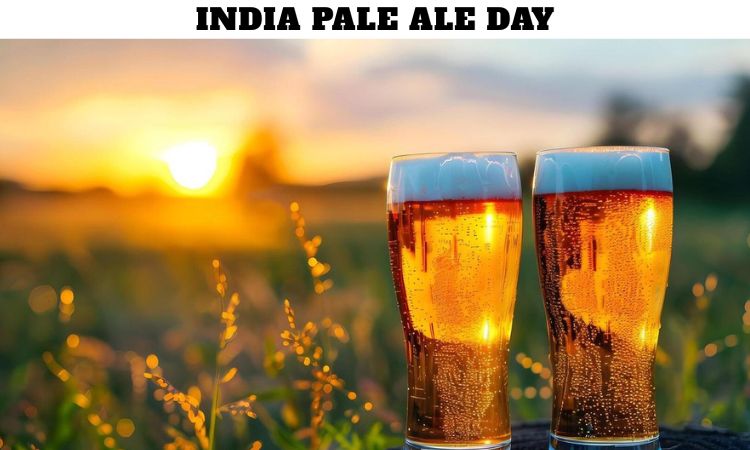
Why Is India Pale Ale Day Celebrated on August 6?
India Pale Ale Day, observed every year on August 6, is a celebration dedicated to one of the world’s most recognizable and influential beer styles. Known simply as IPA, India Pale Ale has become a favorite among beer enthusiasts because of its bold hop character, refreshing bitterness, and wide variety of flavors. The day provides an opportunity for breweries, beer lovers, and curious newcomers to appreciate the craftsmanship that goes into brewing this iconic beverage while learning about its rich history and evolution.
Although the name suggests a connection to India, India Pale Ale originated in England during the late eighteenth and early nineteenth centuries. The beer was developed to survive the long sea journey from Britain to India, where British soldiers and merchants desired familiar beverages while stationed overseas. Brewers increased the hop content and alcohol level because hops acted as a natural preservative, helping the beer remain fresh throughout the voyage. This practical solution eventually created a beer style that gained worldwide recognition and remains one of the most popular craft beer categories today.
India Pale Ale Day is not simply about drinking beer. It is also about appreciating brewing traditions, understanding different hop varieties, supporting local breweries, and exploring the creativity behind modern brewing techniques. Every year, breweries introduce limited-edition IPAs, organize tasting events, conduct brewery tours, and educate visitors about the brewing process. Whether someone is a seasoned beer enthusiast or just discovering craft beer, the day offers an enjoyable opportunity to learn something new.
How Did India Pale Ale Become One of the World’s Most Popular Beer Styles?
The popularity of India Pale Ale grew steadily over the centuries, but its greatest rise came with the craft beer movement. Small independent breweries began experimenting with different hop varieties, yeast strains, malt combinations, and brewing methods, transforming IPA into a versatile beer style with countless variations. Instead of remaining a single traditional recipe, IPA became a canvas for creativity.
American craft brewers played a particularly significant role in reinventing India Pale Ale. They introduced aromatic hop varieties that produced flavors of citrus, pine, tropical fruit, berries, flowers, and herbs. These distinctive characteristics attracted consumers looking for flavorful alternatives to standard lagers. As the craft brewing industry expanded across Europe, North America, Australia, and Asia, IPA evolved into numerous unique styles.
Today, beer lovers can enjoy West Coast IPA, New England IPA, Double IPA, Triple IPA, Session IPA, Black IPA, Belgian IPA, Milkshake IPA, Brut IPA, and Hazy IPA, among many others. Each variation offers its own balance of bitterness, aroma, sweetness, body, and alcohol content. This diversity has helped India Pale Ale remain one of the most exciting and innovative categories in the brewing industry.
The widespread popularity of IPA has also encouraged breweries to educate consumers about hops, brewing science, and food pairing. Beer festivals around the world often dedicate entire sections to India Pale Ale because of its enormous variety and growing fan base.
What Makes India Pale Ale Different from Other Types of Beer?
India Pale Ale stands apart because of its hop-forward profile. Hops are the flowers of the hop plant, and they contribute bitterness, aroma, and flavor while also serving as a natural preservative. Compared to many other beer styles, IPA typically contains a much higher quantity of hops.
The flavor profile varies depending on the ingredients and brewing method. Some IPAs offer strong notes of grapefruit, orange, mango, pineapple, peach, passion fruit, and lemon. Others feature pine, resin, herbs, spices, or floral aromas. The malt provides balance by adding subtle sweetness, biscuit flavors, caramel notes, or light bread-like characteristics.
Bitterness is another defining characteristic, although modern brewing has produced many smoother IPAs with juicy fruit flavors rather than aggressive bitterness. New England IPAs, for example, emphasize softness, haze, and tropical fruit aromas, making them approachable even for those who usually avoid bitter beers.
Alcohol content generally ranges from moderate to high, though Session IPAs are brewed with lower alcohol levels while maintaining strong hop aromas. This variety ensures that nearly every beer enthusiast can find an IPA suited to their preferences.
Why Does the Name “India Pale Ale” Include India?
The name often causes confusion because the beer was originally brewed in England rather than India. During the era of the British Empire, merchants needed beer capable of surviving several months at sea while traveling to India.
Traditional ales frequently spoiled before reaching their destination. Brewers discovered that increasing both the alcohol content and hop levels significantly improved shelf stability. These stronger pale ales successfully completed the long voyage and became popular among British residents living in India.
Over time, these export beers became known as India Pale Ale. Even after transportation methods improved, the name remained associated with the distinctive beer style. Today, India Pale Ale is brewed in countries across the world and is enjoyed by millions regardless of its historical connection to British trade routes.
How Is India Pale Ale Brewed?
Brewing India Pale Ale follows many of the same basic steps used for other beers, but the selection of ingredients and timing of hop additions play an especially important role.
The process begins with malted barley, which is mixed with warm water to convert starches into fermentable sugars. The resulting liquid, known as wort, is separated from the grain before being boiled. During boiling, brewers add hops at different stages to create varying levels of bitterness, flavor, and aroma.
Yeast is then introduced to ferment the sugars into alcohol and carbon dioxide. After fermentation, many modern IPAs undergo dry hopping, a technique where hops are added after fermentation to maximize aroma without increasing bitterness. This method produces the intense citrus, floral, tropical, and pine fragrances that many IPA drinkers enjoy.
Finally, the beer is conditioned, filtered or left hazy depending on the desired style, carbonated, packaged, and distributed to consumers.
Modern brewing technology has expanded the possibilities for IPA production, allowing brewers to experiment with innovative ingredients while maintaining high quality and consistency.
How Do People Celebrate India Pale Ale Day?
India Pale Ale Day is celebrated in many enjoyable and educational ways. Breweries often release limited-edition IPAs made exclusively for the occasion, encouraging visitors to sample unique recipes that may only be available for a short period.
Beer tasting events remain one of the most popular activities. Participants compare different IPA styles while learning about hop varieties, brewing methods, and flavor characteristics. Guided tastings help newcomers recognize aromas such as citrus, tropical fruit, pine, herbs, flowers, and spice.
Many breweries organize behind-the-scenes tours where visitors observe brewing equipment, fermentation tanks, packaging lines, and quality control processes. Brewmasters frequently explain how ingredient selection influences the final product.
Restaurants and pubs celebrate by creating food pairing menus featuring India Pale Ale alongside burgers, grilled meats, spicy dishes, seafood, pizza, aged cheeses, tacos, and rich desserts. The balance between bitterness and food flavors creates memorable dining experiences.
Homebrewers also participate by experimenting with new hop combinations, exchanging recipes, and sharing brewing techniques with fellow enthusiasts.
Regardless of how people celebrate, responsible consumption remains an essential part of India Pale Ale Day.
Why Are Hops So Important in India Pale Ale?
Hops define the personality of an India Pale Ale more than any other ingredient. Different hop varieties contribute completely different flavor profiles, allowing brewers to create remarkably diverse beers.
American hops often produce citrus, grapefruit, mango, pineapple, passion fruit, and pine characteristics. European hops frequently contribute floral, herbal, earthy, and spicy aromas. Australian and New Zealand hop varieties introduce unique tropical fruit, white wine, gooseberry, and stone fruit notes.
Hop selection influences not only flavor but also aroma, bitterness, mouthfeel, and overall drinking experience. Brewers carefully balance multiple hop varieties to create complexity while maintaining harmony between bitterness and sweetness.
Ongoing agricultural research continues producing new hop cultivars, giving brewers even more opportunities for innovation. As a result, India Pale Ale remains one of the fastest-evolving beer styles in the craft brewing industry.
What Is the Future of India Pale Ale?
India Pale Ale continues evolving as consumer preferences and brewing technology advance. Modern breweries increasingly focus on sustainability by reducing water consumption, improving energy efficiency, sourcing local ingredients, and minimizing waste during production.
Low-alcohol and alcohol-free IPAs have also become increasingly popular among consumers seeking flavorful alternatives while limiting alcohol intake. Improved brewing methods now allow these products to maintain much of the aroma and taste associated with traditional IPAs.
Experimental hop varieties, precision fermentation, and innovative brewing techniques promise even greater diversity in the years ahead. Brewers continue exploring new combinations of yeast, fruit, herbs, and specialty grains while preserving the distinctive hop character that defines India Pale Ale.
As global interest in craft beer continues growing, India Pale Ale Day serves as an annual reminder of the creativity, history, and craftsmanship behind one of the world’s most beloved beer styles. Whether someone prefers a classic English IPA, a bold West Coast IPA, or a juicy New England IPA, August 6 offers the perfect opportunity to appreciate the remarkable journey of this famous beer from its historical origins to its place at the center of modern brewing culture.
Frequently Asked Questions (FAQs)
1. When is India Pale Ale Day celebrated?
India Pale Ale Day is celebrated annually on August 6.
2. What does IPA stand for?
IPA stands for India Pale Ale.
3. Why is it called India Pale Ale?
The beer was originally brewed in England for export to British colonies in India, where higher hop levels helped preserve it during long sea voyages.
4. What makes IPA different from regular beer?
IPA typically contains more hops, resulting in stronger aromas, bolder flavors, and increased bitterness.
5. Is every IPA very bitter?
No. Modern styles like New England IPA are often smoother, fruitier, and less bitter than traditional IPAs.
6. What foods pair well with India Pale Ale?
IPA pairs well with spicy foods, grilled meats, burgers, pizza, seafood, aged cheeses, and flavorful appetizers.
7. What are hops?
Hops are the flowers of the hop plant that provide bitterness, aroma, flavor, and natural preservation in beer.
8. Can beginners enjoy India Pale Ale?
Yes. Many breweries offer approachable IPAs with lower bitterness and fruity flavors suitable for beginners.
9. Are there different types of IPA?
Yes. Popular styles include West Coast IPA, New England IPA, Session IPA, Double IPA, Triple IPA, Black IPA, and Belgian IPA.
10. How can people celebrate India Pale Ale Day?
People celebrate by visiting breweries, attending tastings, learning about brewing, trying new IPA styles, pairing beer with food, and enjoying beverages responsibly.