

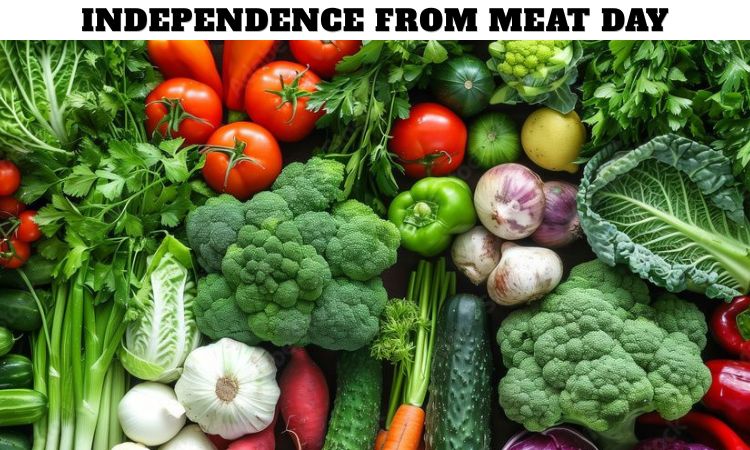
What Is Independence From Meat Day?
Independence From Meat Day, observed every year on July 4, encourages people to take a break from eating meat and explore delicious, nutritious, and sustainable plant-based alternatives. While July 4 is widely recognized as Independence Day in the United States, this observance offers an additional opportunity to reflect on personal health, environmental responsibility, and compassionate food choices.
The day is not about forcing everyone to become vegetarian or vegan forever. Instead, it promotes the simple idea of enjoying at least one day without meat and discovering how satisfying plant-based meals can be. Whether someone chooses fresh vegetables, legumes, fruits, grains, nuts, or meat substitutes, Independence From Meat Day inspires healthier eating habits while raising awareness about the broader impact of food choices.
Over the years, more people have embraced meat-free eating due to concerns about health, sustainability, animal welfare, and climate change. This observance serves as an invitation to experiment with flavorful recipes and rethink traditional meals without sacrificing taste or nutrition.
Why Is Independence From Meat Day Celebrated?
The purpose of Independence From Meat Day is to encourage individuals to experience the benefits of reducing meat consumption, even if only for one day. Many people rely heavily on meat as the centerpiece of every meal without realizing the abundance of delicious alternatives available.
This observance highlights several important themes, including:
- Improving personal health
- Supporting environmental sustainability
- Reducing food-related carbon emissions
- Encouraging compassionate food choices
- Promoting dietary diversity
By dedicating a single day to meat-free meals, participants often discover new ingredients, cooking methods, and recipes that they continue enjoying throughout the year.
How Did Independence From Meat Day Begin?
Although Independence From Meat Day does not have a widely documented historical origin like many national holidays, it gained popularity through organizations, health advocates, environmental groups, and individuals promoting plant-based lifestyles.
The selection of July 4 carries symbolic meaning. Since Independence Day in the United States traditionally features meat-heavy barbecues, burgers, hot dogs, ribs, and grilled steaks, Independence From Meat Day encourages people to celebrate freedom in a different way—by freeing themselves from relying on meat for every meal.
This symbolic observance reminds people that they have the freedom to make food choices that support their health, the planet, and future generations.
How Does Reducing Meat Consumption Benefit Health?
Eating less meat can contribute to better overall health when balanced with nutritious plant-based foods. Diets rich in vegetables, fruits, legumes, whole grains, nuts, and seeds provide essential vitamins, minerals, antioxidants, and fiber.
Potential health benefits include:
- Improved heart health
- Lower cholesterol levels
- Better blood pressure management
- Reduced risk of obesity
- Improved digestive health
- Better blood sugar control
- Increased intake of dietary fiber
Replacing processed meats with plant-based protein sources such as beans, lentils, tofu, chickpeas, and quinoa can support long-term wellness while providing satisfying and flavorful meals.
How Does Eating Less Meat Help the Environment?
Food production has a significant impact on natural resources. Livestock farming requires large amounts of land, water, and feed while contributing to greenhouse gas emissions.
Choosing plant-based meals, even occasionally, may help reduce:
- Carbon emissions
- Water consumption
- Land degradation
- Deforestation
- Air pollution
- Food waste associated with livestock production
Many environmental experts encourage reducing—not necessarily eliminating—meat consumption as one practical way individuals can contribute to a more sustainable future.
Can You Get Enough Protein Without Meat?
One of the biggest misconceptions about meat-free diets is the belief that protein becomes difficult to obtain. In reality, numerous plant foods provide substantial amounts of protein.
Excellent plant-based protein sources include:
- Lentils
- Black beans
- Kidney beans
- Chickpeas
- Soybeans
- Tofu
- Tempeh
- Edamame
- Quinoa
- Peanuts
- Almonds
- Pumpkin seeds
- Chia seeds
Combining various plant foods throughout the day provides all the essential amino acids the body needs.
What Are Popular Meat-Free Foods to Try?
Celebrating Independence From Meat Day can be exciting because of the incredible variety of plant-based dishes available worldwide.
Popular options include:
- Veggie burgers
- Grilled vegetable skewers
- Bean tacos
- Falafel wraps
- Vegetable stir-fry
- Lentil soup
- Mushroom pasta
- Stuffed bell peppers
- Vegetable pizza
- Chickpea curry
- Spinach salad with nuts
- Quinoa bowls
- Black bean chili
- Vegetable biryani
- Plant-based sausages
Many meat substitutes now closely resemble the texture and flavor of traditional meat while being made from soy, peas, mushrooms, wheat protein, or other plant ingredients.
How Can Families Celebrate Independence From Meat Day?
Families can make the observance enjoyable through creative activities centered around healthy eating.
Ideas include:
- Cook a completely meat-free dinner together.
- Host a vegetarian barbecue.
- Try international vegetarian recipes.
- Visit a local farmers market.
- Grow herbs or vegetables at home.
- Challenge family members to invent new recipes.
- Share favorite meat-free meals on social media.
- Watch documentaries about sustainable food systems.
Children often enjoy colorful vegetables, homemade pizzas, smoothies, tacos, and pasta dishes when involved in preparing the meals.
What Foods Can Replace Traditional Fourth of July Barbecue Favorites?
Many classic Independence Day favorites can be recreated without meat.
Instead of traditional burgers, consider:
- Black bean burgers
- Mushroom burgers
- Lentil patties
- Plant-based burgers
Instead of hot dogs:
- Vegan sausages
- Grilled vegetable skewers
- Corn on the cob
Popular side dishes include:
- Potato salad
- Pasta salad
- Fresh fruit platters
- Coleslaw
- Grilled zucchini
- Roasted peppers
- Watermelon slices
Desserts can include fruit salads, berry parfaits, dairy-free ice cream, or homemade smoothies.
Why Are More People Choosing Plant-Based Eating?
Several global trends have contributed to the growing popularity of plant-based diets.
People are increasingly motivated by:
- Health awareness
- Fitness goals
- Environmental concerns
- Ethical treatment of animals
- Food innovation
- Availability of plant-based products
- Improved taste and convenience
Restaurants, grocery stores, and food manufacturers now offer an expanding selection of vegetarian and vegan options, making meat-free eating easier than ever.
What Are Some Common Myths About Meat-Free Diets?
Many misconceptions discourage people from trying plant-based meals.
Common myths include:
Myth: Plant-based food lacks protein.
Fact: Numerous plant foods provide high-quality protein.
Myth: Vegetarian meals are boring.
Fact: Global cuisines offer thousands of flavorful meat-free recipes.
Myth: Meat-free diets are expensive.
Fact: Beans, rice, lentils, oats, potatoes, and seasonal vegetables are often affordable.
Myth: Plant-based meals are difficult to prepare.
Fact: Many recipes require only 20–30 minutes.
Myth: One meat-free day doesn’t matter.
Fact: Small lifestyle changes practiced consistently can create meaningful long-term benefits.
How Can Beginners Start Eating Less Meat?
Transitioning toward a plant-based diet does not require dramatic changes.
Helpful tips include:
- Start with one meat-free day each week.
- Replace meat in familiar recipes.
- Experiment with different cuisines.
- Try plant-based protein products.
- Eat more vegetables at every meal.
- Prepare healthy snacks in advance.
- Learn new vegetarian recipes regularly.
Many people find that gradual changes are easier to maintain than sudden dietary restrictions.
What Makes Independence From Meat Day Important Today?
Modern lifestyles have increased awareness of nutrition, sustainability, and responsible consumption. Independence From Meat Day reflects these changing priorities by encouraging thoughtful food choices without demanding perfection.
Whether someone participates once a year or gradually incorporates more plant-based meals into daily life, the observance demonstrates that every positive dietary decision can contribute to better personal health and environmental stewardship.
The day reminds us that food is more than nourishment—it is an opportunity to care for ourselves, support sustainable agriculture, reduce waste, and appreciate the diversity of ingredients nature provides.
Independence From Meat Day on July 4 is an excellent opportunity to discover the benefits of meat-free eating while enjoying flavorful and satisfying meals. From improving personal wellness and supporting environmental sustainability to exploring creative recipes and diverse cuisines, this observance encourages positive food choices without requiring permanent dietary changes.
Whether preparing a veggie barbecue, trying a new vegetarian recipe, or simply replacing one meal with plant-based ingredients, every small step contributes to healthier habits and a more sustainable future. Independence From Meat Day reminds us that choosing plant-based foods, even occasionally, can make a meaningful difference for individuals, communities, and the planet.
Frequently Asked Questions (FAQs)
1. When is Independence From Meat Day celebrated?
Independence From Meat Day is observed annually on July 4.
2. What is the purpose of Independence From Meat Day?
The day encourages people to enjoy meat-free meals and explore healthier, environmentally friendly food choices.
3. Do I have to become vegetarian to participate?
No. The observance simply encourages avoiding meat for one day.
4. What foods can I eat on Independence From Meat Day?
You can enjoy vegetables, fruits, legumes, whole grains, tofu, beans, lentils, nuts, seeds, and plant-based meat alternatives.
5. Is a meat-free diet healthy?
A well-balanced plant-based diet can provide essential nutrients, protein, vitamins, and minerals needed for good health.
6. Can I get enough protein without eating meat?
Yes. Beans, lentils, tofu, soy products, quinoa, nuts, and seeds are excellent protein sources.
7. Why is July 4 chosen for this observance?
The date offers an alternative perspective to traditional meat-centered Independence Day celebrations by promoting plant-based meals.
8. Does reducing meat consumption help the environment?
Yes. Eating less meat can reduce greenhouse gas emissions, conserve water, and lower environmental impact.
9. What are some easy meat-free meals?
Popular options include veggie burgers, bean tacos, vegetable stir-fries, lentil soup, pasta, salads, and chickpea curry.
10. Can children participate in Independence From Meat Day?
Absolutely. Families can prepare healthy, colorful, and delicious meat-free meals together.