

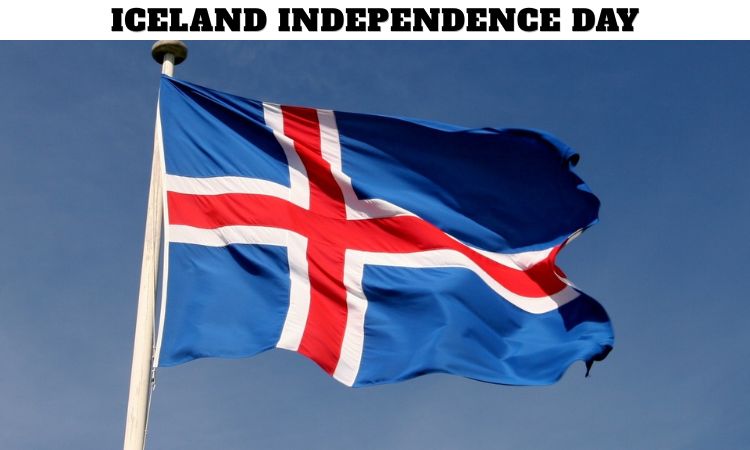
Why Is Iceland Independence Day Celebrated on June 17?
Iceland Independence Day is celebrated every year on June 17 to commemorate Iceland’s emergence as an independent republic and its separation from Danish rule in 1944. The day marks one of the most important milestones in the nation’s history and symbolizes the Icelandic people’s commitment to self-determination, democracy, and national identity.
June 17 was chosen for a special reason. The date coincides with the birthday of Jón Sigurðsson, a prominent leader of Iceland’s independence movement who played a significant role in advocating for Icelandic self-government. His dedication to national sovereignty and cultural preservation made him a symbol of Icelandic pride and independence.
The celebration is both a historical commemoration and a joyful national holiday. Citizens across the country gather to honor their heritage, reflect on the nation’s journey, and celebrate the freedoms they enjoy as an independent republic.
Iceland Independence Day is also an opportunity to recognize the country’s achievements in democracy, education, culture, environmental stewardship, and social development. The holiday highlights the resilience and determination that have shaped Iceland throughout its history.
Every June 17, Icelanders come together to celebrate their nation’s past, present, and future while honoring the values that define their country.
What Is Iceland Independence Day?
Iceland Independence Day is the national day of Iceland and commemorates the establishment of the Republic of Iceland on June 17, 1944. The day marks the end of Iceland’s constitutional ties with the Danish monarchy and the beginning of its existence as a fully independent republic.
The holiday is celebrated throughout Iceland with ceremonies, parades, cultural events, concerts, and family gatherings. Communities across the country participate in festivities that highlight Icelandic history, traditions, and national pride.
As the country’s most significant national celebration, the day serves as a reminder of the importance of freedom, democracy, and self-governance. It also provides an opportunity for citizens to reflect on the values and achievements that have shaped Iceland’s development.
Iceland Independence Day remains a powerful symbol of national unity and identity for Icelanders both at home and abroad.
What Historical Events Led to Iceland’s Independence?
Iceland’s path to independence was gradual and developed over many centuries. The island was settled during the late ninth century and eventually came under the influence of Norwegian and later Danish rule.
Throughout the nineteenth century, Iceland experienced a growing national movement focused on cultural preservation and increased political autonomy. Intellectuals, writers, and political leaders worked to strengthen Icelandic identity and advocate for greater self-government.
Over time, Iceland achieved several stages of autonomy. Constitutional reforms and political negotiations gradually expanded Iceland’s control over domestic affairs while maintaining certain constitutional links with Denmark.
The decisive moment came in 1944 when Icelanders voted overwhelmingly in favor of establishing a republic. Following the referendum, Iceland formally declared itself an independent republic on June 17, 1944.
This historic achievement is celebrated annually on Iceland Independence Day.
Who Was Jón Sigurðsson?
Jón Sigurðsson is widely regarded as the leading figure of Iceland’s independence movement. Born on June 17, 1811, he became a scholar, politician, and passionate advocate for Icelandic self-governance.
Throughout his life, Jón worked to promote Icelandic culture, language, and political rights. He argued that Iceland should have greater authority over its own affairs and played a central role in discussions about constitutional reforms.
His leadership inspired generations of Icelanders who sought increased autonomy and eventual independence. Although he did not live to see Iceland become an independent republic, his influence remained a guiding force in the movement.
Today, Jón Sigurðsson is celebrated as a national hero. His birthday was chosen as Iceland Independence Day in recognition of his contributions to the nation’s political and cultural development.
His legacy continues to symbolize patriotism, democracy, and national pride.
Why Is Independence Important to Iceland?
Independence represents the ability of a nation to govern itself, make its own decisions, and preserve its cultural identity. For Iceland, independence marked the culmination of decades of efforts to achieve greater self-determination and political autonomy.
Becoming an independent republic allowed Iceland to establish its own constitutional framework and manage national affairs according to the wishes of its citizens. This transition strengthened democratic institutions and reinforced the country’s sovereignty.
Independence also helped Iceland preserve its unique language, traditions, and cultural heritage. These elements remain central to Icelandic identity and continue to be celebrated today.
The achievement of independence reflects the resilience and determination of the Icelandic people and their commitment to shaping their own future.
Iceland Independence Day honors this accomplishment and the values it represents.
How Is Iceland Independence Day Celebrated?
Iceland Independence Day is celebrated with enthusiasm throughout the country. Festivities often begin with official ceremonies attended by government leaders, community representatives, and citizens.
Parades are among the most popular traditions associated with the holiday. Marching bands, performers, and community groups participate in celebrations that bring people together in a spirit of national pride.
Cultural events, concerts, theatrical performances, and public gatherings are common features of the day. These activities showcase Icelandic music, literature, art, and heritage.
Families and friends often spend time together, attending local events and enjoying outdoor celebrations. Children frequently participate in games, entertainment programs, and community activities.
The festive atmosphere reflects the importance of the occasion and the pride Icelanders feel in their nation’s history and achievements.
What Makes Iceland’s Culture Unique?
Iceland’s culture is shaped by its geography, history, language, and traditions. The country has a rich literary heritage that dates back centuries and includes some of the world’s most celebrated medieval writings.
The Icelandic language has remained remarkably preserved over time and continues to serve as an important symbol of national identity. Literature, storytelling, and poetry remain highly valued aspects of Icelandic culture.
The country’s dramatic landscapes, including volcanoes, glaciers, waterfalls, and geothermal features, have influenced artistic expression and cultural traditions.
Music, visual arts, and contemporary creativity also contribute to Iceland’s vibrant cultural scene. Icelanders take pride in preserving traditional customs while embracing innovation and modern ideas.
Iceland Independence Day provides an opportunity to celebrate these cultural achievements and share them with future generations.
How Has Iceland Developed Since Independence?
Since becoming an independent republic in 1944, Iceland has achieved significant progress in numerous areas. The country has developed strong democratic institutions and maintains a high standard of living.
Education, healthcare, and social welfare systems have contributed to the well-being of Icelandic citizens. Investments in infrastructure and innovation have supported economic growth and modernization.
Iceland has also gained international recognition for its commitment to environmental sustainability and renewable energy. The country’s use of geothermal and hydroelectric resources demonstrates its dedication to responsible resource management.
Cultural achievements, scientific research, and technological innovation have further strengthened Iceland’s global reputation.
Iceland Independence Day provides an opportunity to reflect on these accomplishments and the progress made since independence.
Why Does National Identity Matter?
National identity helps create a sense of belonging and shared purpose among citizens. It connects people through common values, traditions, history, and cultural experiences.
For Iceland, national identity has played a significant role in preserving language, heritage, and cultural continuity. These elements helped sustain a strong sense of community throughout the country’s history.
A shared national identity can promote social cohesion and encourage civic participation. It helps citizens appreciate their collective achievements while working toward common goals.
At the same time, national identity evolves over time, incorporating new ideas and experiences while maintaining important traditions.
Iceland Independence Day celebrates the unique identity that has shaped the nation’s development and continues to unite its people.
How Do Younger Generations Participate in Independence Day?
Younger generations play an important role in preserving and celebrating Iceland Independence Day. Schools often teach students about Icelandic history, independence, and national heritage.
Children and young adults participate in parades, performances, cultural programs, and community events. These activities help strengthen understanding of the nation’s past and encourage appreciation for its achievements.
Educational initiatives associated with the holiday promote civic awareness and national pride. They also encourage young people to contribute positively to society and engage in democratic processes.
By involving younger generations in celebrations, Iceland ensures that the values and lessons associated with independence continue to be passed on.
Youth participation helps maintain the significance of the holiday and supports the preservation of national traditions.
What Is the Lasting Significance of Iceland Independence Day?
The lasting significance of Iceland Independence Day lies in its celebration of freedom, democracy, and national self-determination. The holiday commemorates a historic achievement that transformed Iceland into a sovereign republic and strengthened its ability to shape its own future.
The observance serves as a reminder of the dedication and perseverance shown by those who worked toward greater autonomy and independence. It honors the contributions of leaders, citizens, and communities who helped build the modern Icelandic nation.
Iceland Independence Day also highlights the importance of preserving cultural heritage while embracing progress and innovation. The holiday encourages reflection on national achievements and aspirations for the future.
As Iceland continues to evolve, the principles represented by Independence Day remain highly relevant. Freedom, democracy, civic responsibility, and cultural pride continue to guide the nation.
Every June 17, Icelanders celebrate not only a historical milestone but also the enduring values that define their country and inspire future generations.
Frequently Asked Questions (FAQs)
1. What is Iceland Independence Day?
Iceland Independence Day is the national holiday celebrating Iceland’s establishment as an independent republic.
2. When is Iceland Independence Day celebrated?
It is celebrated every year on June 17.
3. Why was June 17 chosen?
The date marks the birthday of Jón Sigurðsson, a leading figure in Iceland’s independence movement.
4. What happened on June 17, 1944?
Iceland officially became an independent republic and ended its constitutional ties with the Danish monarchy.
5. Who was Jón Sigurðsson?
He was a scholar and political leader who played a key role in advocating for Icelandic self-government and independence.
6. How is Iceland Independence Day celebrated?
Celebrations include parades, ceremonies, concerts, cultural events, and community gatherings.
7. Why is the holiday important?
It commemorates Iceland’s independence and celebrates national identity, freedom, and democracy.
8. What role does culture play in the celebration?
Cultural traditions, music, literature, and artistic performances are important parts of the festivities.
9. How do young people participate in the holiday?
They take part in educational programs, parades, performances, and community celebrations.
10. What is the significance of Iceland Independence Day today?
The holiday symbolizes sovereignty, national pride, democratic values, and cultural heritage.