

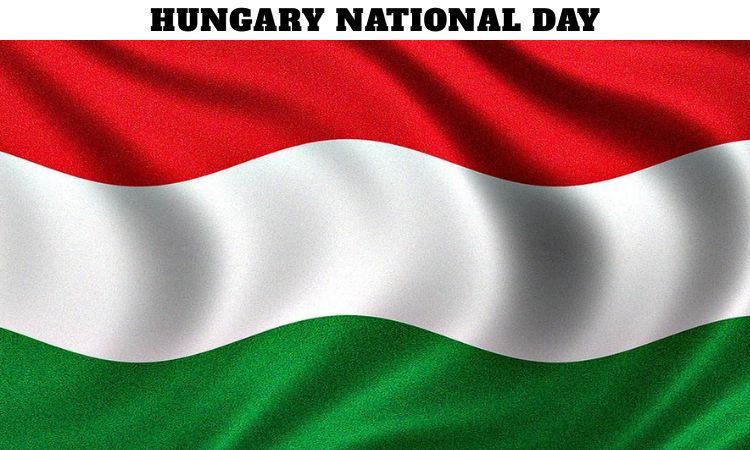
What Is Hungary National Day and When Is It Celebrated?
Hungary National Day is celebrated every year on August 20 and is one of the country’s most important national holidays. Known officially as State Foundation Day, the occasion commemorates the establishment of the Hungarian state and honors Saint Stephen I, Hungary’s first king and one of the country’s most influential historical figures.
August 20 is more than a public holiday in Hungary. It represents the country’s historical roots, Christian heritage, national identity, and the continuity of Hungarian statehood. Across the country, people participate in religious ceremonies, cultural programs, concerts, festivals, and public celebrations.
The day is particularly famous for the spectacular fireworks display held over the Danube River in Budapest. Thousands of people gather along the riverbanks, bridges, and surrounding areas to watch the evening spectacle.
Hungary National Day provides an opportunity for Hungarians to remember their history while celebrating the culture and traditions that have shaped the nation over centuries.
Why Is August 20 Important to Hungary?
August 20 is significant because it is traditionally associated with the foundation of the Hungarian Christian state under King Stephen I. Stephen played a crucial role in transforming the Hungarian tribes into an organized European Christian kingdom.
Stephen became Hungary’s first king around the beginning of the 11th century. His reign was instrumental in establishing political institutions, strengthening the kingdom, and introducing Christianity as an important part of Hungarian society.
His efforts had a lasting influence on Hungary’s development. Because of this historical legacy, Saint Stephen became a central figure in Hungarian national identity.
August 20 therefore represents both the foundation of the Hungarian state and the legacy of the country’s first king. It is a day when national history, religion, culture, and modern Hungarian identity come together.
Who Was Saint Stephen I of Hungary?
Saint Stephen I was the first King of Hungary and ruled from around 1000 or 1001 until 1038. He was born as Vajk and later adopted the Christian name Stephen after being baptized.
Stephen’s reign marked a major turning point in Hungarian history. Before his rule, the Hungarian people had largely lived under a tribal political structure. Stephen worked to create a centralized Christian kingdom with institutions modeled partly on contemporary European states.
He established churches and dioceses, supported Christianity, introduced administrative reforms, and organized the kingdom into counties. His policies helped Hungary become more firmly integrated into Christian Europe.
Stephen was canonized in 1083, more than four decades after his death. His importance to Hungary has remained strong throughout the centuries.
Today, he is remembered not only as a religious figure but also as a symbol of Hungarian statehood.
How Did Hungary National Day Begin?
The origins of August 20 as an important Hungarian celebration can be traced back to the medieval period and the veneration of Saint Stephen.
After Stephen was canonized in 1083, his feast day became an important religious occasion. Over the centuries, its meaning evolved as Hungary experienced significant political and social changes.
The modern national significance of August 20 developed gradually. During different periods of Hungarian history, governments interpreted the holiday in different ways. Despite these changes, the connection between August 20 and the foundation of the Hungarian state remained strong.
In modern Hungary, the day is officially associated with State Foundation Day, while Saint Stephen remains at the heart of its historical and cultural meaning.
How Do Hungarians Celebrate August 20?
Hungarians celebrate August 20 through a combination of traditional, religious, cultural, and modern activities.
In Budapest, the capital becomes the center of many national celebrations. Events can include concerts, cultural exhibitions, public performances, food festivals, and ceremonies.
Religious services honoring Saint Stephen are also an important part of the day. One of the most famous traditions is the procession connected with the Holy Right, a relic traditionally believed to be the preserved right hand of Saint Stephen.
Families may spend the day together, visit public events, explore festivals, or simply enjoy the holiday atmosphere. Since August 20 is a public holiday, many people use the occasion to relax and participate in community celebrations.
The festivities often continue into the evening, culminating in one of the country’s best-known national spectacles.
Why Are Fireworks So Important on Hungary National Day?
The fireworks over the Danube have become one of the defining features of Hungary National Day.
The evening display is held in Budapest and can be viewed from numerous locations around the city. The Danube provides a dramatic setting, with the illuminated bridges, historic buildings, and waterfront creating a memorable backdrop.
Music and other visual effects are often incorporated into the event, turning the fireworks into a large-scale national celebration.
For many Hungarians and visitors, watching the fireworks has become an annual tradition. Large crowds gather along the river to experience the celebration together.
The display symbolizes joy, national pride, and the festive spirit associated with August 20.
What Is the Significance of the Holy Right of Saint Stephen?
The Holy Right, traditionally identified as the preserved right hand of Saint Stephen, is one of Hungary’s most important religious relics.
According to tradition, the relic has been preserved and honored for centuries. It became particularly associated with Hungarian Catholic identity and the memory of the country’s first Christian king.
On August 20, the relic is traditionally connected with a ceremonial procession in Budapest. The event gives the religious dimension of the national holiday a highly visible place in the celebrations.
For many people, the Holy Right represents Saint Stephen’s spiritual legacy and his role in establishing Christianity within the Hungarian state.
What Is the Bread of Hungary Tradition?
Food is another important part of Hungary’s August 20 celebrations. One notable tradition is the Bread of Hungary, which highlights the importance of bread in Hungarian culture and agriculture.
Bread has long held cultural significance in Hungary because wheat and grain production have been closely connected with rural life and the country’s agricultural heritage.
Around August 20, special breads may be created and presented as part of national celebrations. These traditions connect the modern holiday with the agricultural cycle and the historical importance of harvests.
The celebration of bread also reflects ideas of community, abundance, hard work, and gratitude.
What Is the National Cake of Hungary?
Another popular tradition associated with August 20 is the selection of the Cake of Hungary. Each year, Hungarian pastry chefs compete with specially created cakes, and a winning creation becomes part of the country’s national August 20 celebrations.
The tradition provides an opportunity for Hungarian pastry makers to showcase creativity and local ingredients.
The selected cake often receives considerable public attention, with people across the country looking forward to trying it. The tradition has become an enjoyable modern addition to the national holiday.
It also demonstrates how Hungary combines historical traditions with contemporary culinary culture.
How Does Hungary National Day Reflect Hungarian Culture?
Hungary National Day reflects many different aspects of Hungarian culture. It connects history, religion, food, music, art, architecture, and community traditions.
Saint Stephen represents the country’s medieval foundation, while modern festivals and concerts showcase contemporary Hungarian culture. Traditional foods and bread connect the celebration to agriculture and everyday life.
Budapest’s historic environment also plays an important role. The Danube, Parliament Building, bridges, churches, and historic districts provide a distinctive setting for national celebrations.
The holiday demonstrates that national identity is not based solely on historical events. It also develops through traditions that people continue to share from one generation to another.
Is Hungary National Day a Public Holiday?
Yes, August 20 is a public holiday in Hungary. Government offices, schools, banks, and many businesses generally observe the holiday, although restaurants, tourist attractions, shops, and entertainment venues may operate according to special holiday schedules.
Because it is a national holiday, many Hungarians have the opportunity to spend the day with family and friends or attend public events.
The holiday is also an important date for tourism because Budapest and other Hungarian cities often host cultural and entertainment programs around this time.
What Can Visitors Experience in Budapest on August 20?
Visitors to Budapest during Hungary National Day can experience a wide range of activities.
The city may host open-air concerts, cultural performances, food events, exhibitions, traditional demonstrations, and family-oriented programs. Historic areas can become particularly lively as residents and tourists gather for the celebrations.
The Danube waterfront is especially popular in the evening because of the fireworks.
Visitors interested in Hungarian history can also explore landmarks connected with the country’s national heritage. Churches, museums, historic buildings, and public squares offer opportunities to understand the story behind the holiday.
Anyone visiting Budapest during the celebration should expect large crowds, especially around major event locations.
What Foods Are Associated With Hungary National Day?
Hungarian cuisine is an important part of national celebrations. Traditional foods enjoyed around the holiday can include dishes such as goulash, stuffed cabbage, chicken paprikash, lángos, and various pastries.
Bread has a particularly strong connection with August 20 because of the Bread of Hungary tradition.
Hungarian desserts and cakes are also popular during the celebrations. The national cake tradition gives pastry a special place in the holiday calendar.
Food festivals and public events may provide opportunities to sample regional Hungarian dishes, allowing visitors to experience the country’s culinary diversity while participating in the national festivities.
What Does Hungary National Day Mean to Hungarians Today?
For Hungarians, August 20 is a day of national remembrance, celebration, and cultural pride.
It honors the historical foundation of the Hungarian state while remembering Saint Stephen’s contribution to the country’s development. At the same time, it is a modern public celebration filled with entertainment, food, music, and community activities.
The holiday also provides an opportunity to reflect on Hungary’s long history. The country has experienced political changes, conflicts, social transformations, and cultural developments over many centuries, yet August 20 remains a powerful symbol of continuity.
For younger generations, the holiday can be an opportunity to learn about Hungarian history while enjoying contemporary celebrations.
How Is Hungary National Day Different From Other National Holidays?
Hungary has several important national and commemorative days, but August 20 has a distinctive character because it celebrates the foundation of the Hungarian state.
Other important dates may commemorate revolutions, historical struggles, or political events. August 20, however, is strongly connected with the origins of Hungarian statehood and Saint Stephen.
Its combination of religious traditions, historical remembrance, cultural events, food traditions, and spectacular fireworks makes it particularly distinctive.
What Are Some Interesting Facts About Hungary National Day?
One interesting fact is that August 20 has been associated with Saint Stephen for centuries. Another is that the holiday has carried different interpretations during different periods of Hungarian history.
The day is also famous internationally because of Budapest’s spectacular Danube fireworks.
The Holy Right of Saint Stephen is another unique feature of the celebrations. Meanwhile, the Bread of Hungary and National Cake traditions demonstrate how the holiday continues to evolve.
August 20 therefore combines medieval history with modern national celebrations, making it one of the most recognizable dates on Hungary’s calendar.
Why Should People Learn About Hungary National Day?
Learning about Hungary National Day provides insight into the country’s history, culture, and national identity.
The story of Saint Stephen helps explain how Hungary developed as a Christian European kingdom. The traditions surrounding August 20 show how historical events can continue to influence modern society.
For international audiences, the holiday is also an opportunity to discover Hungarian architecture, cuisine, music, religious traditions, and cultural heritage.
Understanding national holidays can make it easier to appreciate the unique experiences and traditions of different countries.
Hungary National Day is ultimately a celebration of continuity. It remembers the country’s historical foundations while bringing people together through modern cultural and national celebrations.
Frequently Asked Questions (FAQs)
1. When is Hungary National Day celebrated?
Hungary National Day is celebrated every year on August 20.
2. What is Hungary National Day called?
August 20 is officially associated with State Foundation Day and is traditionally known as Saint Stephen’s Day in honor of Hungary’s first king.
3. Why does Hungary celebrate August 20?
August 20 commemorates the foundation of the Hungarian state under Saint Stephen I and honors his role in establishing Hungary as a Christian kingdom.
4. Who was Saint Stephen of Hungary?
Saint Stephen I was Hungary’s first king and ruled around the beginning of the 11th century. He played a major role in organizing the Hungarian state and promoting Christianity.
5. Is August 20 a public holiday in Hungary?
Yes. August 20 is a national public holiday in Hungary.
6. What happens in Budapest on August 20?
Budapest hosts numerous celebrations, including cultural events, concerts, food programs, ceremonies, and a major fireworks display over the Danube.
7. What are the August 20 fireworks?
The August 20 fireworks are a major national celebration held over the Danube in Budapest. They attract large crowds and are among the best-known features of the holiday.
8. What is the Holy Right?
The Holy Right is a religious relic traditionally identified as the preserved right hand of Saint Stephen. It is associated with religious ceremonies held around August 20.
9. What food traditions are associated with Hungary National Day?
Bread and cake have particularly strong connections with the holiday. The Bread of Hungary and National Cake traditions are among the popular culinary customs associated with August 20.
10. What does Hungary National Day symbolize?
Hungary National Day symbolizes Hungarian statehood, national identity, historical continuity, cultural heritage, and the legacy of Saint Stephen I.