

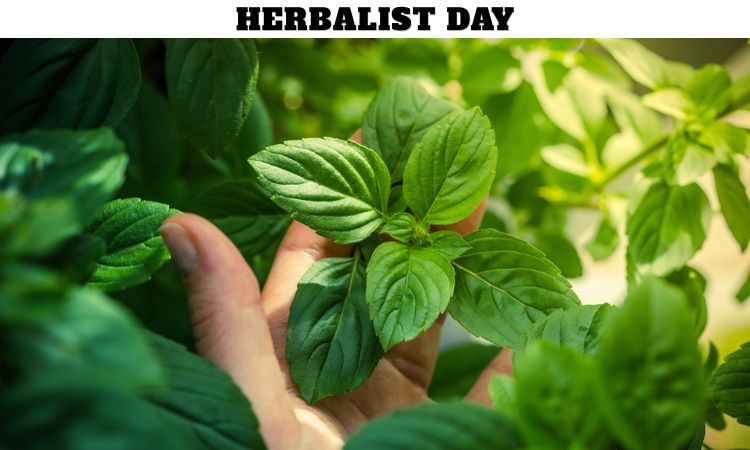
What Is Herbalist Day and Why Is It Celebrated on April 17?
Herbalist Day, observed annually on April 17, is dedicated to recognizing the invaluable contributions of herbalists and the enduring significance of plant-based medicine in human health. This day celebrates the ancient and evolving practice of using herbs for healing, prevention, and overall well-being. We acknowledge the role herbalists play in preserving traditional knowledge while integrating it with modern wellness practices.
Herbalist Day also raises awareness about the importance of natural remedies, sustainable living, and the connection between humans and nature. It encourages individuals to explore holistic approaches to health that have been practiced for centuries across cultures worldwide.
Who Is a Herbalist and What Do They Do?
A herbalist is a practitioner who uses plants and plant extracts to promote healing and maintain health. Herbalists possess deep knowledge of botany, the medicinal properties of herbs, and natural therapies. We recognize that herbalists:
- Identify and cultivate medicinal plants
- Prepare herbal formulations such as teas, tinctures, and salves
- Recommend natural remedies for various health conditions
- Promote preventive healthcare through lifestyle and dietary changes
Their work blends science and tradition, making them essential contributors to the growing field of holistic medicine.
How Did Herbal Medicine Originate and Evolve?
Herbal medicine is one of the oldest forms of healthcare, with roots tracing back thousands of years. Ancient civilizations such as those in China, India, Egypt, and Greece relied heavily on herbal treatments for healing.
Over time, herbal medicine evolved into structured systems like:
- Ayurveda, which emphasizes balance between mind, body, and spirit
- Traditional Chinese Medicine (TCM) focuses on energy flow and harmony
- Western herbalism, which integrates traditional European practices
Today, we see a resurgence in herbal medicine as people seek natural, sustainable alternatives to synthetic drugs.
Why Is Herbal Medicine Gaining Popularity in Modern Times?
In recent years, there has been a growing shift toward natural wellness solutions. Herbal medicine is gaining popularity due to:
- Increased awareness of side effects associated with synthetic drugs
- Demand for organic and plant-based products
- Rising interest in preventive healthcare and holistic living
- Accessibility of herbal remedies and information
We observe that individuals are increasingly choosing herbal options for managing stress, improving immunity, and enhancing overall health.
What Are the Most Common Herbs Used by Herbalists?
Herbalists utilize a wide range of plants known for their therapeutic properties. Some of the most commonly used herbs include:
- Turmeric – Known for its anti-inflammatory and antioxidant benefits
- Ginger – Used for digestion and nausea relief
- Ashwagandha – Supports stress management and vitality
- Chamomile – Promotes relaxation and better sleep
- Tulsi (Holy Basil) – Enhances immunity and respiratory health
Each herb offers unique benefits, making herbal medicine a diverse and adaptable healing system.
How Do Herbalists Prepare Herbal Remedies?
Herbal remedies are prepared in various forms depending on their intended use and potency. We commonly see:
Teas and Infusions
Prepared by steeping herbs in hot water, ideal for mild therapeutic effects.
Tinctures
Concentrated extracts made using alcohol or glycerin, offer a longer shelf life.
Capsules and Powders
Convenient forms for daily consumption and precise dosage.
Ointments and Salves
Topical applications used for skin conditions and wound healing.
These preparations ensure that the active compounds in herbs are effectively utilized.
What Are the Benefits of Practicing Herbal Medicine?
Herbal medicine offers numerous advantages, making it a preferred choice for many:
- Natural and holistic healing approach
- Fewer side effects when used correctly
- Supports long-term wellness and prevention
- Promotes a deeper connection with nature
- Encourages sustainable and eco-friendly practices
We emphasize that herbal medicine complements modern healthcare rather than replacing it, providing a balanced approach to wellness.
How Can Individuals Celebrate Herbalist Day?
Herbalist Day provides an opportunity to engage with nature and learn about plant-based healing. We suggest:
- Exploring local herbal gardens or nurseries
- Preparing simple herbal teas at home
- Attending workshops or webinars on herbal medicine
- Supporting local herbalists and organic product brands
- Learning about traditional healing systems
These activities foster appreciation for the power of natural remedies and encourage healthier lifestyles.
What Role Does Herbalism Play in Sustainable Living?
Herbalism aligns closely with the principles of sustainability and environmental responsibility. By relying on natural resources, herbal practices:
- Reduce dependence on synthetic chemicals
- Encourage organic farming and biodiversity
- Promote conservation of medicinal plants
- Support eco-friendly healthcare solutions
We view herbalism as a vital component of a sustainable future, bridging the gap between health and environmental stewardship.
What Is the Future of Herbal Medicine and Herbalists?
The future of herbal medicine looks promising as global interest continues to grow. Advancements in research and technology are helping validate traditional practices, leading to:
- Increased integration with modern medicine
- Development of standardized herbal products
- Greater acceptance in mainstream healthcare systems
- Expansion of educational programs in herbal studies
We anticipate that herbalists will play an increasingly important role in shaping the future of integrative healthcare.
Frequently Asked Questions (FAQs)
1. What is Herbalist Day?
Herbalist Day is celebrated on April 17 to honor herbalists and the practice of plant-based medicine.
2. Why is Herbalist Day important?
It raises awareness about natural healing and the importance of traditional medicinal knowledge.
3. Who can become a herbalist?
Anyone with training in herbal medicine and knowledge of medicinal plants can become a herbalist.
4. Are herbal remedies safe?
When used correctly and under guidance, herbal remedies are generally safe, though professional advice is recommended.
5. What is the difference between herbal medicine and modern medicine?
Herbal medicine uses natural plant-based remedies, while modern medicine often relies on synthetic drugs.
6. Can herbal medicine treat all diseases?
Herbal medicine supports health and may help manage conditions, but it should not replace medical treatment for serious illnesses.
7. How can beginners start learning about herbalism?
They can read books, attend workshops, and consult experienced herbalists.
8. What are the most popular herbal remedies?
Turmeric, ginger, chamomile, and ashwagandha are widely used herbal remedies.
9. Is herbal medicine scientifically proven?
Many herbs have scientific backing, but research is ongoing for several traditional remedies.
10. How is Herbalist Day celebrated?
People celebrate by learning about herbs, using natural remedies, and supporting herbal practitioners.