

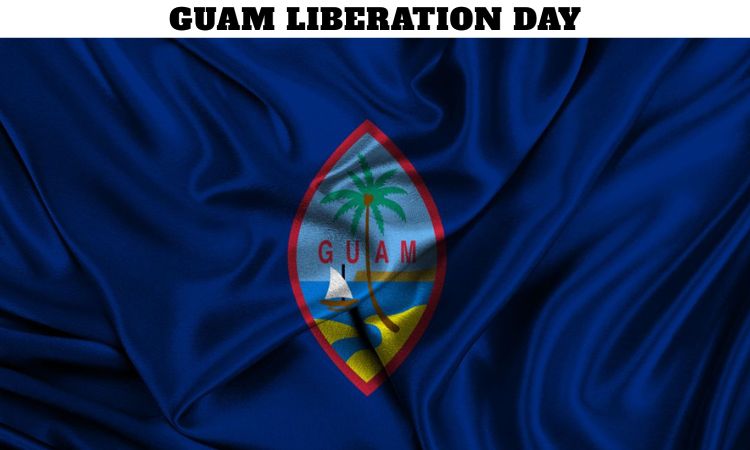
Guam Liberation Day, observed every year on July 21, is one of the most significant public holidays in Guam. It commemorates the liberation of the island from Japanese occupation during World War II by American forces on July 21, 1944. The day represents freedom, courage, sacrifice, and resilience, honoring the thousands of soldiers and civilians who endured immense hardship during the war. Across Guam, communities gather to celebrate with patriotic ceremonies, parades, cultural performances, memorial services, and family events that preserve the island’s unique history and recognize the enduring relationship between Guam and the United States.
For the people of Guam, Liberation Day is more than a historical anniversary. It serves as a reminder of survival, hope, and unity after years of suffering under wartime occupation. Every generation participates in the celebrations to ensure that the stories of bravery and perseverance continue to inspire future generations.
Why Is Guam Liberation Day Celebrated on July 21?
Guam Liberation Day is celebrated on July 21 because this marks the day in 1944 when United States military forces landed on Guam to begin the operation that ultimately freed the island from Japanese control. Japanese forces had occupied Guam since December 1941, shortly after the attack on Pearl Harbor.
For nearly three years, the people of Guam lived under strict military occupation. Many residents experienced forced labor, food shortages, imprisonment, and violence. The arrival of American troops brought hope to the island and eventually restored freedom after intense fighting.
The successful liberation became one of the most important military victories in the Pacific Theater during World War II. Since then, July 21 has been observed annually as a public holiday dedicated to honoring both military personnel and the Chamorro people who endured the occupation.
How Did World War II Change Guam Forever?
World War II profoundly transformed Guam’s history, culture, and identity. Before the war, Guam was already a strategic American territory in the Pacific. However, its location also made it a key military objective for Japan.
Following the invasion in December 1941, Guam remained under Japanese occupation until July 1944. During this period, many families were separated, villages were destroyed, and countless civilians suffered severe hardships. Schools, businesses, and normal community life were disrupted.
The liberation campaign involved fierce battles between American and Japanese forces. Although victory came at a tremendous cost, it restored freedom to the island and paved the way for Guam’s reconstruction. The post-war years brought significant infrastructure development, economic growth, and an expanded military presence that continues today.
The legacy of World War II remains deeply woven into Guam’s identity, making Liberation Day both a celebration and a solemn remembrance.
What Happened During the Liberation of Guam in 1944?
The liberation of Guam began with large-scale amphibious landings by American forces on July 21, 1944. Thousands of U.S. Marines and Army soldiers arrived on Guam’s western beaches to launch an operation aimed at reclaiming the island.
The campaign lasted several weeks as American troops fought through difficult terrain against determined Japanese defenders. Dense jungles, rugged mountains, and fortified positions made the battle extremely challenging.
By August 10, 1944, organized Japanese resistance had effectively ended, and Guam was once again under American control. The victory provided the United States with an important strategic base for later military operations throughout the Pacific.
Today, military memorials across Guam honor the courage of the soldiers who fought in these battles while also recognizing the sacrifices made by local civilians.
Why Is Guam Liberation Day Important to the Chamorro People?
For the Chamorro people, Guam Liberation Day holds profound emotional and cultural importance. The Chamorro community experienced enormous hardship during the Japanese occupation, including forced relocations, labor, imprisonment, and loss of life.
Liberation Day acknowledges their resilience and celebrates the survival of Chamorro traditions, language, and culture despite wartime adversity. Families often share personal stories passed down through generations about relatives who lived through the occupation.
The holiday strengthens cultural identity while honoring elders whose experiences shaped modern Guam. It also reminds younger generations of the importance of preserving peace, protecting freedom, and remembering history.
How Is Guam Liberation Day Celebrated Today?
Modern Liberation Day celebrations combine patriotic traditions with cultural festivities that bring communities together. The holiday typically features one of the largest annual celebrations on the island.
The most recognizable event is the Liberation Day Parade, where colorful floats, marching bands, military units, veterans, schools, businesses, and community organizations participate. Thousands of spectators line the streets to watch the procession.
Government officials deliver speeches recognizing the historical significance of the day, while military ceremonies honor veterans and active-duty service members. Memorial services are held to remember those who lost their lives during World War II.
Families enjoy festivals featuring traditional Chamorro cuisine, live music, dance performances, local crafts, carnival rides, sporting events, and fireworks displays. The celebrations often continue for several days, creating an atmosphere of community pride and cultural appreciation.
What Traditions Make Guam Liberation Day Unique?
Several traditions distinguish Guam Liberation Day from other patriotic holidays. One of the most beloved customs is the elaborate parade featuring creatively designed floats representing villages, schools, government agencies, and businesses.
Veterans receive special recognition throughout the celebrations, reflecting the island’s deep appreciation for military service. Historical reenactments, educational exhibits, and museum programs help visitors understand Guam’s wartime experience.
Traditional Chamorro music, dance, and food also play a major role. Dishes such as kelaguen, red rice, barbecue, coconut desserts, and seafood are commonly enjoyed during community gatherings.
Many families attend church services before participating in public celebrations, combining faith with remembrance and gratitude.
What Are Some Interesting Facts About Guam Liberation Day?
- Guam Liberation Day is celebrated every year on July 21 and is recognized as an official public holiday throughout Guam.
- The liberation of Guam was one of the largest amphibious operations conducted in the Pacific during World War II.
- The annual Liberation Day Parade attracts thousands of participants and spectators, making it one of Guam’s largest public events.
- The holiday honors both American military personnel and the Chamorro civilians who suffered during Japanese occupation.
- Many wartime sites, memorials, museums, and historical landmarks across Guam remain preserved for educational purposes.
- Liberation festivities often include weeks of community events leading up to July 21.
- Guam’s strategic location made it one of the most valuable military positions in the Pacific during World War II.
- The island continues to maintain a strong relationship with the U.S. military while preserving its unique Chamorro heritage.
- How Does Guam Preserve the Memory of Liberation?
Guam actively preserves its wartime history through museums, memorial parks, educational programs, historical markers, and annual commemorative ceremonies. Schools teach students about the occupation and liberation, ensuring that future generations understand the sacrifices that secured the island’s freedom.
Veterans frequently participate in public events by sharing personal experiences, while local historians document survivor stories that might otherwise be forgotten. Preservation projects protect battlefields, monuments, and military installations that played important roles during World War II.
These efforts allow both residents and visitors to appreciate Guam’s remarkable journey from occupation to freedom.
Why Does Guam Liberation Day Continue to Matter Today?
Guam Liberation Day remains highly relevant because it reminds us that freedom often comes at an enormous cost. The holiday honors those who defended democracy while recognizing the resilience of civilians who endured extraordinary hardships.
In today’s world, Liberation Day promotes historical awareness, cultural pride, national unity, and respect for military service. It encourages communities to value peace while remembering the lessons of history.
As Guam continues to grow and evolve, July 21 serves as a powerful reminder that courage, perseverance, and hope can overcome even the darkest periods. The annual celebration unites generations through remembrance, gratitude, and optimism for the future, ensuring that the legacy of liberation remains an enduring part of Guam’s identity.
Frequently Asked Questions (FAQs)
1. What is Guam Liberation Day?
Guam Liberation Day is a public holiday observed on July 21 to commemorate the liberation of Guam from Japanese occupation in 1944 during World War II.
2. Why is Guam Liberation Day celebrated on July 21?
It marks the day American forces landed on Guam in 1944 to begin the military operation that freed the island.
3. Is Guam Liberation Day a public holiday?
Yes. Government offices, many businesses, and schools observe it as an official public holiday in Guam.
4. How long was Guam occupied during World War II?
Guam was occupied by Japanese forces from December 1941 until July 1944.
5. How do people celebrate Guam Liberation Day?
People celebrate with parades, memorial ceremonies, cultural festivals, concerts, family gatherings, fireworks, and military tributes.
6. Who are the Chamorro people?
The Chamorro people are the indigenous inhabitants of Guam and the Northern Mariana Islands.
7. Why is Guam strategically important?
Its location in the western Pacific makes Guam an important military and transportation hub.
8. What is the largest event during Liberation Day?
The annual Liberation Day Parade is the biggest and most anticipated event.
9. What foods are commonly enjoyed during the celebration?
Traditional Chamorro dishes such as red rice, kelaguen, barbecue, seafood, and coconut-based desserts are popular.
10. Why is Guam Liberation Day still important today?
It honors the sacrifices made during World War II while promoting freedom, unity, remembrance, and cultural heritage.