

What Is Gabon Independence Day and Why Is It Celebrated on August 17?
Gabon Independence Day is celebrated every year on August 17 to commemorate the country’s independence from France in 1960. It is one of the most important national occasions in Gabon, bringing together people across the country to celebrate national identity, culture, history, and independence.
Gabon, officially known as the Gabonese Republic, is located on the west coast of Central Africa. It is bordered by Equatorial Guinea, Cameroon, and the Republic of the Congo, while the Atlantic Ocean lies along its western side. Known for its rainforests, diverse wildlife, and rich cultural heritage, Gabon has an important place in Central African history.
August 17 represents a major turning point in Gabon’s history. Before independence, Gabon was part of the French colonial system. In 1960, a wave of African independence movements transformed the political map of the continent. Gabon became an independent nation on August 17 of that year.
The date is therefore more than a historical anniversary. It is a day when Gabonese people reflect on their country’s journey, honor national heritage, and look toward the future.
When Did Gabon Gain Independence?
Gabon gained independence from France on August 17, 1960. The country became independent during a remarkable period in African history when many former European colonies were becoming sovereign states.
The year 1960 is often remembered as a major year of African independence. Several countries achieved independence around this time as colonial administrations gave way to self-government and national political institutions.
For Gabon, independence marked the beginning of a new chapter. Instead of being governed as a French colony, the country could establish its own political institutions and determine its own national priorities.
Gabon had developed political institutions during the years leading up to independence, and local political leaders played important roles in the transition toward self-government.
The United States established diplomatic relations with Gabon in 1960 following its independence from France.
What Was Gabon Like Before Independence?
Before independence, Gabon was under French colonial rule. French influence in the region expanded during the late nineteenth century, and Gabon eventually became part of French Equatorial Africa.
Colonial rule significantly influenced Gabon’s political, economic, educational, and administrative systems. French became an important language of administration and remains the official language of Gabon today.
The colonial period also affected the country’s economy. Natural resources became increasingly important, while infrastructure and administrative centers developed around colonial interests.
However, colonial history was also marked by unequal political and economic relationships. Local communities experienced restrictions and exploitation, as occurred in many parts of colonial Africa.
Over time, political awareness increased among Gabonese people. Local leaders and political organizations increasingly sought greater representation and autonomy.
The broader movement toward African self-government eventually contributed to Gabon’s independence in 1960.
How Did Gabon Move Toward Independence?
Gabon did not become independent in isolation. Its transition was part of a much larger political transformation taking place across Africa.
After World War II, demands for political rights and self-government became stronger throughout French Africa. France gradually introduced reforms that gave African territories greater participation in government.
Political leaders in Gabon became increasingly involved in negotiations over the country’s future. As France’s colonial system began to change, Gabon moved toward greater internal self-government and eventually full independence.
The process was influenced by both local political developments and France’s changing approach to its African territories.
By 1960, the political environment had changed dramatically. Gabon was ready to establish itself as a sovereign state, and August 17 became the symbolic date marking that transition.
Who Became Gabon’s First President?
Leon M’ba became Gabon’s first president after independence. He was one of the most important political figures in the country’s early post-independence history.
M’ba had already played a major role in Gabon’s political development before independence. His leadership continued as the country established itself as a new republic.
His presidency was an important part of the early period of Gabon’s independence. During these years, Gabon had to develop its institutions, manage relationships with former colonial powers, and establish its position within Africa and the international community.
The first years of independence were therefore about much more than simply ending colonial rule. They involved building a functioning state and defining what independence would mean in practical terms.
Why Is August 17 Important to Gabonese People?
August 17 is important because it represents sovereignty and national identity.
Independence gave Gabon the opportunity to govern itself and make decisions as a sovereign nation. The date reminds people of the country’s transition from colonial administration to independence.
National holidays often serve as moments of collective remembrance, and Gabon Independence Day has a similar purpose. It provides an opportunity to remember the country’s historical journey while celebrating its cultural identity.
For younger generations, the day can also serve as an educational reminder of the struggles and political developments that shaped modern Gabon.
Independence Day is therefore both a historical celebration and an expression of national pride.
How Is Gabon Independence Day Celebrated?
Gabon Independence Day is celebrated through public events, cultural activities, ceremonies, music, dancing, and community gatherings.
Official ceremonies are an important part of the occasion. Government representatives, public officials, community leaders, and citizens participate in events marking the anniversary of independence.
Parades and public performances may form part of national celebrations. Traditional music and dance are also important because they highlight the country’s cultural diversity.
Families and communities often use the holiday as an opportunity to spend time together. Festive meals, social gatherings, music, and cultural activities can make the occasion a lively national celebration.
The exact form of celebrations can vary from year to year and from one part of the country to another.
What Role Does Gabonese Culture Play in Independence Day?
Culture is an important part of national celebrations in Gabon. The country is home to numerous ethnic communities, each contributing to its rich cultural heritage.
Traditional music, dance, clothing, crafts, storytelling, and food can all be incorporated into celebrations.
Cultural performances are particularly meaningful because they connect modern Gabon with its historical roots. Independence is not only about political sovereignty; it is also connected to the preservation and expression of national identity.
Traditional ceremonies and artistic performances can introduce younger generations to cultural practices that have been passed down through families and communities.
This makes Independence Day an opportunity to celebrate both Gabon’s political history and its cultural diversity.
What Does the Gabonese Flag Represent?
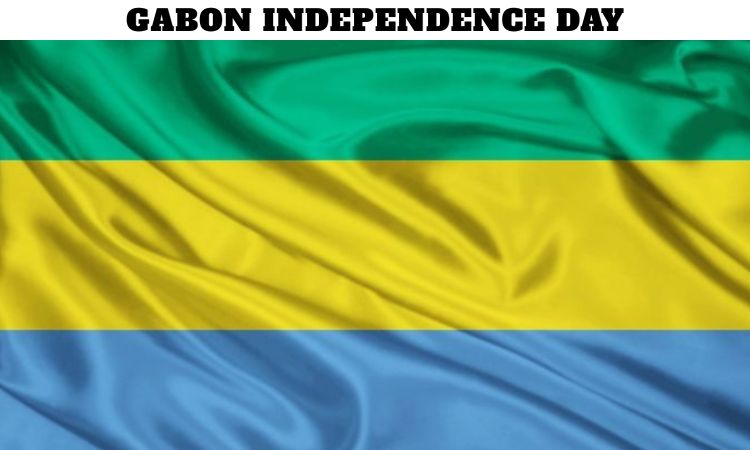
The national flag of Gabon consists of three horizontal stripes: green, yellow, and blue.
Green represents the country’s forests and natural resources. This is especially appropriate because Gabon is known for its extensive tropical rainforest and remarkable biodiversity.
Yellow represents the country’s location around the equator and is also associated with the sun and natural wealth.
Blue represents the Atlantic Ocean, which borders Gabon to the west.
Together, the colors create a visual representation of Gabon’s geography and natural identity. The flag is an important national symbol and is commonly displayed during Independence Day celebrations.
Why Is Gabon’s Natural Heritage Important on Independence Day?
Gabon is internationally recognized for its forests, wildlife, and biodiversity. Much of the country is covered by tropical rainforest, making environmental protection an important national issue.
Gabon has populations of elephants, gorillas, chimpanzees, and numerous other species. Its forests also play an important role in regulating the climate and supporting local communities.
Independence Day provides an opportunity to think about the country’s future, including how its natural resources can be protected while supporting economic development.
For many people, national pride is closely connected with the country’s unique natural environment. Protecting forests and wildlife can therefore be viewed as part of protecting Gabon’s national heritage.
How Has Gabon Developed Since Independence?
Since gaining independence in 1960, Gabon has experienced significant political, economic, and social changes.
The country has benefited from valuable natural resources, particularly petroleum. Oil has played a major role in Gabon’s economy and has contributed to infrastructure development and government revenue.
At the same time, Gabon has faced the challenges common to resource-dependent economies, including the need to diversify economic activity and create broader opportunities for its population.
Education, healthcare, infrastructure, environmental protection, and economic diversification have remained important areas of national development.
Gabon has also developed relationships with countries and international organizations around the world. Its independence allowed it to participate directly in international affairs as a sovereign state.
Why Should People Learn About Gabon Independence Day?
Learning about Gabon Independence Day provides a better understanding of African history and the global process of decolonization.
The story of Gabon’s independence demonstrates how political systems can change and how nations develop their identities after colonial rule.
It also helps highlight the diversity of African experiences. Although many African countries gained independence around the same period, each country had its own political history, cultural traditions, economic circumstances, and national challenges.
Gabon Independence Day is therefore useful not only as a national celebration but also as an opportunity to understand the broader history of modern Africa.
How Can People Celebrate Gabon Independence Day?
People outside Gabon can recognize the occasion by learning about Gabon’s history, geography, culture, and achievements.
They can explore Gabonese music and traditional arts, learn about the country’s national symbols, or read about its independence movement.
Schools and educational organizations can use August 17 as an opportunity to teach students about African independence and the history of Central Africa.
People can also learn about Gabon’s remarkable biodiversity and the importance of protecting its forests and wildlife.
For Gabonese communities living abroad, Independence Day can be an especially meaningful opportunity to celebrate cultural heritage and maintain connections with their homeland.
What Makes Gabon Independence Day Significant Today?
Gabon Independence Day continues to represent the country’s sovereignty and national identity.
Every August 17, Gabon looks back at the historic moment when it became independent from France. At the same time, the occasion encourages people to think about the country’s future.
National independence is not simply a historical event. It is an ongoing process of building institutions, strengthening communities, protecting cultural traditions, improving living standards, and managing natural resources responsibly.
For Gabon, the celebration combines history, culture, patriotism, and hopes for continued national development.
As the country moves forward, August 17 remains a reminder of the importance of independence and the responsibility that comes with sovereignty.
Frequently Asked Questions (FAQs)
1. When is Gabon Independence Day celebrated?
Gabon Independence Day is celebrated every year on August 17.
2. When did Gabon gain independence?
Gabon gained independence from France on August 17, 1960.
3. Who was Gabon’s first president?
Leon M’ba became Gabon’s first president after independence.
4. Why is Gabon Independence Day important?
It commemorates Gabon’s independence from French colonial rule and celebrates the country’s sovereignty, culture, and national identity.
5. How is Gabon Independence Day celebrated?
The day can include official ceremonies, public gatherings, cultural performances, music, dancing, parades, and community celebrations.
6. What are the colors of the Gabonese flag?
The Gabonese flag has three horizontal colors: green, yellow, and blue.
7. What does the green color on Gabon’s flag represent?
Green represents Gabon’s forests and natural resources.
8. What does August 17 represent in Gabon?
August 17 represents the country’s independence from France in 1960 and is one of Gabon’s most important national days.
9. What language is widely used in Gabon?
French is the official language of Gabon, while numerous local languages are also spoken throughout the country.
10. Why should people learn about Gabon Independence Day?
Learning about the day helps people understand Gabon’s history, African decolonization, national identity, cultural heritage, and development.