

Why Is Eat Flexitarian Day Celebrated on June 8?
Eat Flexitarian Day, observed on June 8, promotes a flexible approach to healthy eating that encourages people to consume more plant-based foods while still allowing occasional consumption of meat and other animal products. Unlike strict vegetarian or vegan diets, the flexitarian lifestyle focuses on balance, moderation, and making healthier food choices without requiring complete dietary restrictions.
The observance highlights the growing popularity of plant-forward eating habits and encourages individuals to explore the benefits of incorporating more fruits, vegetables, legumes, whole grains, nuts, and seeds into their daily meals. Eat Flexitarian Day serves as a reminder that even small dietary changes can contribute to better personal health and a more sustainable food system.
As awareness of nutrition, environmental sustainability, and wellness continues to grow, many people are looking for realistic dietary approaches that fit their lifestyles. The flexitarian diet has emerged as a practical solution because it offers flexibility while promoting healthier eating habits. June 8 provides an opportunity to learn about this balanced approach and discover how simple adjustments can make a positive impact.
What Does the Term Flexitarian Mean?
The word “flexitarian” combines the words “flexible” and “vegetarian.” It describes a dietary pattern that primarily emphasizes plant-based foods while allowing occasional consumption of meat, poultry, fish, dairy products, and eggs.
Unlike vegetarianism, which excludes meat entirely, flexitarian eating does not impose strict rules. Instead, it encourages people to gradually reduce their intake of animal products and increase their consumption of nutrient-rich plant foods.
The flexitarian approach appeals to individuals who want to enjoy the benefits of plant-based eating without completely giving up their favorite animal-based foods. It offers a middle ground between traditional omnivorous diets and fully vegetarian lifestyles.
This flexibility makes the diet accessible to a broad range of people and contributes to its growing popularity worldwide.
What Is the History Behind Eat Flexitarian Day?
Eat Flexitarian Day was created to raise awareness about the advantages of a flexitarian lifestyle and encourage people to make more mindful food choices. The observance aligns with broader efforts to promote healthy eating habits and sustainable food consumption.
The concept of flexitarianism gained significant attention during the early twenty-first century as nutrition experts began highlighting the health benefits of plant-based diets. Researchers found that diets rich in vegetables, fruits, legumes, and whole grains were associated with improved health outcomes and lower risks of certain chronic diseases.
At the same time, concerns about environmental sustainability and food production practices led many consumers to reconsider their dietary choices. Flexitarian eating emerged as a practical and achievable solution for individuals seeking healthier and more environmentally conscious lifestyles.
Eat Flexitarian Day celebrates these principles by encouraging people to explore plant-based meals and adopt balanced eating habits that support both personal and planetary well-being.
Why Is the Flexitarian Diet Becoming So Popular?
The flexitarian diet has gained popularity because it offers a realistic and sustainable approach to healthy eating. Many people find strict diets difficult to maintain over the long term, but the flexibility of this eating pattern makes it easier to follow.
One of the primary reasons for its popularity is that it focuses on adding nutritious foods rather than eliminating entire food groups. Individuals are encouraged to enjoy more vegetables, fruits, legumes, and whole grains while reducing their reliance on heavily processed foods.
The diet also accommodates social situations, cultural traditions, and personal preferences. People can still enjoy meat on special occasions or when desired without feeling restricted.
Additionally, growing awareness of environmental issues has prompted consumers to seek ways to reduce their ecological footprint. Eating more plant-based meals is often viewed as a practical step toward supporting sustainability while maintaining dietary flexibility.
What Are the Health Benefits of a Flexitarian Lifestyle?
One of the main reasons people adopt a flexitarian diet is its potential health benefits. A diet rich in plant-based foods provides essential nutrients, vitamins, minerals, fiber, and antioxidants that support overall wellness.
Increased consumption of fruits and vegetables can contribute to better heart health by helping maintain healthy blood pressure and cholesterol levels. Whole grains and legumes provide fiber that supports digestive health and promotes feelings of fullness.
Plant-based foods are generally lower in saturated fat than many animal products, which may support cardiovascular health when incorporated into a balanced diet.
Many individuals also find that focusing on nutrient-dense foods helps them maintain a healthy weight. Since the flexitarian diet encourages moderation rather than restriction, it may be easier to sustain long-term compared to more rigid eating plans.
The emphasis on variety and balance ensures that individuals can enjoy a wide range of foods while supporting their nutritional needs.
How Does Flexitarian Eating Support Environmental Sustainability?
Eat Flexitarian Day also highlights the environmental benefits of reducing meat consumption and increasing plant-based food intake. Food production has a significant impact on natural resources, including land, water, and energy.
Plant-based foods generally require fewer resources to produce compared to many animal-based products. By incorporating more plant-focused meals into their diets, individuals may contribute to reduced resource consumption and lower greenhouse gas emissions associated with food production.
The flexitarian approach recognizes that meaningful change can occur through gradual adjustments rather than drastic lifestyle transformations. Even replacing a few meat-based meals each week with plant-based alternatives can make a positive difference.
As sustainability becomes an increasingly important global issue, many consumers appreciate the opportunity to align their dietary choices with environmental values while maintaining flexibility and personal choice.
What Foods Are Common in a Flexitarian Diet?
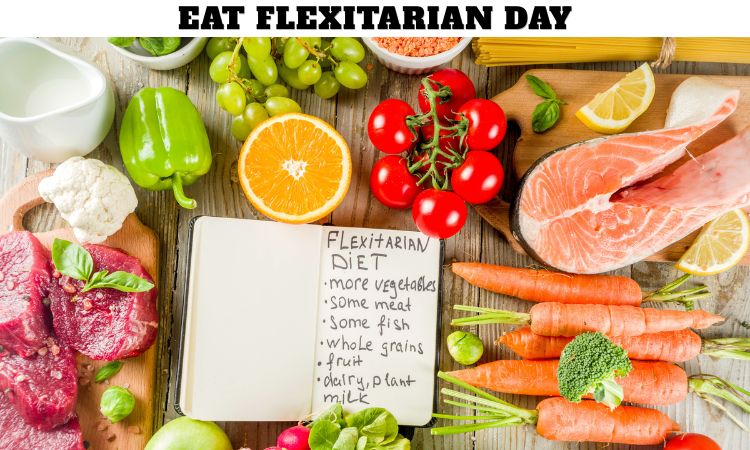
A flexitarian diet emphasizes a wide variety of nutrient-rich foods. Vegetables form the foundation of many meals and can include leafy greens, carrots, peppers, broccoli, cauliflower, and countless other options.
Fruits provide natural sweetness and essential vitamins. Popular choices include berries, apples, oranges, bananas, and seasonal produce.
Legumes such as beans, lentils, chickpeas, and peas serve as excellent sources of plant-based protein and fiber. Whole grains including brown rice, quinoa, oats, and whole wheat products contribute energy and important nutrients.
Nuts and seeds offer healthy fats, protein, and minerals. Dairy products, eggs, fish, poultry, and meat may still be included but are generally consumed in smaller quantities than in traditional diets.
The flexibility of the eating pattern allows individuals to tailor their food choices according to their preferences, nutritional needs, and cultural traditions.
How Can People Celebrate Eat Flexitarian Day?
There are many ways to participate in Eat Flexitarian Day on June 8. One of the simplest approaches is to prepare a plant-based meal featuring vegetables, legumes, and whole grains.
Individuals can challenge themselves to enjoy a meat-free day or experiment with recipes that incorporate plant-based protein sources. Trying new ingredients such as lentils, tofu, chickpeas, or quinoa can introduce exciting flavors and textures.
Families may choose to cook together and explore healthy recipes that emphasize fresh, wholesome ingredients. Restaurants and food businesses can support the observance by offering special plant-forward menu options.
Educational activities such as reading about nutrition, sustainability, and healthy eating can also help participants better understand the benefits of a flexitarian lifestyle.
Sharing meals and discussing food choices with friends and family can inspire others to consider incorporating more plant-based foods into their routines.
What Challenges Do People Face When Adopting a Flexitarian Lifestyle?
Although the flexitarian diet is generally considered accessible and flexible, some individuals may encounter challenges when making dietary changes. Habits formed over many years can take time to adjust, and finding new recipes may require experimentation.
Some people worry about obtaining enough protein from plant-based sources. However, legumes, nuts, seeds, whole grains, dairy products, and occasional animal products can help meet nutritional needs.
Others may face social or cultural expectations related to traditional eating patterns. The flexibility of the diet helps address these concerns by allowing individuals to make choices that fit their circumstances.
Planning meals in advance and learning about nutritious plant-based ingredients can make the transition easier and more enjoyable.
Why Does Eat Flexitarian Day Matter in Today’s World?
Eat Flexitarian Day reflects a growing recognition that health, nutrition, and sustainability are interconnected. The observance encourages individuals to make informed choices that benefit both personal well-being and the environment.
The day promotes a practical approach to dietary improvement that does not require perfection. By emphasizing flexibility and gradual change, it empowers people to take manageable steps toward healthier lifestyles.
As healthcare professionals and environmental experts continue to highlight the importance of balanced nutrition and sustainable consumption, the flexitarian movement offers a pathway that many people find achievable and rewarding.
Eat Flexitarian Day serves as a reminder that small choices can have meaningful impacts. Whether someone chooses one plant-based meal or adopts a long-term flexitarian lifestyle, every positive change contributes to healthier individuals and stronger communities.
Frequently Asked Questions (FAQs)
1. What is Eat Flexitarian Day?
Eat Flexitarian Day is an observance celebrated on June 8 that promotes a flexible, plant-focused approach to healthy eating.
2. What does flexitarian mean?
Flexitarian refers to a mostly vegetarian eating style that allows occasional consumption of meat and animal products.
3. When is Eat Flexitarian Day celebrated?
It is celebrated annually on June 8.
4. Is a flexitarian diet vegetarian?
No. A flexitarian diet includes some animal products but emphasizes plant-based foods.
5. What are the benefits of a flexitarian diet?
Potential benefits include improved nutrition, better heart health, weight management support, and environmental sustainability.
6. Can I eat meat on a flexitarian diet?
Yes. Meat is allowed but is typically consumed less frequently and in smaller portions.
7. What foods are commonly eaten in a flexitarian diet?
Common foods include vegetables, fruits, legumes, whole grains, nuts, seeds, and occasional animal products.
8. Is the flexitarian diet suitable for families?
Yes. Its flexibility makes it adaptable for individuals and families with diverse food preferences.
9. How can I celebrate Eat Flexitarian Day?
You can prepare plant-based meals, try new recipes, reduce meat consumption, and learn more about healthy eating.
10. Why is Eat Flexitarian Day important?
It raises awareness about balanced nutrition, sustainable food choices, and the benefits of incorporating more plant-based foods into daily life.